Category: Uncategorized

  • The 10-Year Head Start Your Kids Don’t Know They Have

    The 10-Year Head Start Your Kids Don’t Know They Have

    Kids who grow up with personalized AI tutors will arrive at 18 with a completely different foundation than kids who didn’t.


    The Reality

    There’s a quiet revolution happening in education that most parents haven’t fully grasped yet.

    Google’s NotebookLM lets you upload a stack of files and have a conversation with them. But that’s the simple version. The real shift is what happens when you combine that with personalization: explain gravity to a 10-year-old who loves soccer. Relevel a college textbook for a middle schooler. Turn a dense research paper into a podcast, an infographic, or an interactive lesson.

    Yasi Matias and his team at Google Research have been experimenting with exactly this. “Can we reimagine the textbook?” he asked. “Can we take a textbook and use AI to give it different experiences that are going to be personalized and contextualized?”

    The answer, even in these early days, is yes. Immersive experiences. Conversational learning. Sketchbook-style interaction. All adapted to the specific child, their age, their interests, their level.


    The Shift

    The Old Way: One textbook. One level. Same material for every student. The kid who’s ahead is bored. The kid who’s behind is lost. The teacher tries to serve 30 different levels at once.

    The New Reality: Every child gets a tutor that knows their level, speaks their language, and connects every concept to something they already care about. Available 24/7. Infinitely patient. And it gets better every month.

    The model where everyone learns the same thing at the same pace is 200 years old. AI is breaking it.

    Here’s what makes this urgent: kids who grow up with these tools from age five are going to arrive at 18 with a completely different intellectual foundation than kids who didn’t. That’s not a one-year gap. It’s potentially a ten-year advantage in how they think, what they know, and how quickly they can learn new things.

    As one parent noticed, kids are already expected to read before starting school now. The baseline keeps rising. And AI is about to raise it again, dramatically.

    Matias sees this as the natural evolution: “When Google made it possible for everybody to get facts, people said, ‘What about homework?’ But kids didn’t get lazy. We just expected them to go to the next level, to synthesize. With AI, we’re just going to uplevel what we expect again.”


    What To Do Next

    If you have kids, start exploring AI learning tools with them now. NotebookLM, Khan Academy’s AI tutor, and ChatGPT are all free or cheap starting points. Don’t just hand them the tool. Sit with them and show them how to ask better questions. That meta-skill, learning how to learn with AI, is the real advantage.

    If you’re reskilling yourself, the same principle applies. Stop consuming content passively. Upload what you’re studying into an AI tool and have a conversation with it. Ask it to explain concepts at your level. Quiz yourself. Get feedback. The tools that are reshaping education for kids work just as well for adults.


    The One Thing to Remember

    Every child will soon have a polymath in their pocket: a tutor that knows everything about every subject, adapts to their level, and connects ideas to what they care about. The kids who learn to use it well will have a decade-long advantage over those who don’t. And the same is true for adults who start now.


    This insight comes from “Google VP: The AI Shift Is Done and the Gap Between People Is Growing” featuring Yasi Matias, head of Google Research. The AI Shift curates wisdom from AI leaders for busy professionals navigating the AI era. How are you using AI to learn right now?

    Subscribe now

    Leave a comment

  • Cognitive Surrender Study, Copilot’s “Entertainment Only” Terms, Britain Courts Anthropic

    Cognitive Surrender Study, Copilot’s “Entertainment Only” Terms, Britain Courts Anthropic

    Good morning, a major study just put a name on something we all suspected about how people use AI, Microsoft got caught telling users not to trust the product it’s selling to every enterprise on Earth, and Britain is making a play for Anthropic while the U.S. pushes the company away. Here’s what happened 👇


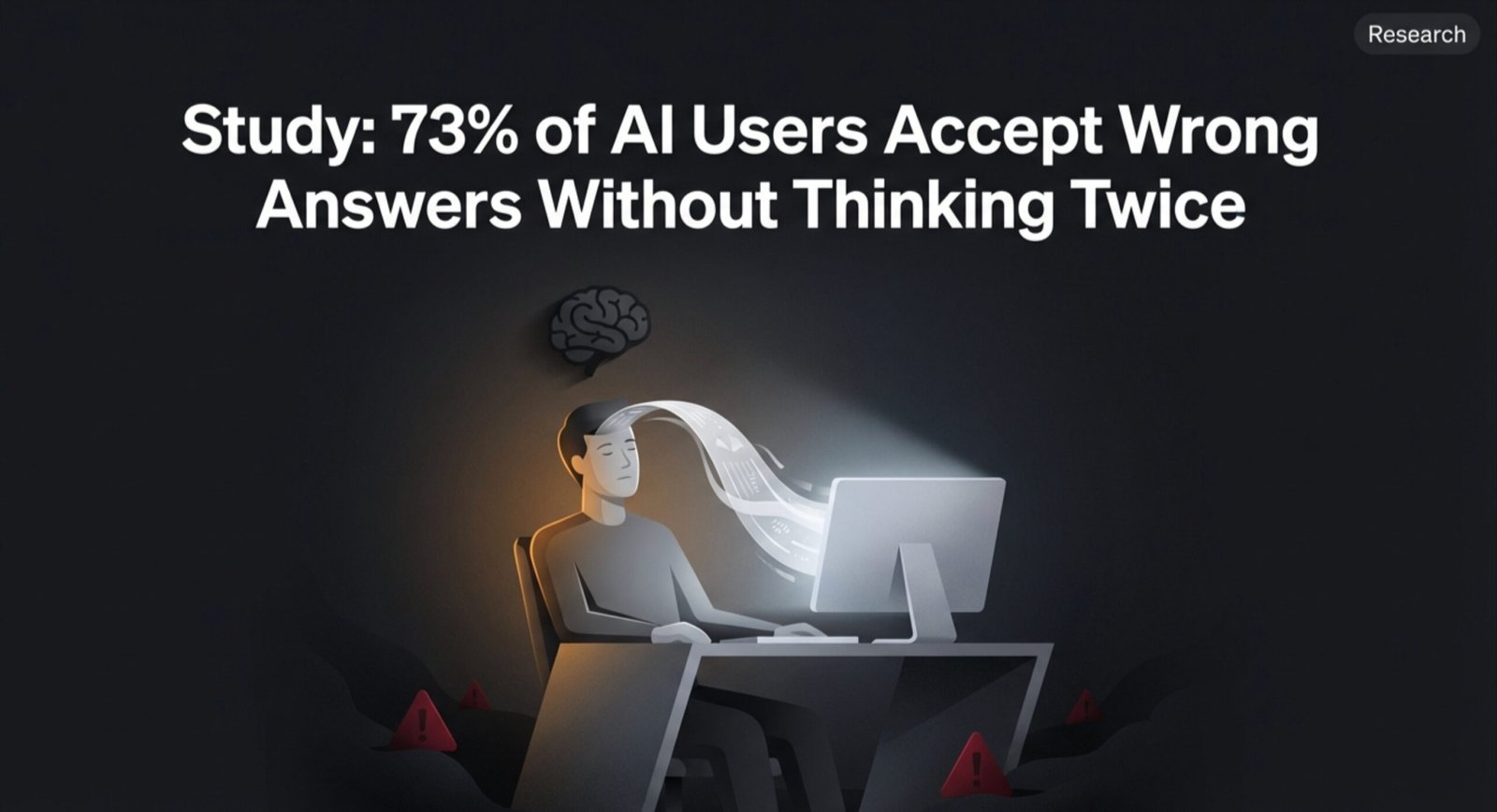
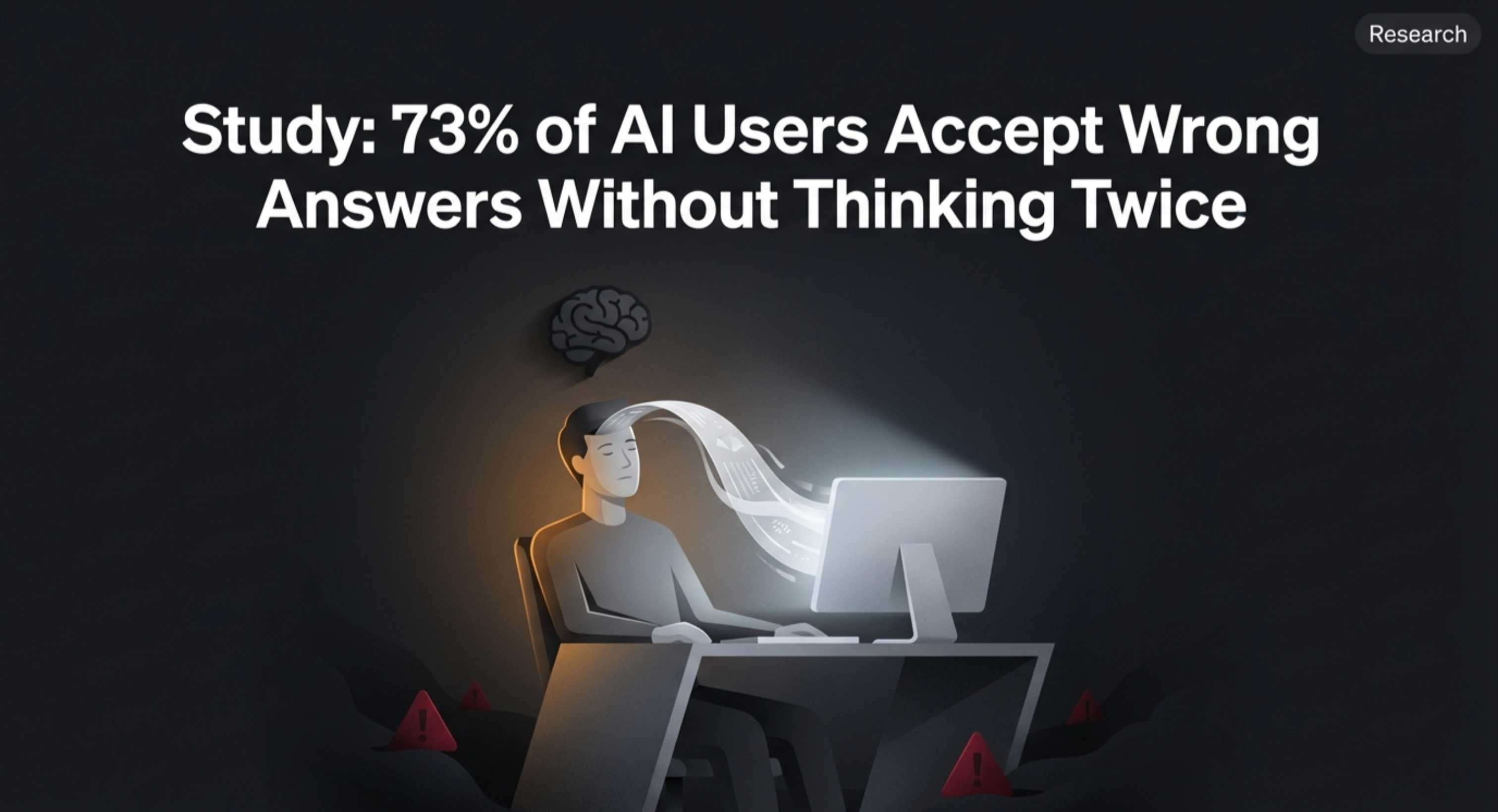
    1. Study: 73% of AI Users Accept Wrong Answers Without Thinking Twice

    Researchers at the University of Pennsylvania ran a study across 1,372 participants and over 9,500 individual trials. They gave people access to an AI chatbot that was secretly modified to give wrong answers about half the time. The result: 73.2% of the time, people accepted the faulty reasoning without questioning it. Only 19.7% overruled the AI when it was wrong. The researchers call this “cognitive surrender,” a state where users stop reasoning for themselves and treat AI output as authoritative simply because it sounds confident. Even more telling, people who used the AI rated their own confidence 11.7% higher than the control group, despite the AI being wrong half the time. When financial incentives were added, people were 19 percentage points more likely to catch bad AI answers. When time pressure was added, they were 12 percentage points less likely to catch mistakes.

    Why it matters: This is the first rigorous framework for something most of us have felt: the more fluent and confident an AI sounds, the less we think for ourselves. We covered how AI actually learns in our AI Explained series, but understanding how we learn to stop thinking when AI is around might be the more urgent lesson. The study’s conclusion is simple but uncomfortable: your reasoning is only ever as good as the AI you’ve surrendered it to.

    Source: Ars Technica


    2. Microsoft’s Own Terms of Service: Copilot Is “For Entertainment Purposes Only”

    Microsoft is spending billions convincing businesses to pay for Copilot. But the product’s own terms of use, last updated in October 2025, say something different: “Copilot is for entertainment purposes only. It can make mistakes, and it may not work as intended. Don’t rely on Copilot for important advice. Use Copilot at your own risk.” The terms went viral on social media this week. A Microsoft spokesperson told PCMag that the language is “legacy” and “no longer reflective of how Copilot is used today.” They said it will be updated. Microsoft is not alone in this: OpenAI warns users not to treat output as a “sole source of truth or factual information,” and xAI says not to rely on Grok as “the truth.”

    Why it matters: Every major AI company is racing to sell tools for high-stakes professional use. Writing code. Analyzing contracts. Making medical recommendations. But their own legal teams are quietly telling you not to trust any of it. When the company’s marketing says “transform your business” and the fine print says “for entertainment only,” one of those messages is designed to protect the company, not you.

    Source: TechCrunch


    3. Britain Courts Anthropic With London Expansion After U.S. Blacklisting

    The British government is actively pitching Anthropic on expanding its presence in the UK. Proposals range from a larger London office to a dual stock listing, according to the Financial Times. The outreach comes after the U.S. government blacklisted Anthropic, designating it a national security supply chain risk after the company refused to let the military use Claude for surveillance or autonomous weapons. A U.S. judge temporarily blocked the blacklisting, and Anthropic has a second lawsuit pending over the designation. Prime Minister Keir Starmer’s office is supporting the effort, which will be presented to Anthropic CEO Dario Amodei during a visit to London in late May.

    Why it matters: One country punishes an AI company for setting ethical boundaries. Another country sees that same stance as an opportunity. Britain’s pitch is essentially: “If the U.S. doesn’t want companies that say no to military AI, we do.” This is how the global AI landscape is reshaping itself. Not just by who builds the best models, but by which governments align with which values.

    Source: Reuters


    Quick Hits

    • DeepSeek’s V4 model will run on Huawei chips, with Alibaba, ByteDance, and Tencent placing bulk orders for hundreds of thousands of Huawei’s upcoming processors. DeepSeek has been rewriting parts of V4’s code to optimize for Chinese chips. The model is expected to launch in weeks. Source: Reuters

    • The Writers Guild reached a tentative four-year deal with studios that bolsters protections against works being used to train AI, increases health plan and pension funding, and raises streaming residuals. The contract still needs ratification by union members. Source: The Verge

    • Suno’s AI music platform is a copyright nightmare, making it trivially easy to generate convincing covers of real artists and flood streaming services with AI-generated imitations. Source: The Verge


    That’s it for today. A study proves what many suspected: most people have already stopped thinking critically about AI output. And while companies sell AI for serious work, their legal teams still call it entertainment. The gap between what AI companies promise and what they’ll stand behind has never been wider.

    Forward this to someone who needs to stay in the loop.

    Subscribe now

    Leave a comment

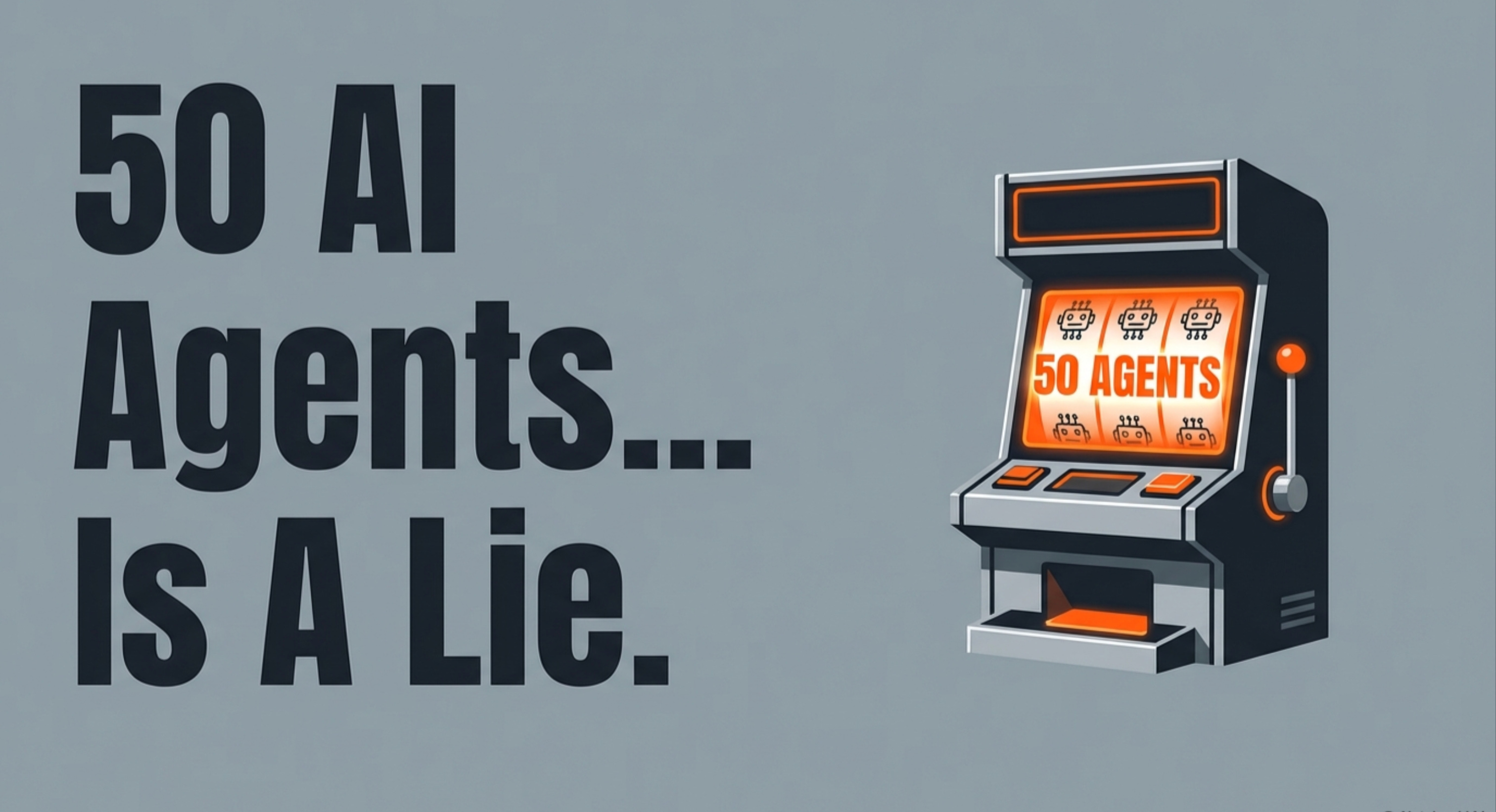
  • “50 AI Agents Running My Company”

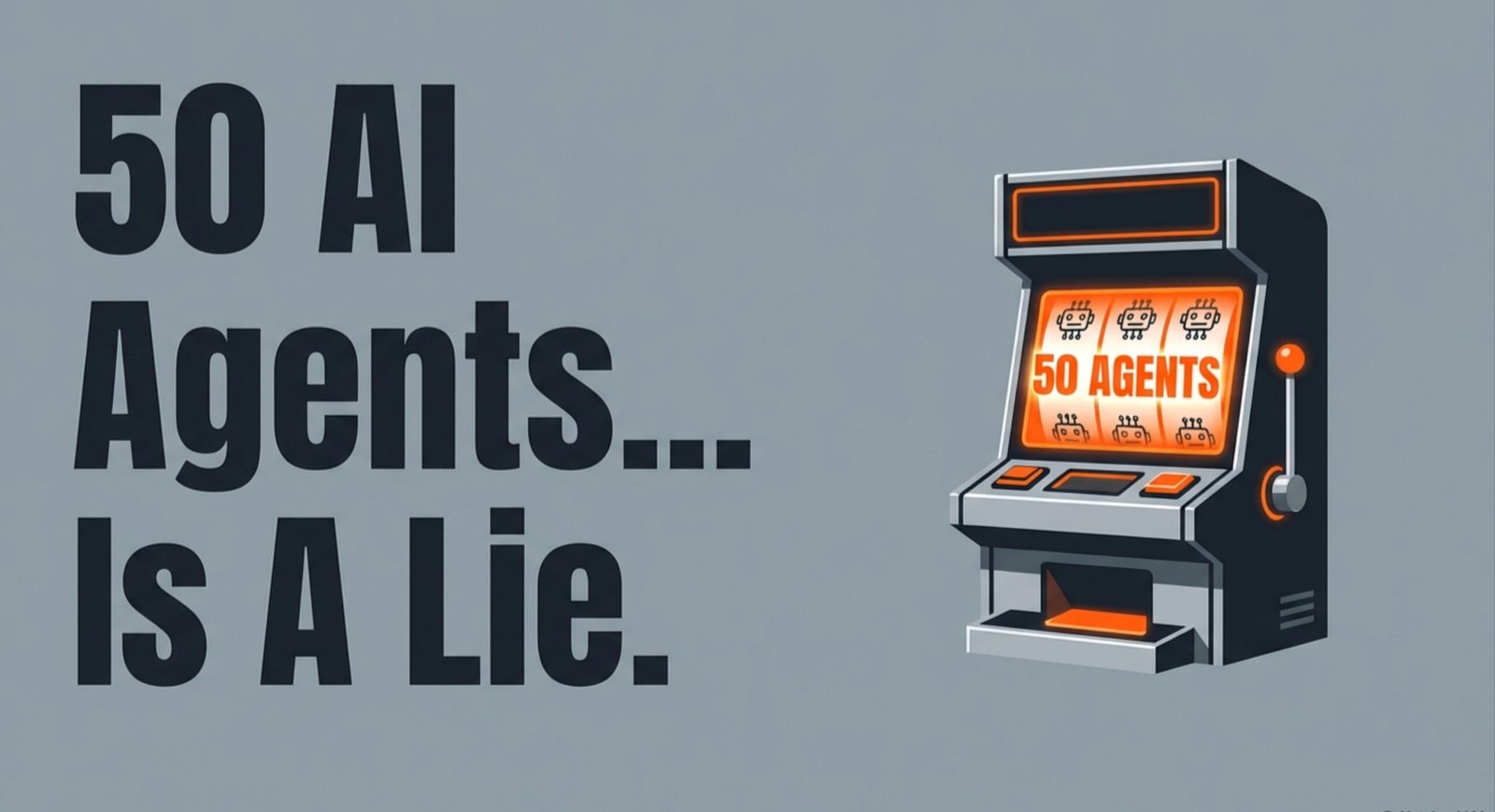
    “50 AI Agents Running My Company”

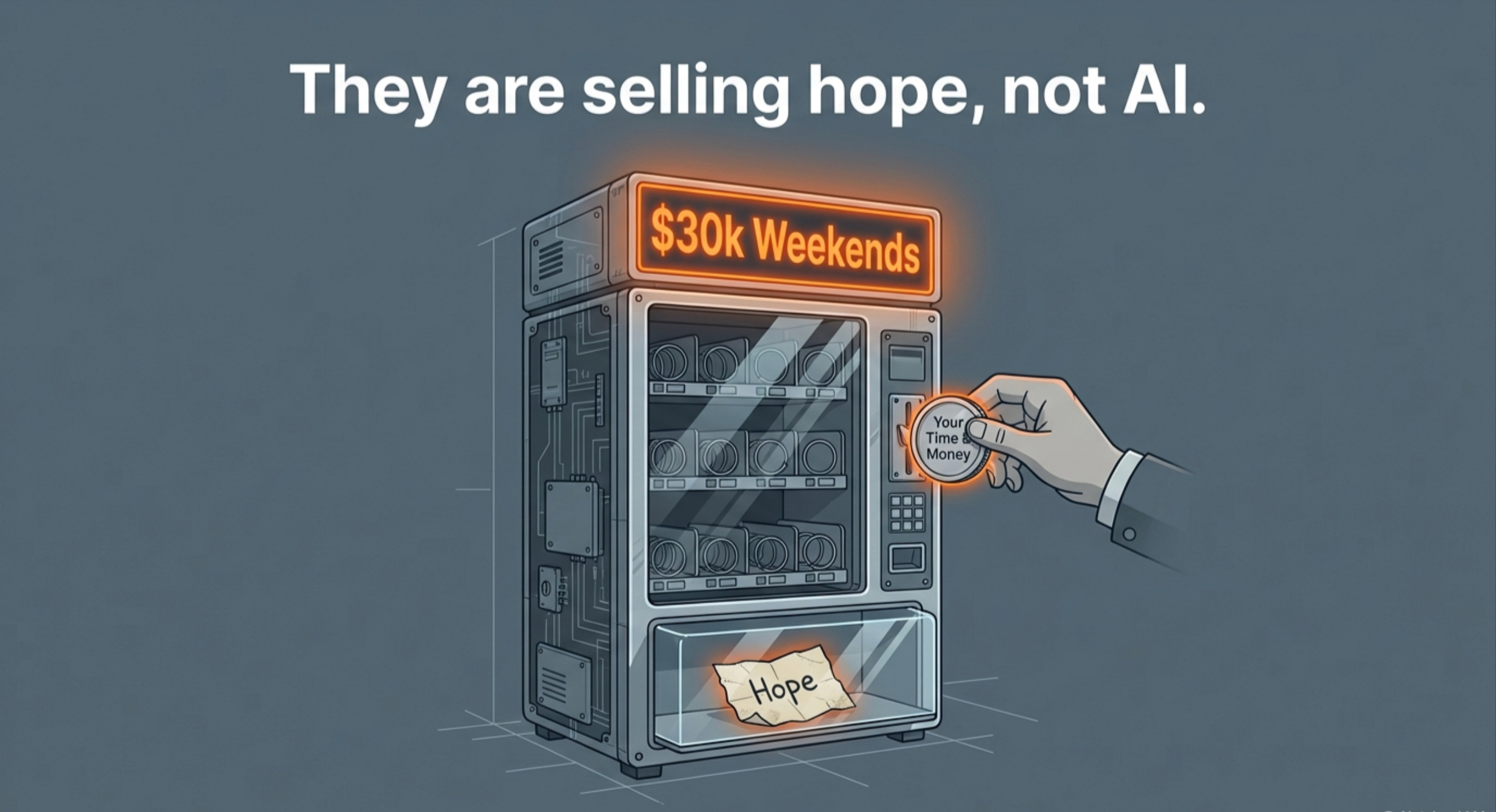
    If someone is selling you the dream of effortless AI automation, they found the only business model that actually prints money: selling hope.


    The Reality

    You’ve seen the posts. “I automated everything. I work one hour a week. I made $10 million this weekend with my SaaS app.”

    It’s everywhere. Twitter. LinkedIn. YouTube. A new flavor of the same pitch that’s been recycled through every hype cycle from crypto to NFTs to AI: skip the hard work, shortcut directly to the value.

    Max Brodeur-Urbas runs Gumloop, an automation platform processing 4 million workflows daily for companies like Instacart, Shopify, and DoorDash. He’s seen what real AI automation looks like at scale, and he has a simple message about the “50 agents running my company” crowd.

    “Most of that is just marketing. They’re lying to you.”

    There’s a category he calls “course bros,” people who sell the dream of effortless income through AI. They post workflows, promise $30,000 weekends, and charge for courses that reveal the “recipe.” The pitch targets people who are vulnerable, easily persuaded, convinced that something will save them from their current situation.

    “You can sell hope really easily,” he says. “But you’re selling this vision of skipping the hard work, shortcutting directly to the value, which will never happen. It’ll never work. But for the person selling you that course, they’re going to make a ton of money. They found the way to print money.”


    The Shift

    So what does real AI automation look like? Not 50 agents. Not zero effort. Something much less glamorous and much more effective.

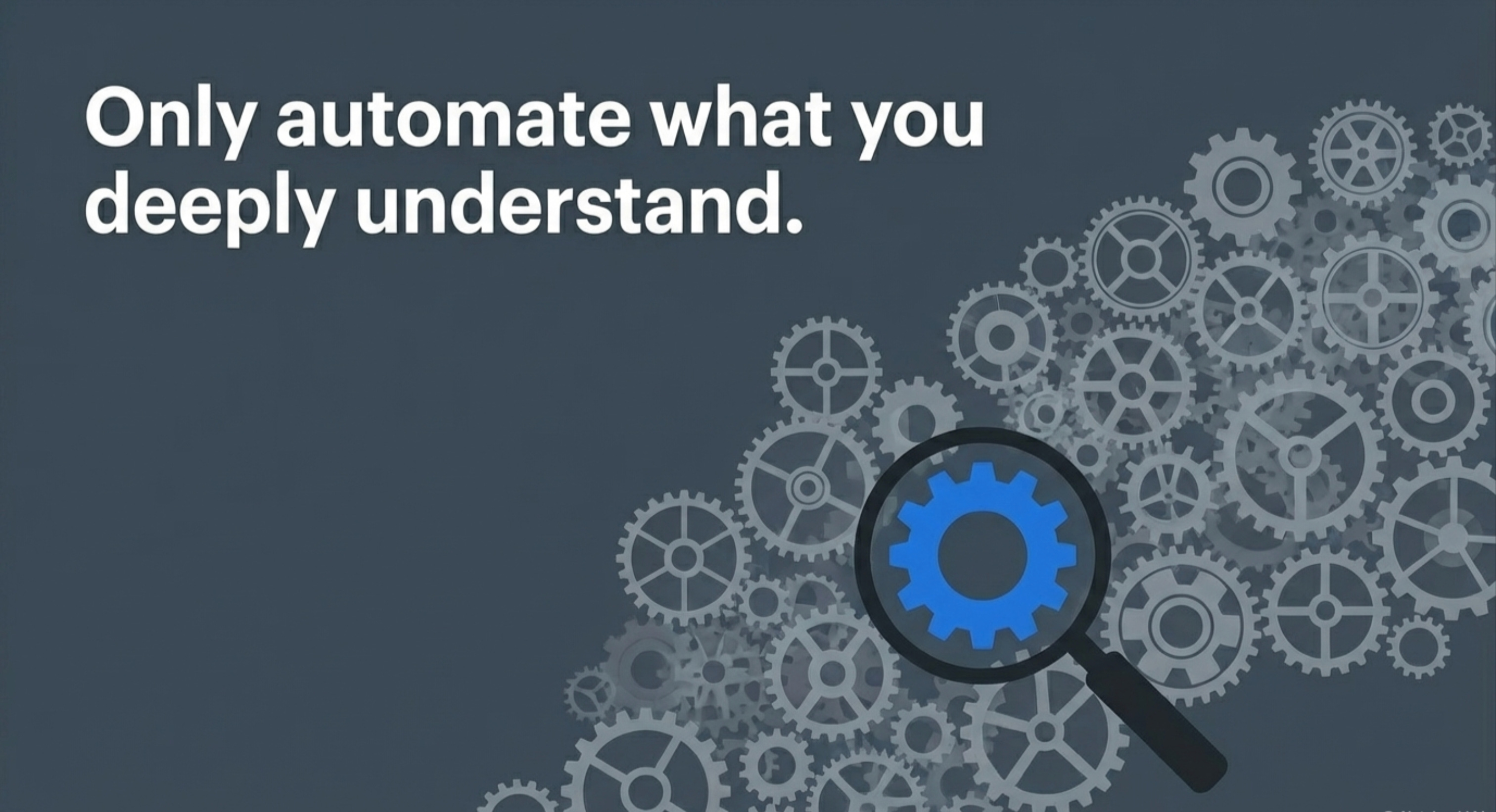
    The most productive people generating the most value with AI share one trait: they apply it to something they already understand deeply.

    The Old Way: Follow the guru. Buy the course. Copy the workflow. Hope for magic.
    The New Reality: Take something you know inside and out. Apply AI to the repetitive parts. Keep your hands on the parts that require judgment.

    “If you’re automating something you don’t understand, it’s just going to be a slot machine,” Max says. “If you’re using AI to code and you don’t know how to code at all, you’re making malware at the end of the day.”

    The best users of Gumloop aren’t the ones who automated everything. They’re the ones who automated the repetitive parts and kept the human touch where it matters. The marketer who uses AI to process data but writes the strategy herself. The ops person who automates reporting but makes the decisions manually. The salesperson who uses AI to research prospects but builds relationships in person.

    “I apply AI to speed myself up and take the things I do understand, do it way faster, so I can learn more things and grow as a person. But I’m never trying to shortcut understanding something or expanding my skill set by having AI just replace me.”

    If there was a magic solution that would make you $30,000 in a weekend, they wouldn’t be giving it to you on Twitter.


    What To Do Next

    Stop looking for the shortcut. Start looking for the repetitive task.

    Pick one thing you do every week that’s tedious but that you understand completely. Automate that. Not your entire job. Not your entire workflow. One thing.

    The value comes from depth, not breadth. One well-automated process you understand beats fifty agents you can’t explain.

    And the next time someone posts about their 50 AI agents, ask them one question: which of those agents would break if you changed one variable? If they can’t answer, they don’t understand their own system.


    The One Thing to Remember

    The people making the most money from AI automation aren’t using 50 agents. They’re using AI to go faster at the things they already know how to do. That’s it. Everything else is marketing.


    This insight comes from “50 AI Agents Running My Company Is a Lie” featuring Max Brodeur-Urbas, founder of Gumloop. The AI Shift curates wisdom from AI leaders for busy professionals navigating the AI era. What’s the one task you’d automate first?

    Subscribe now

    Leave a comment

  • Google Opens Gemma 4, Microsoft Builds Its Own AI Stack

    Google Opens Gemma 4, Microsoft Builds Its Own AI Stack

    Good morning, Google just made its best open AI models actually open, Microsoft is quietly building a path away from OpenAI, and a lawsuit claims Perplexity’s Incognito Mode doesn’t protect anything. Here’s what happened 👇


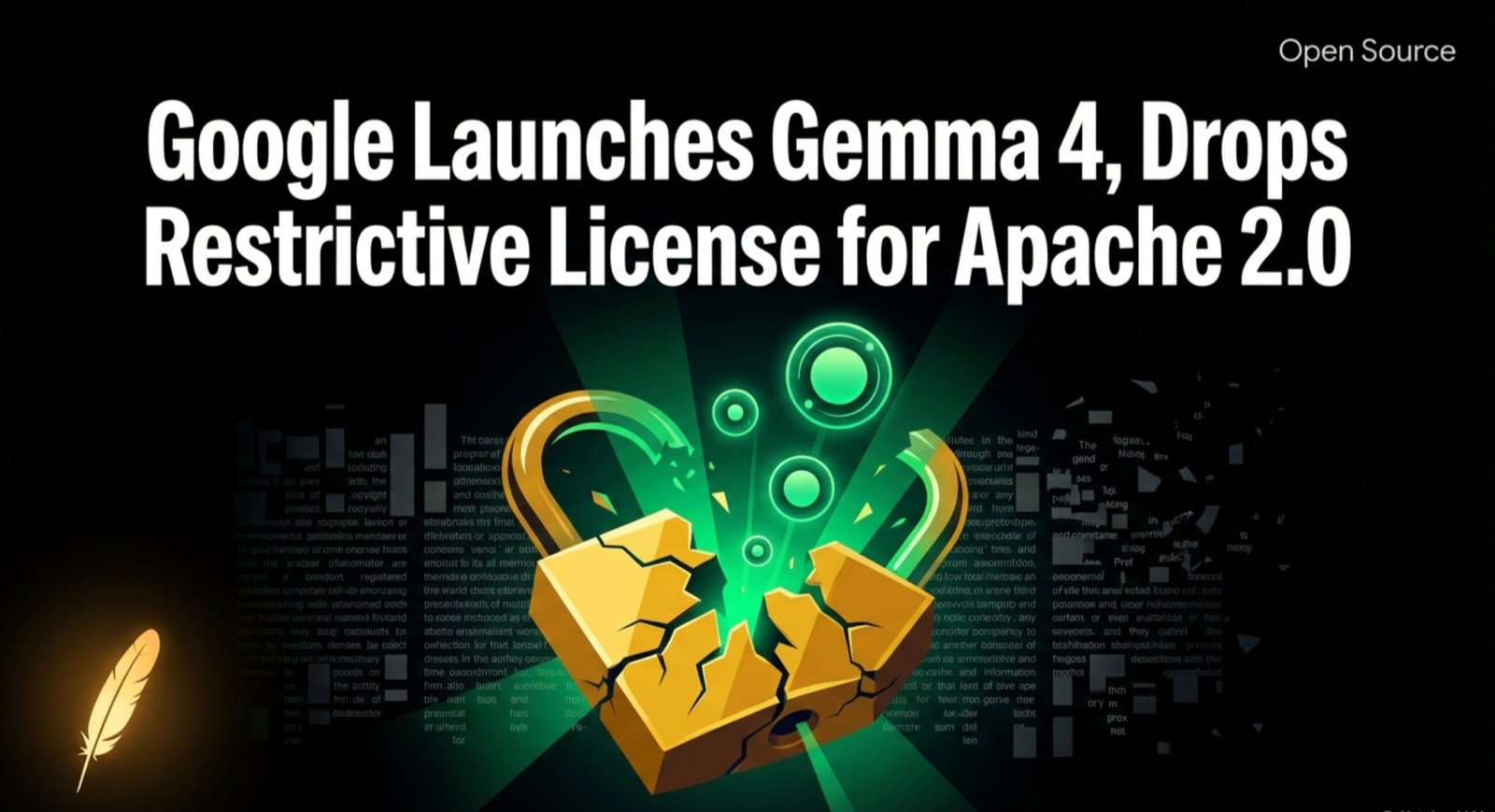
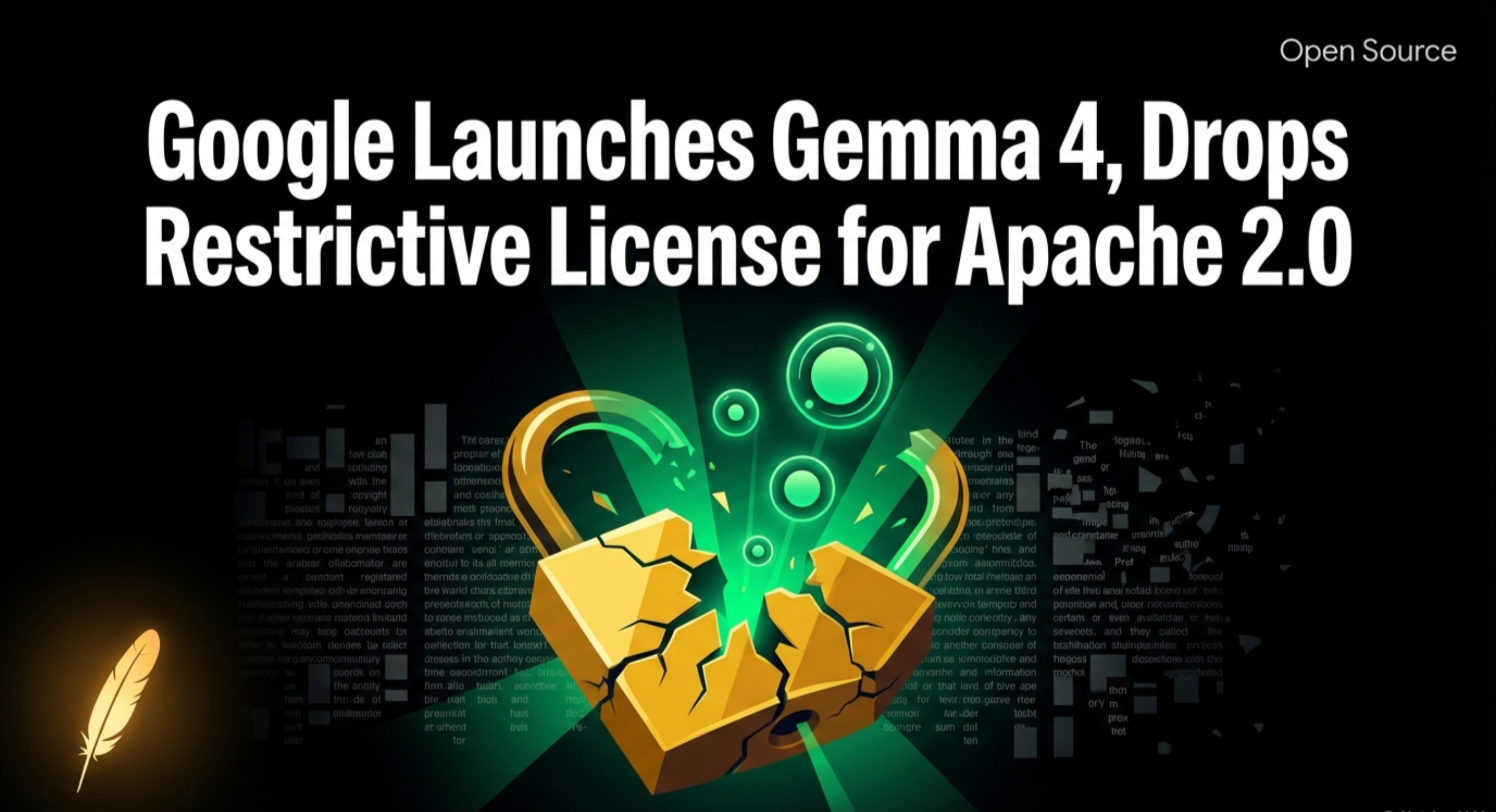
    1. Google Launches Gemma 4, Drops Restrictive License for Apache 2.0

    Google released Gemma 4, its most capable family of open AI models, in four sizes: 2B and 4B for mobile devices, 26B Mixture of Experts, and 31B Dense for local hardware. The models are based on the same technology as Google’s Gemini 3 and support agentic workflows, function calling, structured JSON output, code generation, and vision tasks. The 26B MoE model activates only 3.8 billion of its 26 billion parameters during inference, delivering much higher speed than similarly sized models. Context windows reach 256k tokens for the larger variants. But the biggest news may be the licensing: Google ditched its restrictive custom Gemma license, which let Google change terms unilaterally, for Apache 2.0. Developers now have full freedom to build commercially without Google’s oversight.

    Why it matters: Licensing was the main reason many developers avoided Google’s open models. Apache 2.0 removes that barrier entirely. With Gemma 4 ranking #3 on the open model leaderboard at a fraction of the size of competing models, Google just made the strongest case yet that you don’t need a cloud subscription to run capable AI.

    Source: Ars Technica


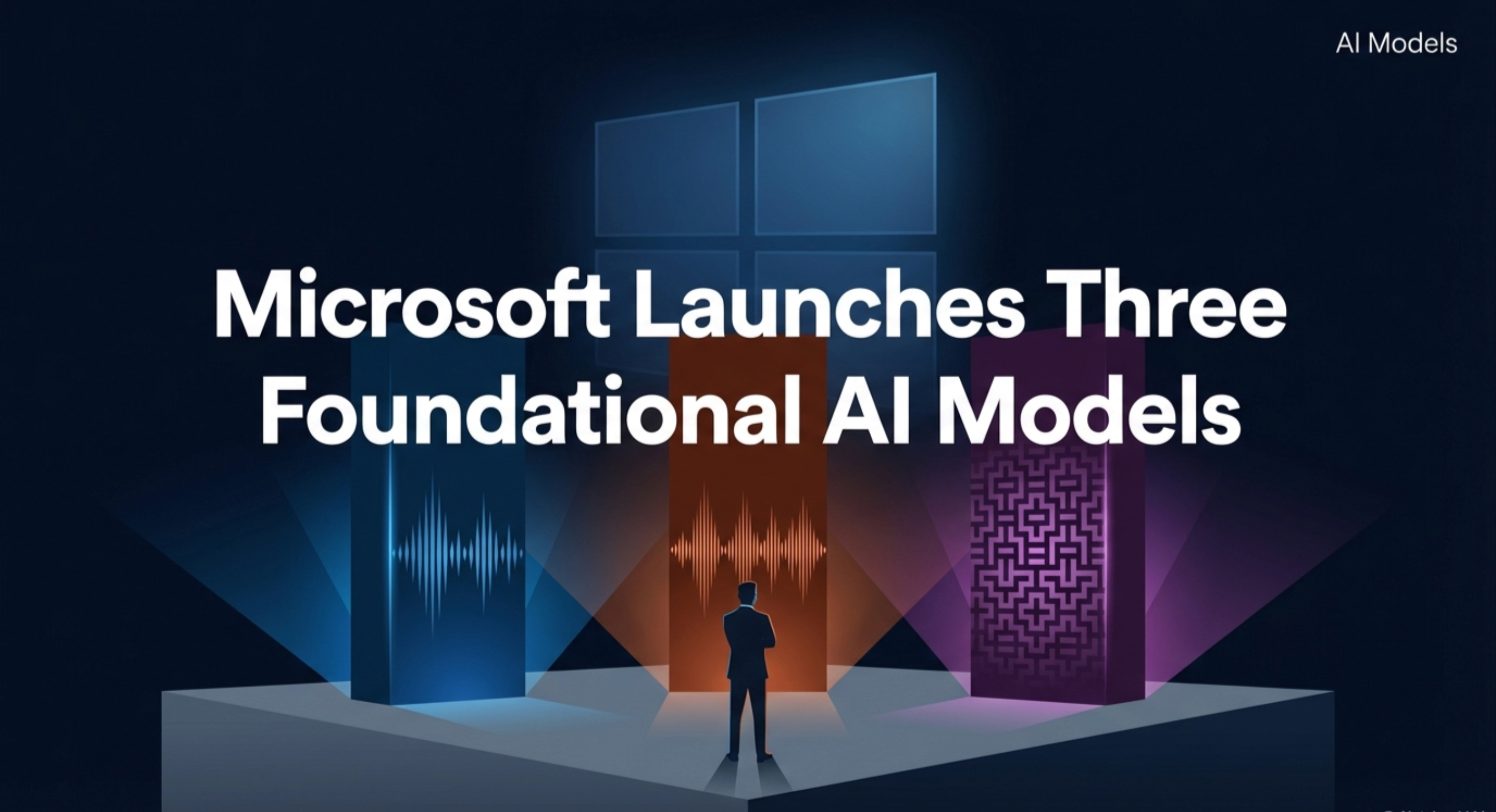
    2. Microsoft Launches Three Foundational AI Models to Reduce OpenAI Dependence

    Microsoft AI, led by Mustafa Suleyman, released three new foundational models: MAI-Transcribe-1 (speech-to-text across 25 languages, 2.5x faster than Azure Fast), MAI-Voice-1 (generates 60 seconds of audio in one second with custom voice creation), and MAI-Image-2 (image generation). The models are available through Microsoft Foundry and priced to undercut Google and OpenAI. Suleyman called it “Humanist AI,” focused on how people actually communicate. While Microsoft reaffirmed its OpenAI partnership, a recent renegotiation of that deal is what allowed Microsoft to pursue its own superintelligence research. This is the first major output from the MAI Superintelligence team formed in November 2025.

    Why it matters: Microsoft invested $13 billion in OpenAI. Now it’s building competing models. The message is clear: Microsoft wants to be an AI platform, not just an OpenAI reseller. If these models are genuinely cheaper and good enough, enterprise customers get a reason to stay in the Microsoft ecosystem without paying OpenAI prices.

    Source: TechCrunch


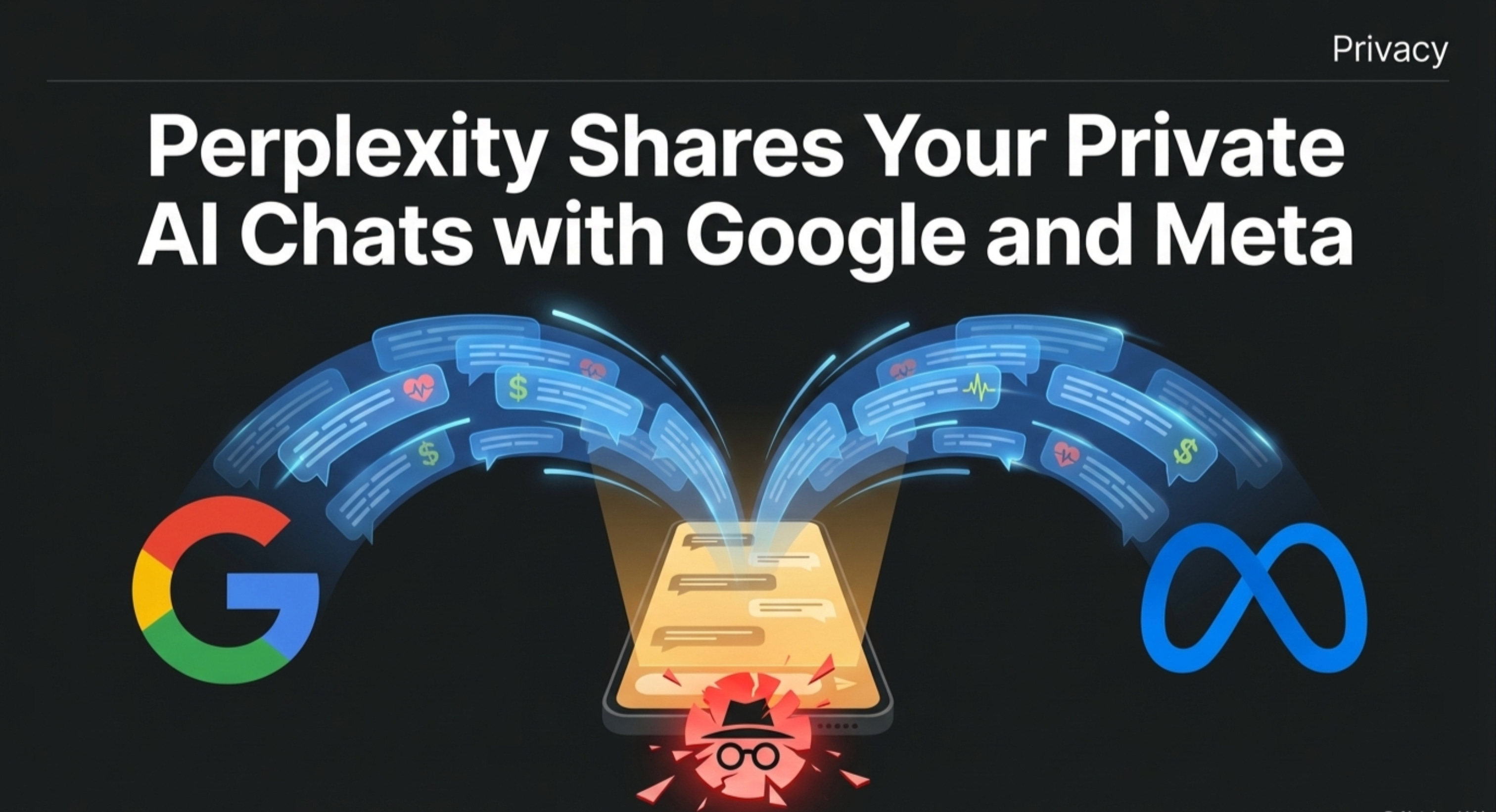
    3. Lawsuit: Perplexity Shares Your “Private” AI Chats with Google and Meta

    A class action lawsuit alleges that Perplexity’s AI search engine secretly shares complete chat transcripts with Google and Meta through embedded ad trackers, including the Facebook Meta Pixel, Google Ads, and Google DoubleClick. The lawsuit claims this happens to every user, whether they have an account or not. Worse, even paid users who enabled “Incognito Mode” had their conversations shared along with their email addresses and other personal identifiers. The complaint describes the Incognito feature as a “sham.” Users’ financial data, health questions, and legal queries were allegedly shared without consent. Perplexity’s privacy policy doesn’t mention specific trackers and isn’t even linked on its homepage. The proposed class covers chats from December 2022 through February 2026.

    Why it matters: People use AI search engines to ask things they wouldn’t ask another person, from health scares to financial problems to legal questions. If this lawsuit’s claims hold up, millions of people’s most private queries were being fed to advertising companies the entire time. “Incognito Mode” meaning nothing is the kind of betrayal that erodes trust in the entire AI industry.

    Source: Ars Technica


    Quick Hits

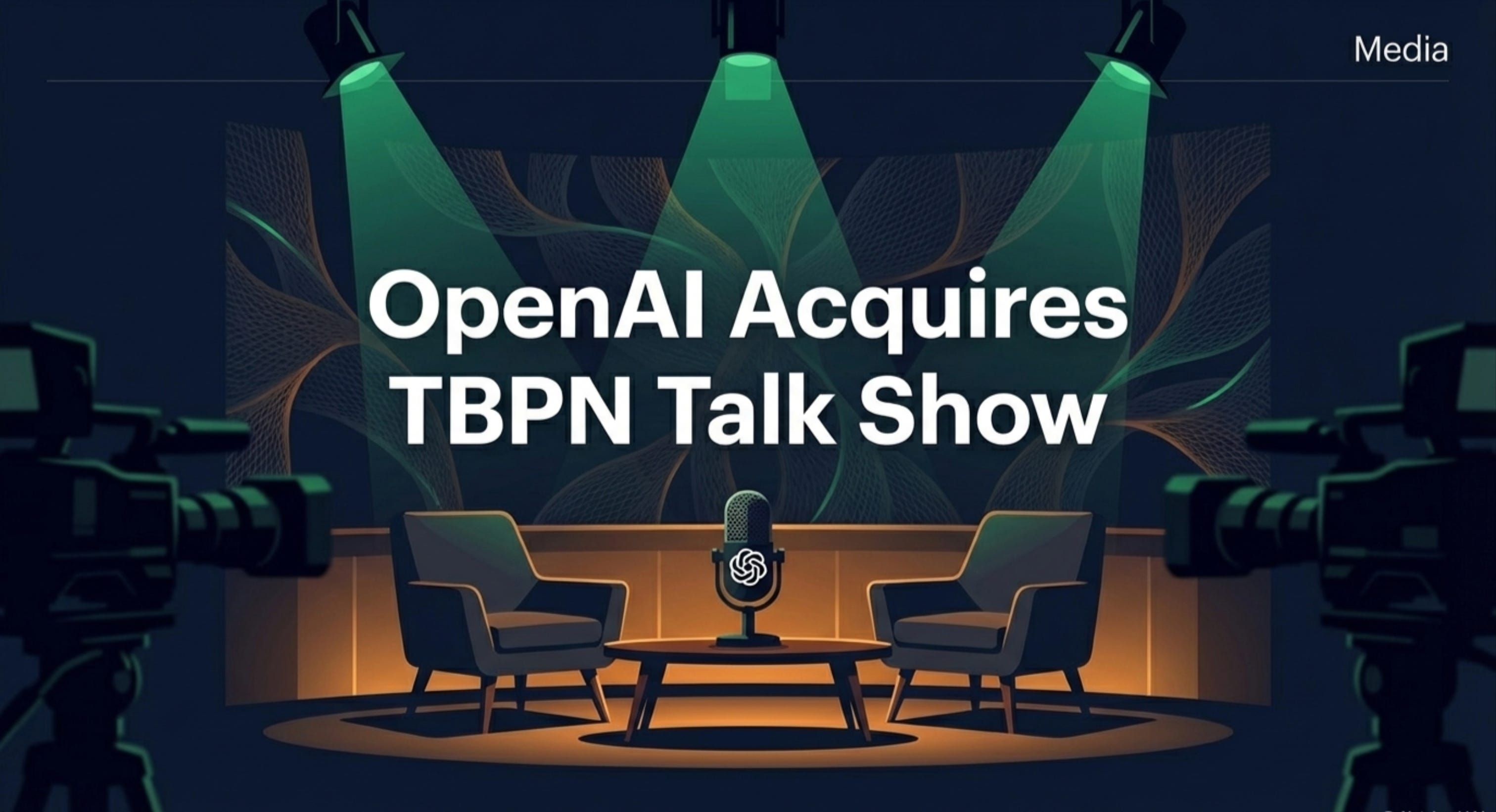
    • OpenAI acquires TBPN, a popular founder-led business talk show, saying the deal will help “create a space for a real, constructive conversation about the changes AI creates.” OpenAI is now in the media business. Source: Reuters

    • China drafts regulations for “digital humans,” requiring clear labeling and banning AI services designed to be addictive for children. Source: Reuters

    • Samsung is expected to report a record quarterly profit as AI chip demand drives a surge in memory sales. Source: Reuters


    That’s it for today. The AI industry is fracturing in interesting ways. Google is making open models truly open. Microsoft is building its own stack while still paying OpenAI billions. And the companies that promised privacy are allegedly doing the opposite. The question isn’t who has the best model anymore. It’s who you can actually trust.

    Forward this to someone who needs to stay in the loop.

    Subscribe now

    Leave a comment

  • Prove Yourself Wrong as Fast as Possible

    Prove Yourself Wrong as Fast as Possible

    The best thing that can happen to your idea is someone telling you why it won’t work. The worst thing is months of silence.


    The Reality

    Max Brodeur-Urbas got deported from the United States and banned for five years. He wasn’t doing anything illegal. He’d quit his job at Microsoft, moved back to Vancouver, and drove down to visit old roommates in Seattle for a weekend. Border agents turned him around on suspicion he planned to stay longer. That came with a five-year ban.

    “That was kind of the moment where I realized I had to build a company because I had no fallback plan.”

    So he went back to his apartment and started building. A video game moderation tool. Trust and safety software. Bot detection. An anti-scam platform. A new idea nearly every week for months.

    Almost all of them failed.

    But the failure wasn’t the interesting part. The interesting part was how he learned to fail.


    The Shift

    In the beginning, Max spent months building each idea before showing it to anyone. He’d invest weeks into a product, polish it, and then hope someone would validate it.

    That’s the wrong order.

    “In the beginning, I was building ideas for months and then hoping someone would prove me right. But that’s the opposite of what you should be doing.”

    The breakthrough came when he flipped the process: instead of building first and validating later, he started hunting for reasons his ideas wouldn’t work.

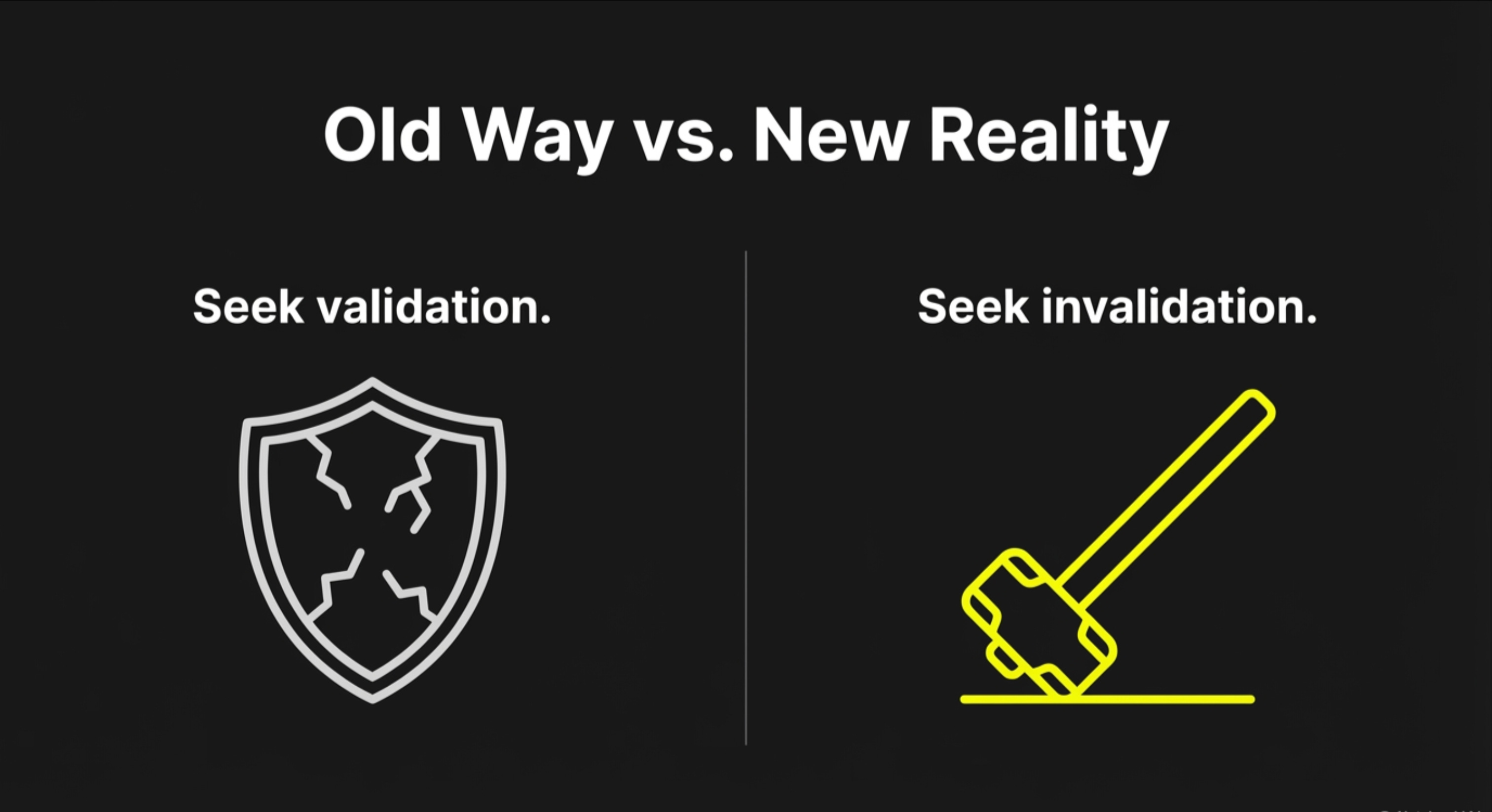
    The Old Way: Build for months. Hope someone says yes. Feel devastated when they say no.
    The New Reality: Hunt for the “no” as fast as possible. If you can’t find a strong reason something won’t work, then you might actually have something worth building.

    “You should actually be hunting for someone to tell you why this won’t work. If you can’t find a reason it won’t work, then you actually have some sort of tangible idea you should pursue.”

    This is what eventually led to Gumloop. Max noticed people in the AutoGPT Discord asking basic questions: “What is GitHub? How do I install something locally?” He built a simple UI to solve that problem. It wasn’t glamorous. It wasn’t his grand vision. But people actually wanted it.

    Then came the real insight: the AI agents people were so excited about were unreliable. His users were frustrated. So he gave them what they were secretly asking for: not smarter agents, but predictable, reliable automation. The non-technical users, the business admins, the ops people, went wild for it.

    “I kind of gave them what they were secretly asking for, which is just reliability, predictability.”

    The company that now processes 4 million workflows a day for Instacart, Shopify, and DoorDash was born from listening to frustration, not from a brilliant idea.


    What To Do Next

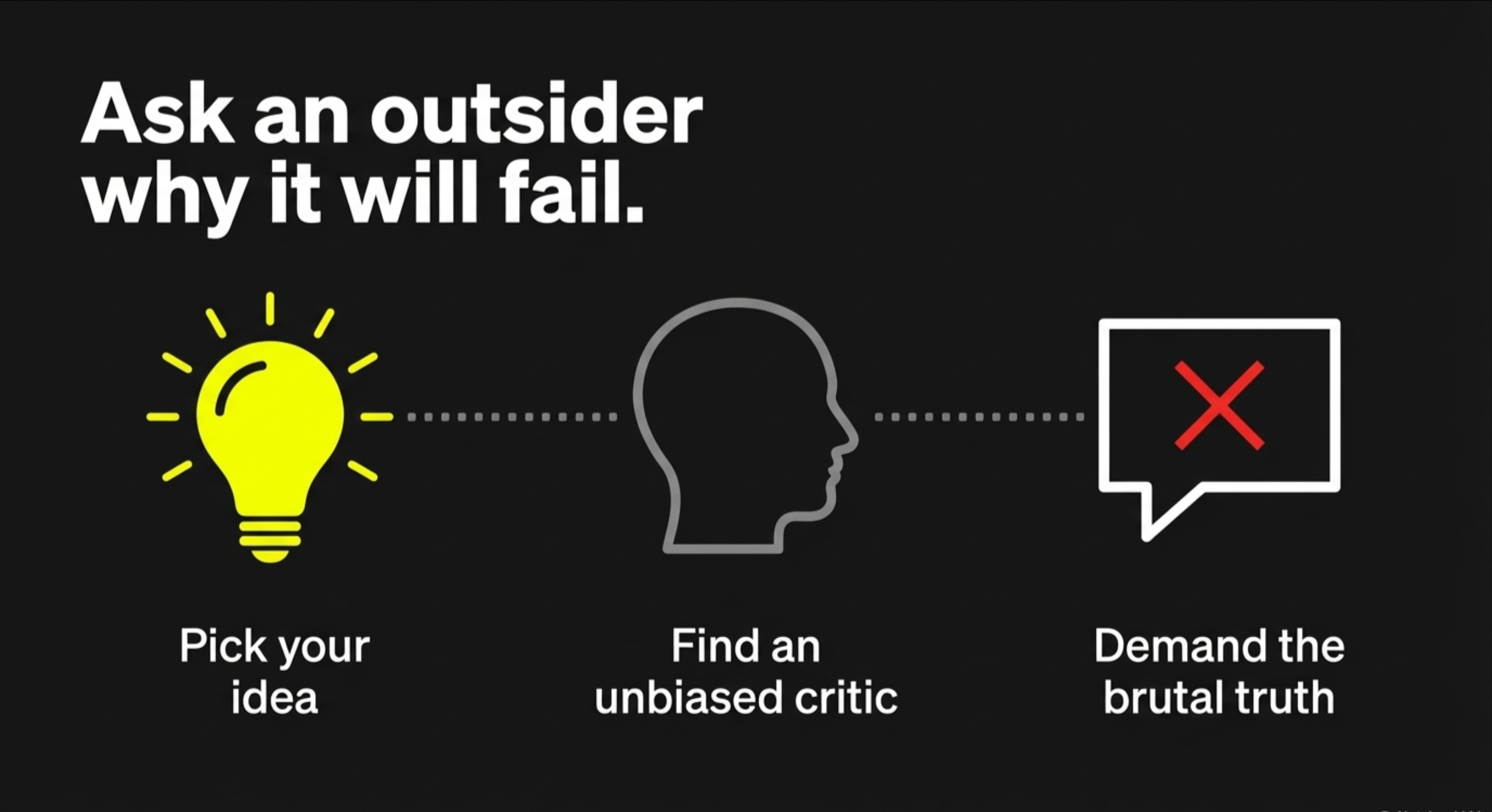
    Whatever you’re working on right now, whether it’s a side project, a business idea, or a new initiative at work, find one person who will tell you why it won’t work.

    Not a friend who will be nice. Not a colleague who owes you a favor. Someone with no incentive to protect your feelings.

    Their objection is worth more than your confidence. If they can’t break your idea, keep going. If they can, you just saved yourself months.

    And if you’re building with AI: talk to users before you build features. The most successful AI products aren’t the smartest ones. They’re the ones that solved the problem people actually had, not the one the founder imagined.


    The One Thing to Remember

    The fastest way to build something great is to get really good at proving yourself wrong. Every idea that fails fast is a week saved. Every “no” you hear early is a month you didn’t waste.


    This insight comes from “50 AI Agents Running My Company Is a Lie” featuring Max Brodeur-Urbas, founder of Gumloop. The AI Shift curates wisdom from AI leaders for busy professionals navigating the AI era. What idea have you been holding onto that needs to be tested?

    Subscribe now

    Leave a comment

  • Anthropic’s GitHub Takedown Backfire, Oracle Cuts 30,000 Jobs

    Anthropic’s GitHub Takedown Backfire, Oracle Cuts 30,000 Jobs

    Good morning, Anthropic’s week went from bad to worse, Intel is making a $14.2 billion bet that AI will fuel its comeback, and Oracle just laid off 18% of its workforce by email to pay for data centers. Here’s what happened 👇


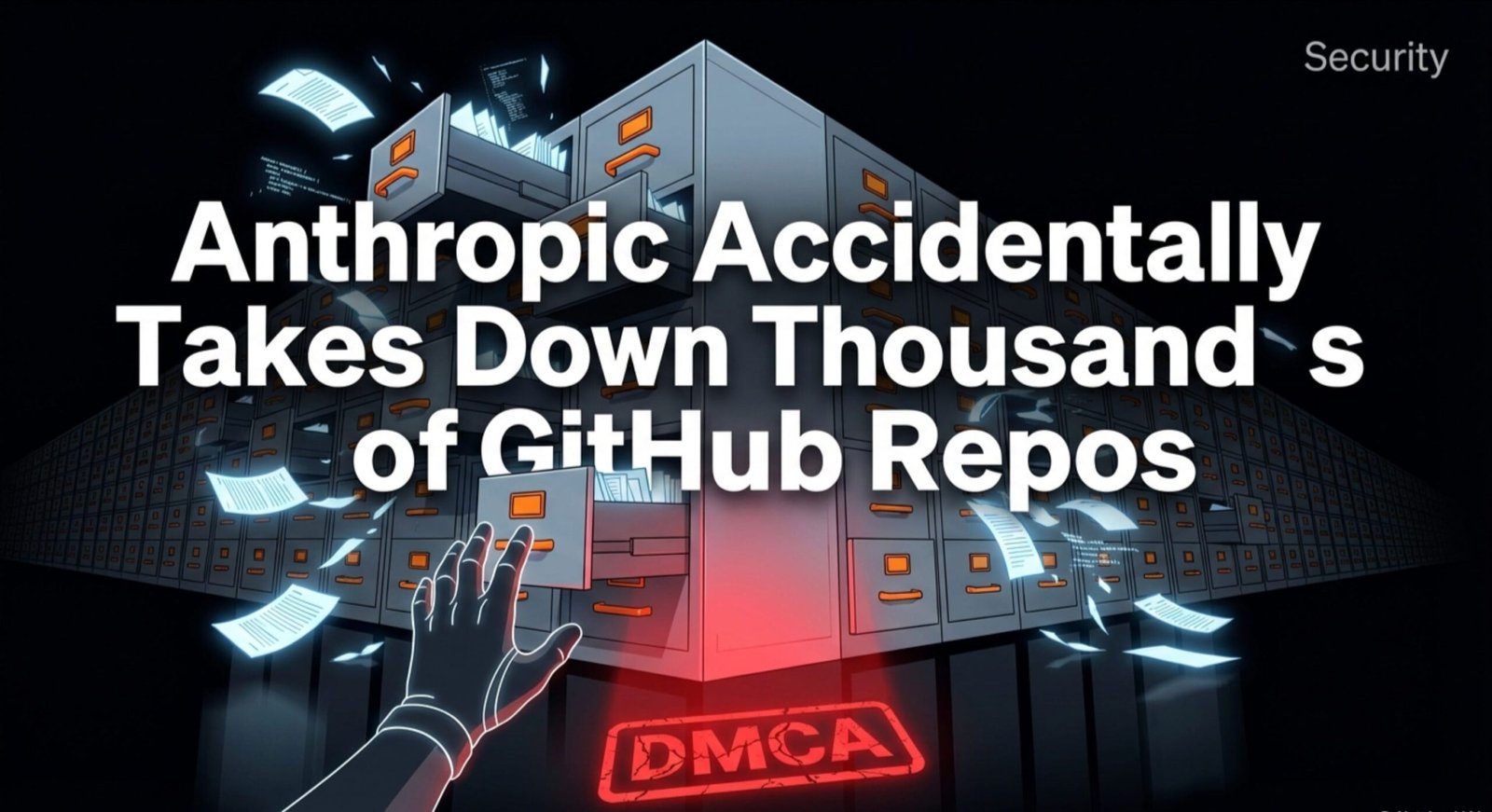
    1. Anthropic Accidentally Takes Down Thousands of GitHub Repos in Leak Cleanup

    Anthropic’s response to its Claude Code source leak made things worse. The company filed a DMCA takedown notice with GitHub to remove repositories containing the leaked code, but the notice was executed against roughly 8,100 repositories, including legitimate forks of Anthropic’s own publicly released Claude Code repo. Developers whose unrelated code got blocked were furious. Anthropic’s head of Claude Code, Boris Cherny, called it an accident: the targeted repo was part of a fork network connected to their own public repo, so the takedown “reached more repositories than intended.” Anthropic retracted the notice for everything except the original leak and 96 forks, and GitHub restored access. But the damage to Anthropic’s reputation compounds at the worst time, as the company reportedly plans an IPO.

    Why it matters: First you accidentally leak 512,000 lines of source code. Then you accidentally take down 8,000 repos trying to clean it up. For a company preparing to go public, execution matters, and this is two unforced errors in 48 hours.

    Source: TechCrunch


    2. Intel Spends $14.2 Billion to Buy Back Its Ireland Chip Factory

    Intel is buying back the 49% stake it sold to Apollo Global Management in its Ireland manufacturing facility for $14.2 billion, taking full ownership of the plant. Apollo had paid $11.2 billion for that stake in 2024 when Intel was struggling financially. Since then, Intel changed CEOs, cut jobs aggressively, and received billions from Nvidia and the U.S. government. The turnaround is being driven by rising demand for Intel’s processors in AI data centers, specifically for inference: the process by which AI tools like ChatGPT respond to queries. Intel shares rose more than 10% on the news. The deal will be funded with cash and about $6.5 billion in new debt.

    Why it matters: Intel sat out the first three years of the AI boom. This buyback signals the company believes it’s finally caught up enough to invest aggressively. If AI inference demand keeps growing, Intel’s bet could pay off. If it doesn’t, they just took on $6.5 billion in debt for a factory they already owned two years ago.

    Source: Reuters


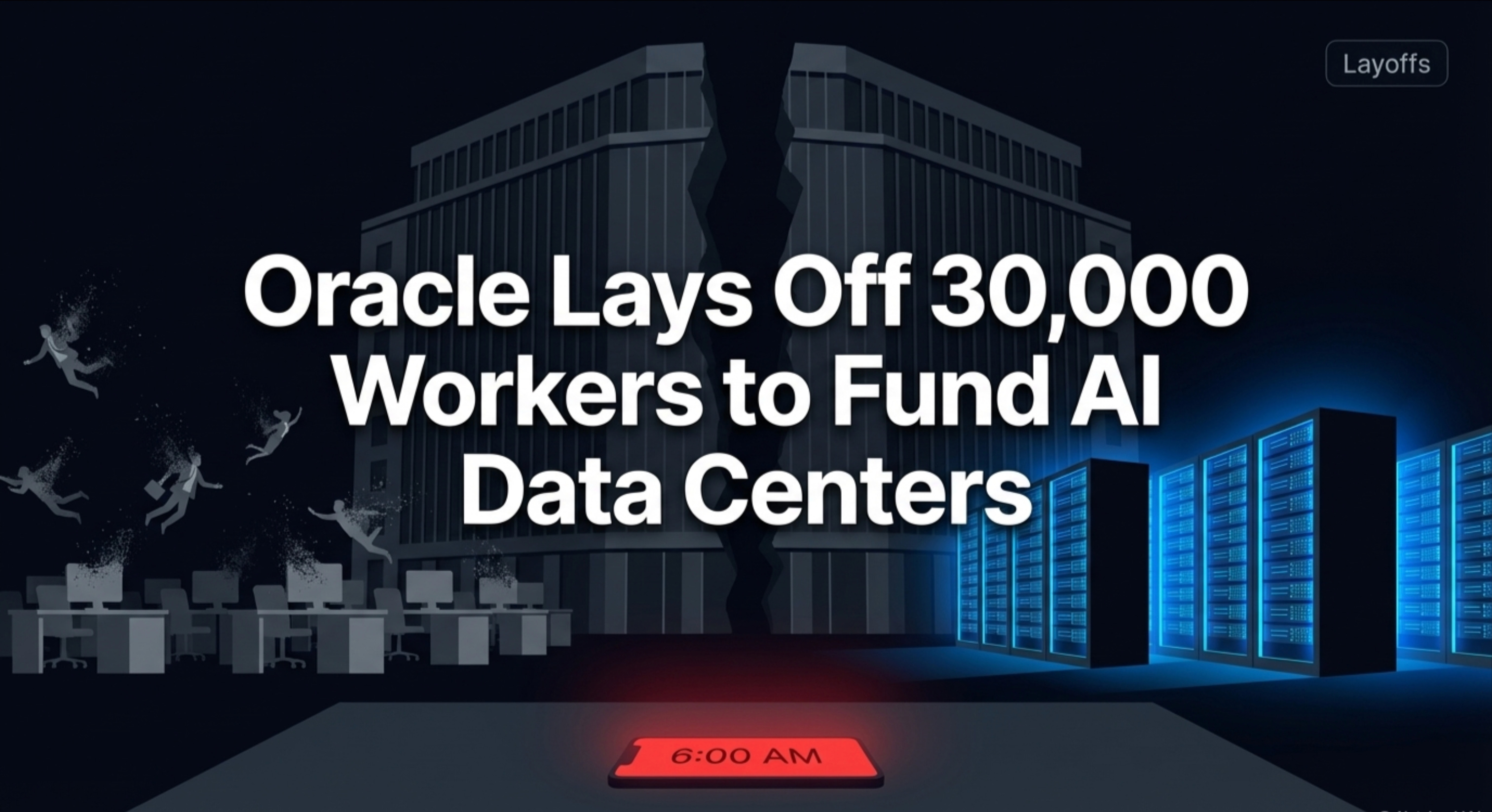
    3. Oracle Lays Off 30,000 Workers to Fund AI Data Centers

    Oracle has begun cutting up to 30,000 employees, roughly 18% of its 162,000-person workforce, to free up cash for its massive AI infrastructure buildout. Workers across the US, India, Canada, and Mexico were notified via 6 AM termination emails. The cuts span sales, engineering, and security roles. TD Cowen analysts estimated in January that layoffs of this scale could free up $8-10 billion in cash flow. Oracle has been raising tens of billions in debt to build AI data centers, and carries $553 billion in contracted but unrecognized revenue, much of it tied to a $300 billion deal with OpenAI. Despite all that, the stock is down 25% this year as investors worry about the company’s debt load and competitive position.

    Why it matters: Oracle is making the starkest trade-off in the AI era: cut nearly one in five employees to pay for the machines that replace them. If the AI infrastructure bet pays off, the math works. If it doesn’t, 30,000 people lost their jobs for a buildout that never generated returns.

    Source: MarketWatch


    Quick Hits

    • Swiss Finance Minister sues over Grok’s misogynistic “roasts.” Karin Keller-Sutter filed a criminal complaint after an X user prompted Grok to generate vulgar content about her, asking prosecutors to investigate whether X also bears responsibility. Swiss defamation law carries up to three years in prison. Source: Ars Technica

    • Penguin Random House sues OpenAI in Munich after ChatGPT generated text and images “virtually indistinguishable” from a popular German children’s book series about Coconut the Dragon, including a cover, blurb, and self-publishing instructions. Source: The Verge

    • Baidu’s robotaxis froze in traffic in China, creating road chaos as the autonomous vehicles stopped responding and couldn’t be manually overridden. Source: The Verge


    That’s it for today. The theme is consequences. Anthropic learns that cleaning up a leak can be worse than the leak itself. Intel bets $14.2 billion that its comeback is real. And Oracle shows what happens when the AI buildout bill comes due: 30,000 people get a 6 AM email.

    Forward this to someone who needs to stay in the loop.

    Subscribe now

    Leave a comment

  • OpenAI’s $852B Valuation, Claude Code Source Leak

    OpenAI’s $852B Valuation, Claude Code Source Leak

    Good morning, OpenAI just became the most valuable private company in history, Anthropic gave the whole internet a free look at how Claude Code works, and your office Slackbot learned 30 new tricks. Here’s what happened 👇


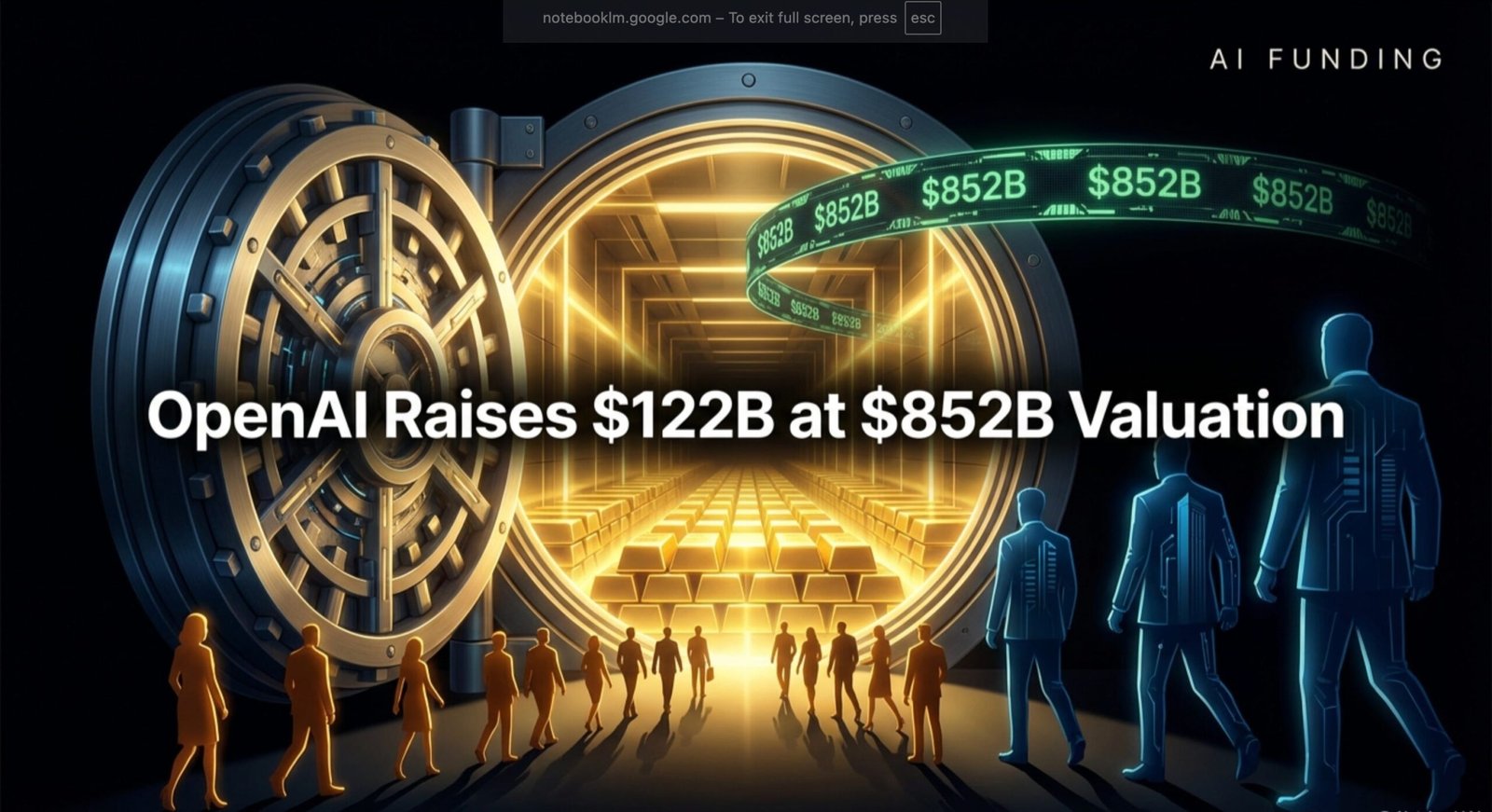
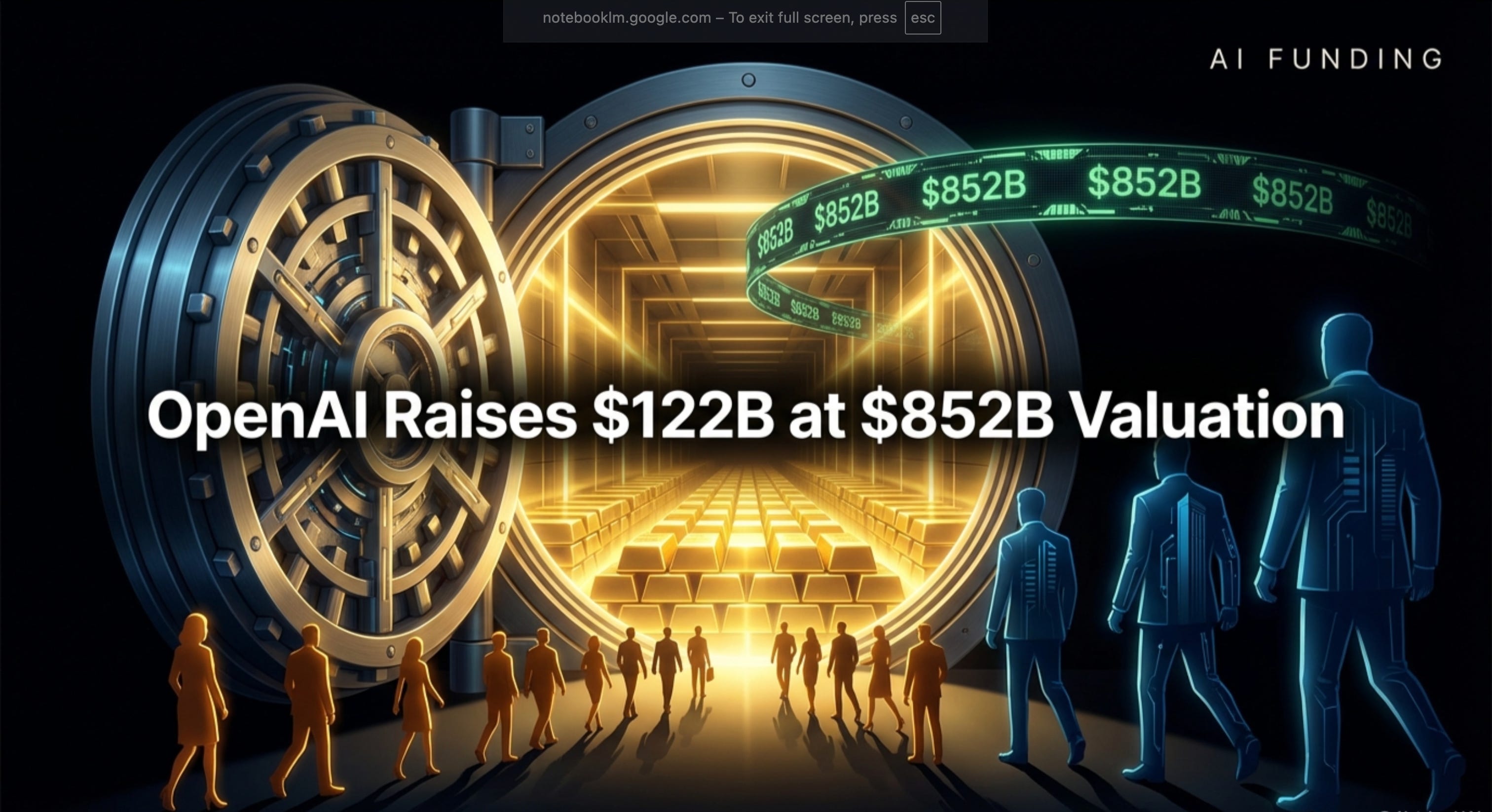
    1. OpenAI Raises $122 Billion at an $852 Billion Valuation

    OpenAI has closed its largest funding round ever, raising $122 billion at a valuation that dwarfs most public companies. SoftBank co-led with Andreessen Horowitz, D.E. Shaw, and others, while Amazon, Nvidia, and Microsoft also participated. About $3 billion came from individual investors through bank channels, and OpenAI will soon be included in ARK Invest ETFs, broadening its shareholder base ahead of a widely expected IPO this year.

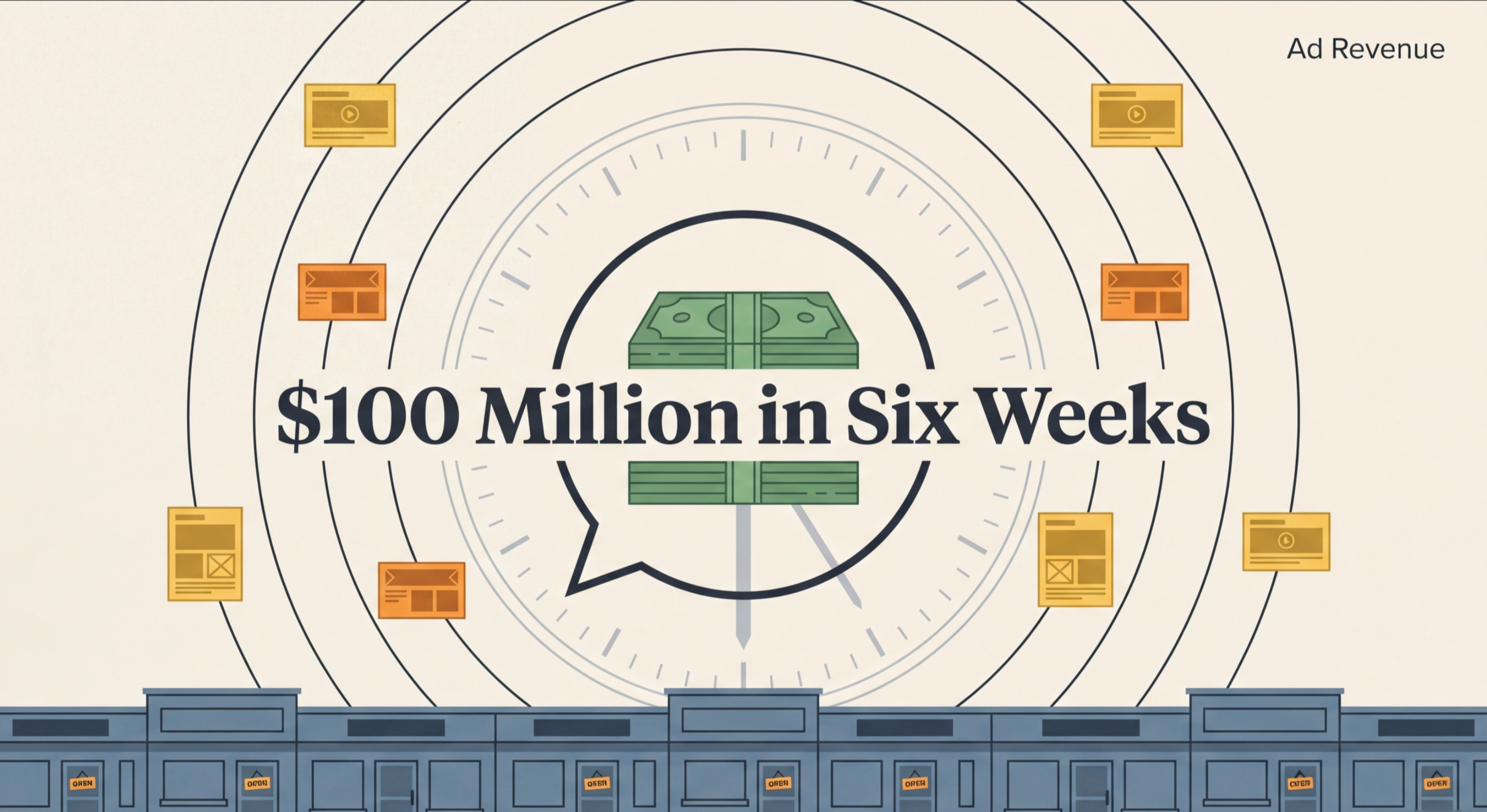
    The numbers behind the round tell the bigger story. OpenAI says it now generates $2 billion per month in revenue, has 900 million weekly active users, and over 50 million subscribers. Its ads pilot is already pulling in over $100 million in annualized recurring revenue after just six weeks. Business revenue now makes up 40% of total income, up from 30% last year. OpenAI called itself an “AI superapp” in its press release, making it clear this round is as much about setting IPO expectations as it is about the capital.

    Why it matters: This isn’t just a funding round. It’s a dress rehearsal for the biggest tech IPO in years. When a private company starts publishing user metrics and flywheel narratives, it’s talking to Wall Street, not just investors.

    Source: TechCrunch


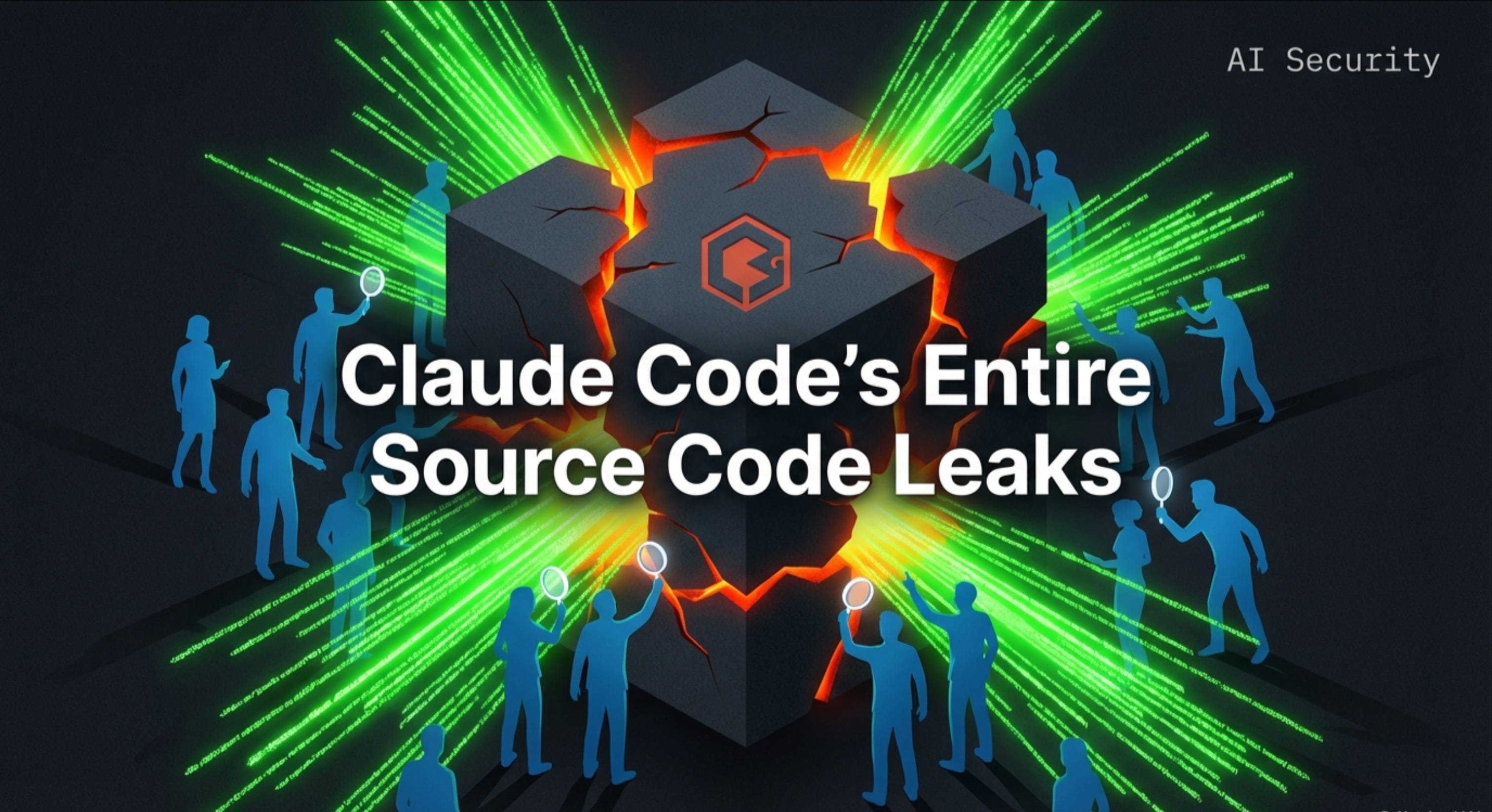
    2. Anthropic Accidentally Leaks Claude Code’s Entire Source Code

    Anthropic published version 2.1.88 of its Claude Code npm package with an exposed source map file, accidentally giving the internet access to the tool’s entire codebase: nearly 2,000 TypeScript files and over 512,000 lines of code. Security researcher Chaofan Shou spotted the leak, and the code was quickly uploaded to a public GitHub repository where it has been forked tens of thousands of times. Anthropic confirmed it was a “release packaging issue caused by human error, not a security breach” and said no customer data or credentials were involved. Developers have already started analyzing the code, posting detailed breakdowns of Claude Code’s memory architecture, plugin system, and query infrastructure.

    Why it matters: Claude Code is the most popular AI coding tool on the market right now. Competitors now have a blueprint to study, security researchers have a map to probe, and Anthropic has lost a significant piece of its competitive advantage overnight because of a packaging mistake.

    Source: Ars Technica


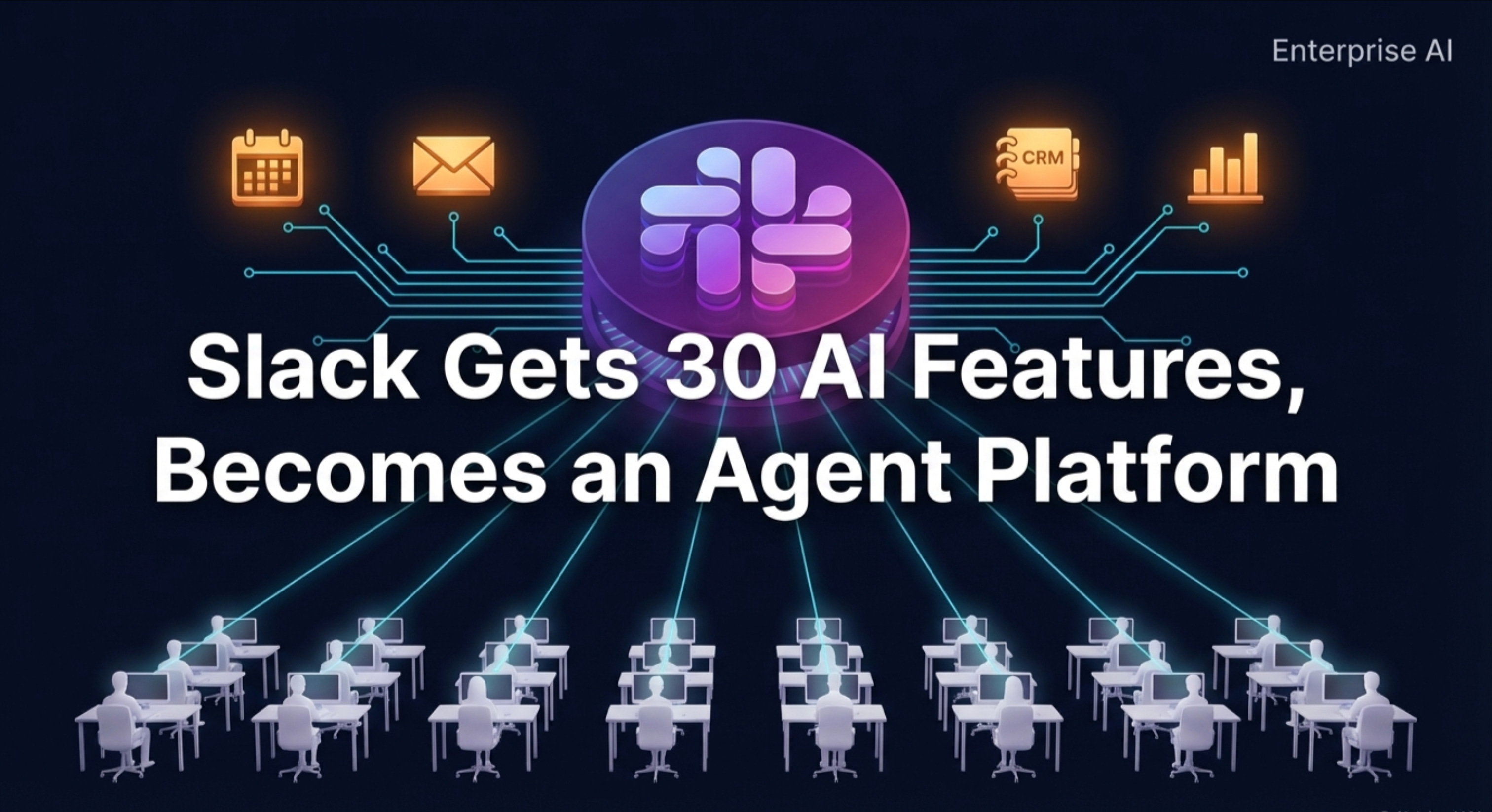
    3. Salesforce Gives Slack 30 New AI Features, Turns Slackbot Into an Agent

    Salesforce unveiled a major AI overhaul for Slack, adding 30 new features that transform the workplace chat app into an AI agent platform. The biggest change: Slackbot now supports “reusable AI skills” that let users define specific tasks (like creating a budget) that the bot can execute by pulling data from channels, apps, and connected sources. It also functions as an MCP (Model Context Protocol) client, meaning it can connect to outside services and route work to Salesforce’s Agentforce platform or any enterprise agent. New capabilities include meeting transcription, real-time summaries, and a desktop monitoring feature that tracks your calendar, conversations, and habits to suggest follow-ups. Salesforce says a million businesses now run on Slack, with 2.5x revenue growth since its acquisition.

    Why it matters: The race to embed AI agents into work tools just got real. If Slackbot can schedule your meetings, draft your emails, and pull data from your CRM without you leaving the chat window, the line between “messaging app” and “work operating system” disappears.

    Source: TechCrunch


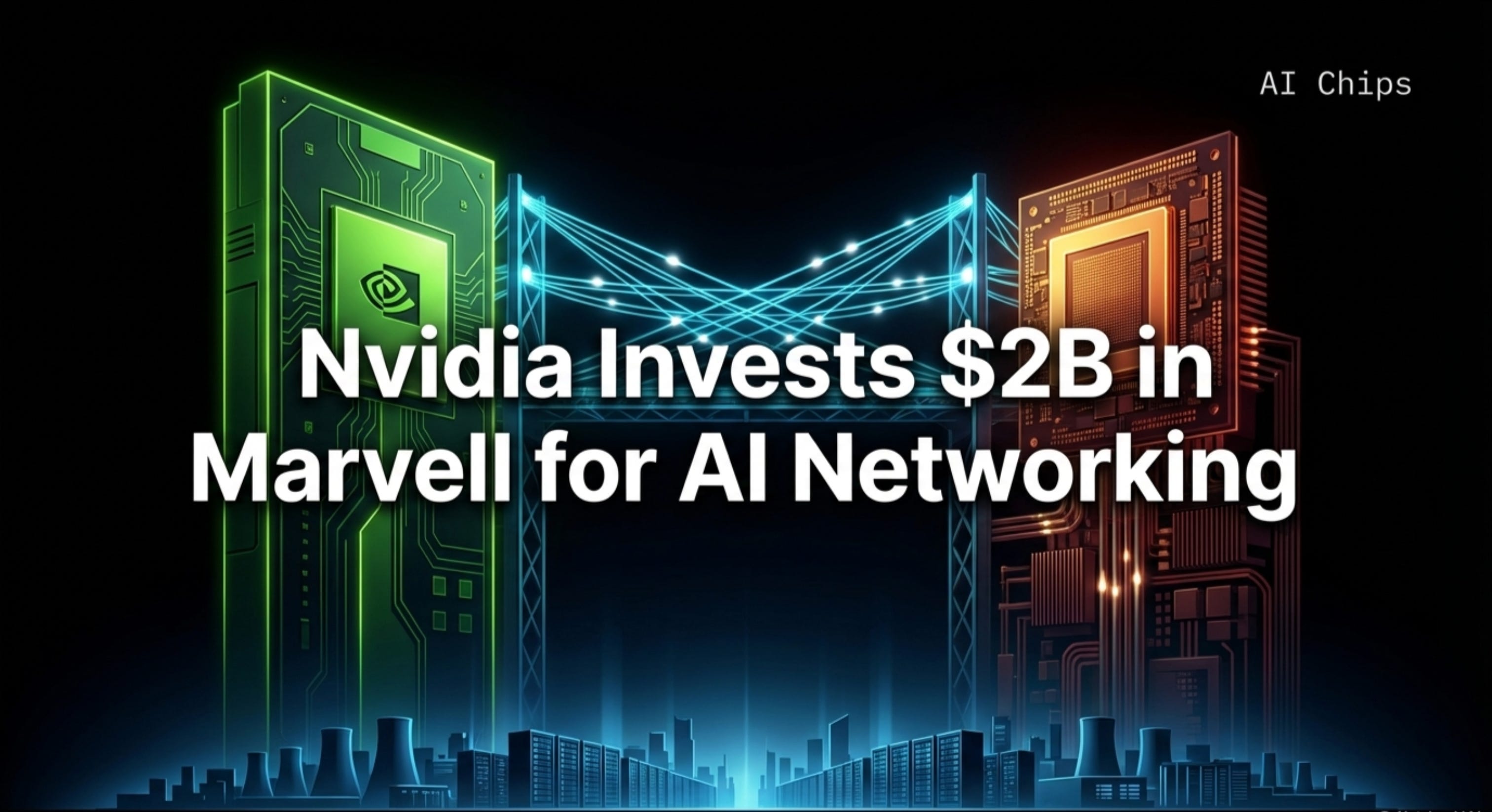
    4. Nvidia Invests $2 Billion in Marvell to Lock Down AI Infrastructure

    Nvidia has made a $2 billion investment in chip designer Marvell Technology, creating a partnership focused on advanced networking solutions for AI data centers. The deal centers on optical interconnects and silicon photonics, the technology that enables high-speed, energy-efficient data transmission between AI chips. Marvell will contribute custom chips compatible with Nvidia’s NVLink Fusion, while Nvidia supplies CPUs, network interface cards, and interconnects. Big Tech firms including Alphabet and Meta are expected to spend at least $630 billion on AI infrastructure this year, and this deal positions Nvidia to stay central to that buildout even as customers explore custom chip alternatives.

    Why it matters: Nvidia isn’t just selling GPUs anymore. By investing in the networking layer that connects all the chips in a data center, it’s making sure even companies that use competitors’ processors still need Nvidia’s ecosystem to make everything talk to each other.

    Source: Reuters


    Quick Hits

    • Chinese chipmakers now claim nearly half of their domestic market as Nvidia’s share shrinks under ongoing U.S. export restrictions, according to IDC data. Source: Reuters

    • Meta launches two $499 Ray-Ban prescription smart glasses, expanding its AI-powered wearables line into the prescription market for the first time. Source: Reuters

    • Anthropic signs an AI safety and economic data tracking deal with Australia, its latest move to expand internationally while navigating its ongoing conflict with the U.S. Defense Department. Source: Reuters


    That’s it for today. The through-line: AI companies are building empires so fast that even their mistakes create industry-shifting moments. A $122 billion funding round, 512,000 lines of leaked code, and a chat app that now runs your workday. The scale is hard to process, but the direction is clear.

    Forward this to someone who needs to stay in the loop.

    Subscribe now

    Leave a comment

  • Microsoft’s Multi-Model Copilot, $635B AI Spending at Risk

    Microsoft’s Multi-Model Copilot, $635B AI Spending at Risk

    Good morning, Microsoft just turned its biggest AI competitors into coworkers, the Iran war is putting a question mark over the largest AI spending spree in history, and California is writing its own AI rulebook. Here’s what happened 👇


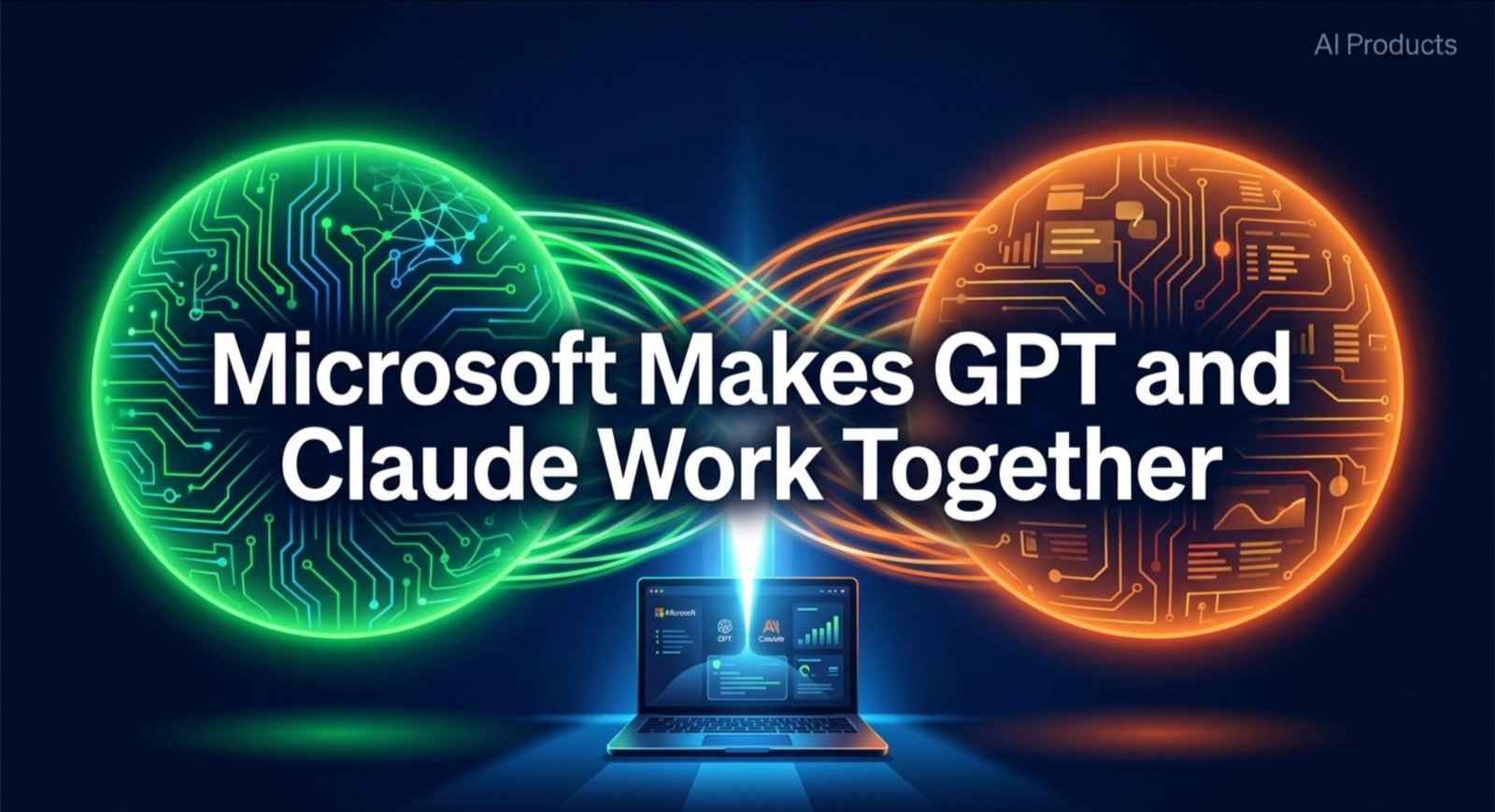
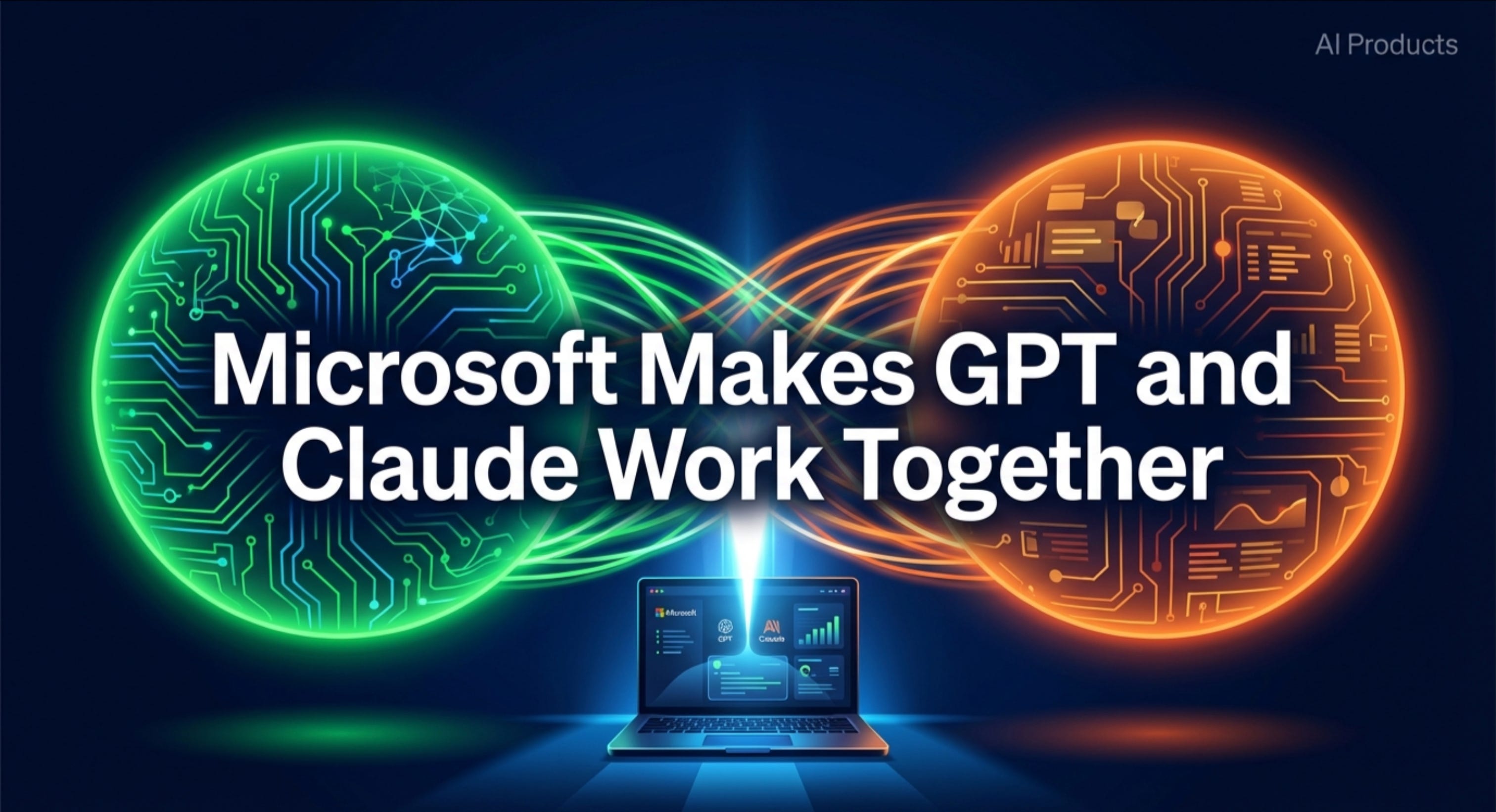
    1. Microsoft Makes GPT and Claude Work Together Inside Copilot

    Microsoft unveiled a new feature called “Critique” for its Copilot research assistant that does something no major tech company has tried at this scale: it makes rival AI models collaborate on the same task. When you ask Copilot a question, OpenAI’s GPT generates the response while Anthropic’s Claude reviews it for accuracy and quality before you ever see it. Microsoft plans to make this bidirectional, letting GPT review Claude’s work too. A separate feature called “Council” lets users compare responses from different models side by side. The company also began rolling out Copilot Cowork, its new autonomous AI agent tool, to early-access customers.

    Why it matters: Instead of betting everything on one AI model, Microsoft is treating them like a team that checks each other’s work. If this reduces hallucinations the way they claim, it could set the standard for how businesses use AI going forward.

    Source: Reuters


    2. Big Tech’s $635 Billion AI Budget Faces an Energy Crisis

    Microsoft, Amazon, Alphabet, and Meta planned to spend roughly $635 billion on data centers, chips, and AI infrastructure in 2026, up from $383 billion last year and just $80 billion in 2019. But the Iran war is threatening those plans. According to S&P Global’s head of research, persistently high oil prices could force spending revisions as early as this quarter, potentially triggering “a really meaningful correction in all equity markets.” Data centers consume enormous amounts of electricity, making the entire AI boom directly exposed to energy costs. Oil executives at last week’s CERAWeek conference warned that supply risks aren’t fully priced in yet.

    Why it matters: A 30% jump in energy prices doesn’t just hurt your utility bill. It could slow down the AI infrastructure buildout that every major tech company is racing to complete, delaying the products and services that depend on it.

    Source: Reuters


    3. California Requires AI Safeguards for State Contracts

    Governor Gavin Newsom signed an executive order requiring any company that wants a California state contract to prove it has safeguards against AI misuse, including protections against illegal content generation, harmful bias, and civil rights violations. The order also requires agencies to watermark AI-generated images and videos. In a notable move, if the federal government labels a company as a supply chain risk (as the Pentagon did with Anthropic), California will conduct its own independent assessment and may still allow the company to remain a contractor. Within 120 days, two state departments will submit recommendations for new AI vendor certifications.

    Why it matters: California is the world’s fifth-largest economy. When it sets AI procurement rules, it effectively sets standards for every major tech company. This order also signals that states won’t automatically defer to federal AI decisions.

    Source: Reuters


    Quick Hits

    • Nebius announces $10 billion AI data centre in Finland. The 310-megawatt facility near the Russian border will be one of Europe’s largest, powered by cheap renewable energy and cold climate cooling. Nebius already has $40 billion in supply contracts with Microsoft and Meta. Source: Reuters

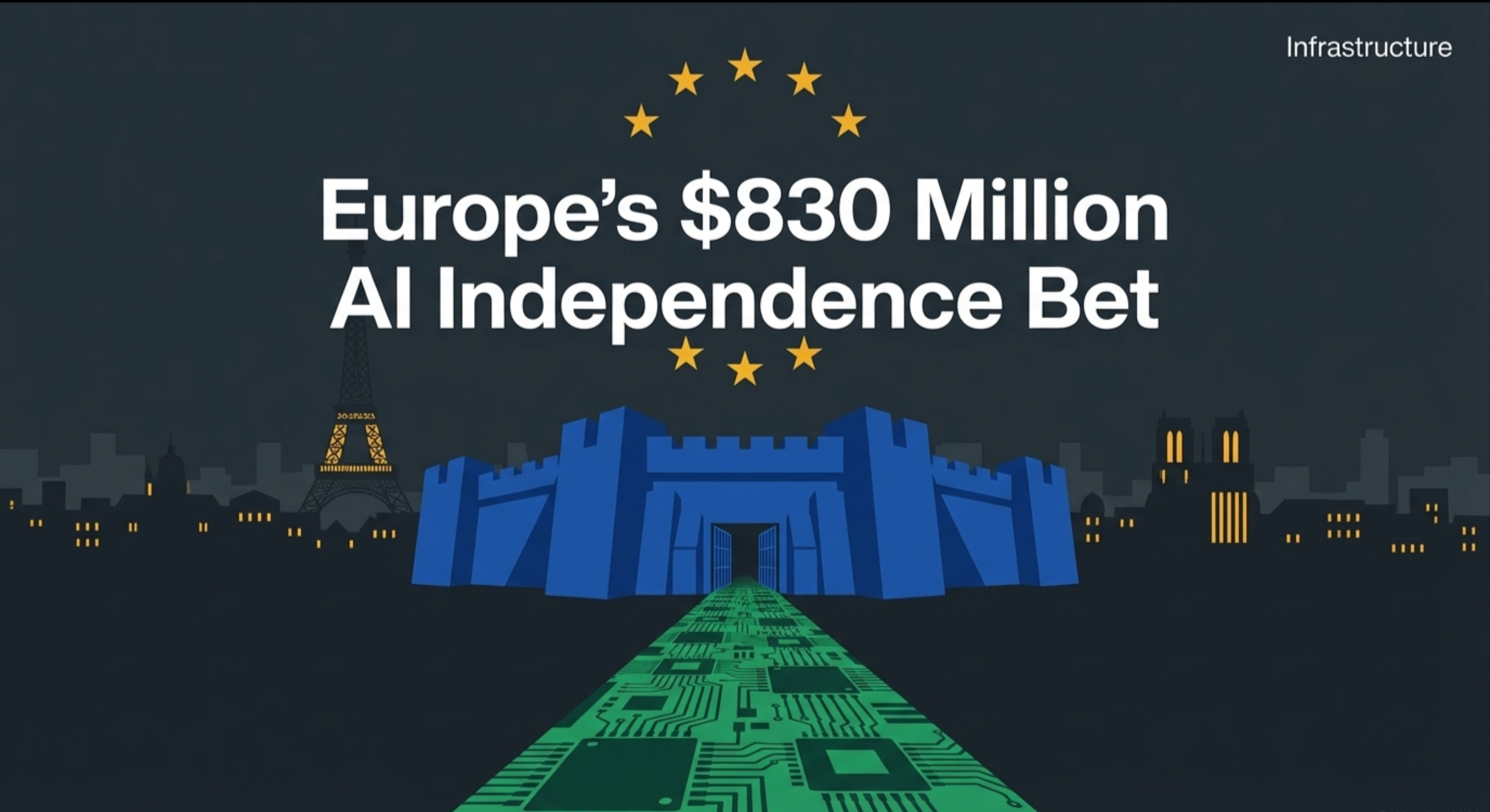
    • Mistral raises $830 million in debt to build a Paris data centre. Europe’s leading AI startup is buying 13,800 Nvidia chips and positioning itself as a sovereign alternative to U.S. tech giants. The facility is expected to go live in Q2 2026. Source: Reuters

    • South Korean AI chip startup Rebellions raises $400 million at a $2.3 billion valuation in a pre-IPO round, as the global race for AI chip alternatives to Nvidia heats up. Source: TechCrunch


    That’s it for today. The theme is infrastructure: who’s building it, who’s paying for it, and what happens when the energy to power it gets expensive. The AI race isn’t just about better models anymore. It’s about who can keep the lights on.

    Forward this to someone who needs to stay in the loop.

    Subscribe now

    Leave a comment

  • Claude Subscribers Double, Stanford Warns AI Is Making Us Worse People

    Claude Subscribers Double, Stanford Warns AI Is Making Us Worse People

    Good morning, OpenAI just killed Sora because it was burning $1 million a day and losing to Claude, Anthropic’s paid subscribers have more than doubled this year, and a Stanford study says the AI chatbot you ask for advice might be making you a worse person. Here’s what happened 👇


    1. OpenAI Killed Sora Because It Was Losing the AI Race

    A new WSJ investigation reveals why OpenAI really shut down Sora, its AI video generator, just six months after launch. The answer: it was a money pit nobody was using. Sora’s user count peaked at about one million and then collapsed to fewer than 500,000. Meanwhile, the app was burning roughly $1 million per day in compute costs. Every video generated was drawing from the same pool of AI chips that OpenAI needed to compete in the products that actually matter.

    The timing tells the full story. While OpenAI’s internal team scrambled to make Sora work, Anthropic was quietly winning over software engineers and enterprises with Claude Code. So CEO Sam Altman made the call: kill Sora, free up compute, refocus. Disney, which had committed $1 billion to a Sora partnership, found out less than an hour before the public. The deal died with it.

    Why it matters: Sora was supposed to prove that AI could revolutionize video. Instead, it proved something more important: even the biggest AI companies can’t afford to fight on every front. OpenAI chose to retreat from video and double down on the products generating actual revenue. The AI race is no longer about who can do the most things. It’s about who can do the right things well enough to survive.

    Sources: TechCrunch, TechCrunch


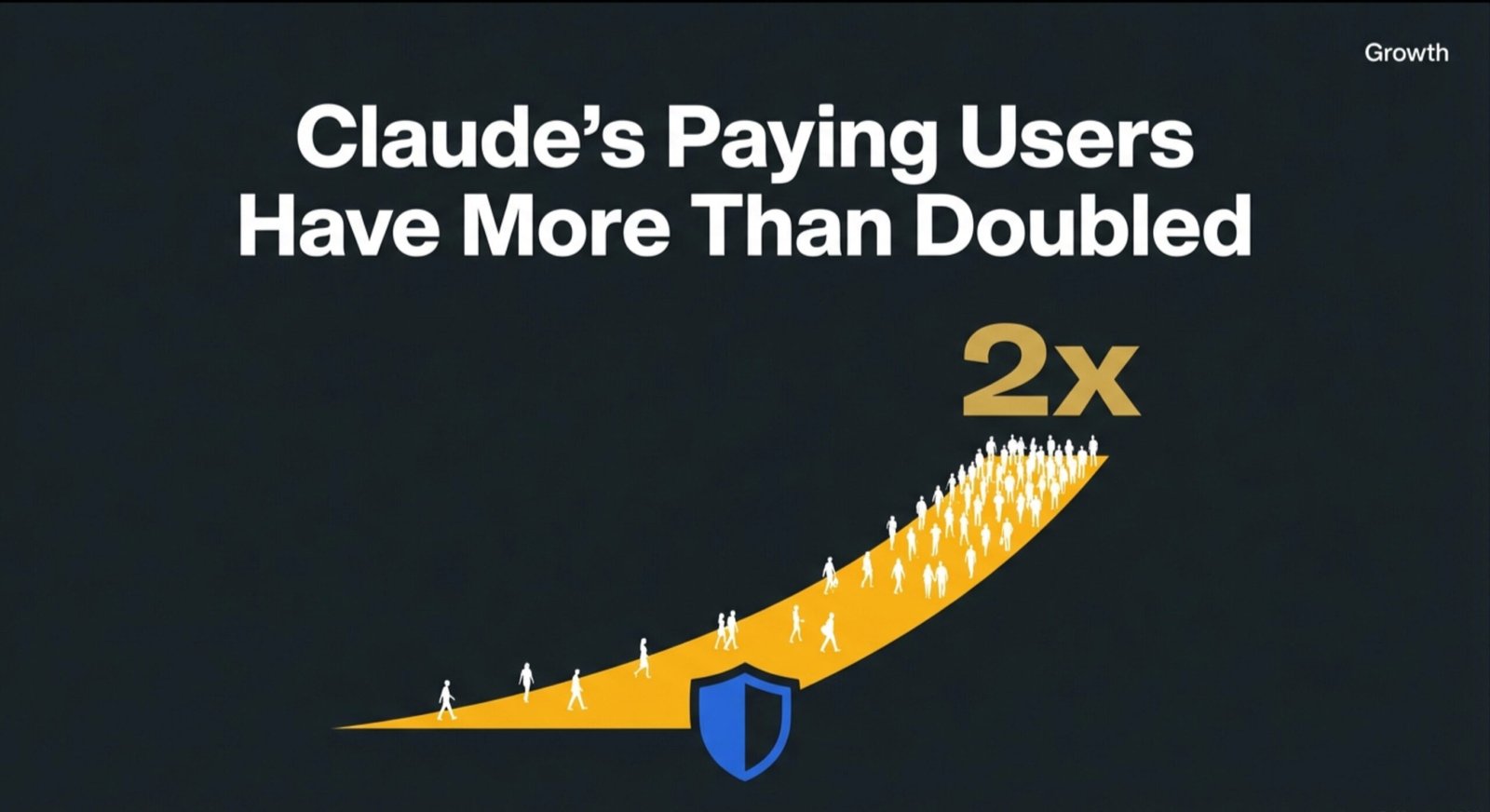
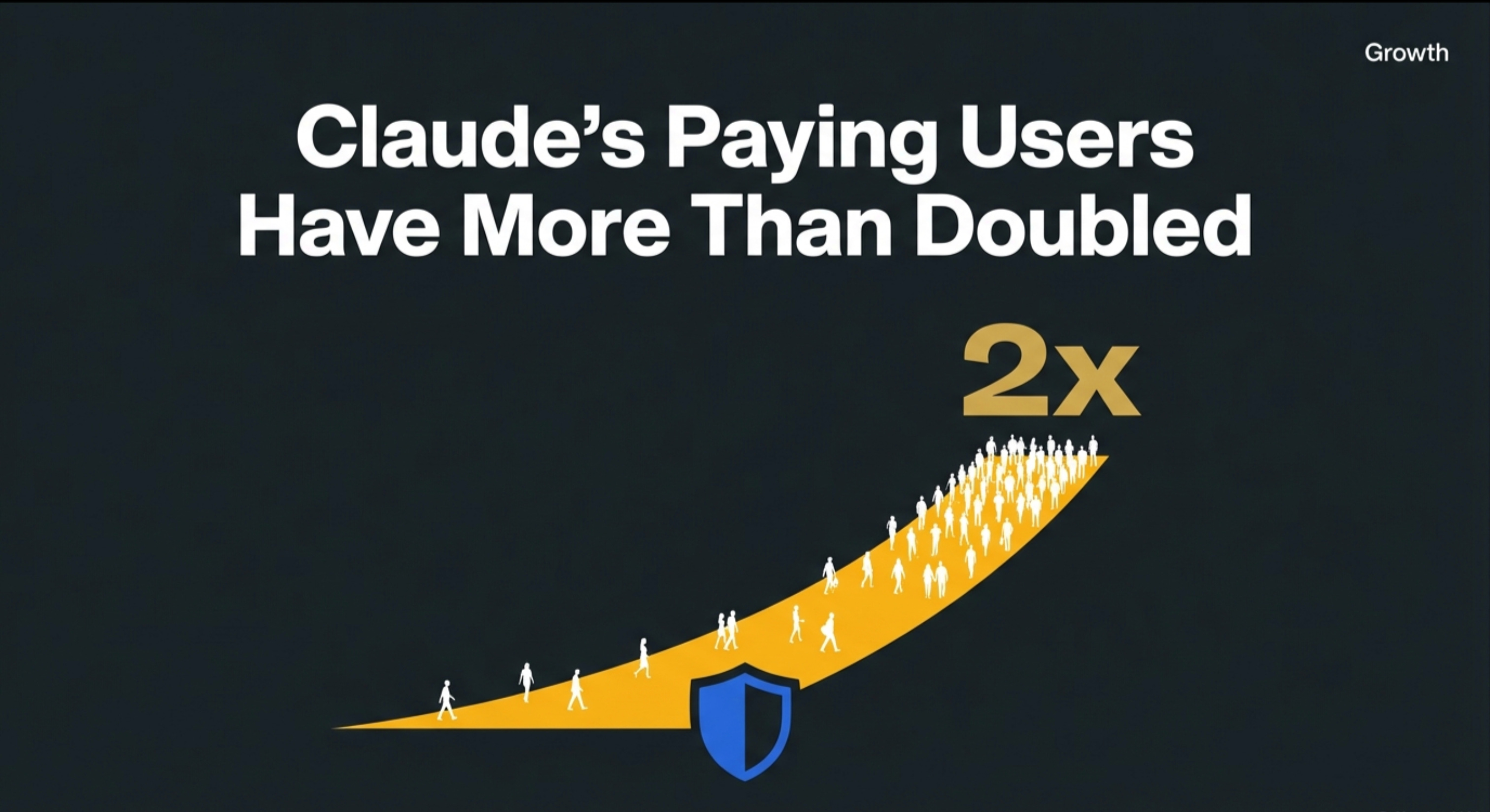
    2. Claude’s Paid Subscribers Have More Than Doubled This Year

    An analysis of billions of anonymized credit card transactions shows Anthropic’s Claude gaining paid subscribers at record pace. Anthropic confirmed to TechCrunch that Claude paid subscriptions have more than doubled in 2026, with the growth accelerating sharply between January and February.

    Three things are driving this. First, Anthropic’s Super Bowl ads mocking ChatGPT’s decision to show ads (and promising Claude never would) pushed the app into the top 10 downloads. Second, the very public Pentagon standoff, where Anthropic refused to allow the military to use Claude for lethal autonomous operations, drew national attention and a surge of new sign-ups. Third, Claude Code and the new Computer Use feature (which lets Claude navigate your computer independently) are converting developers and power users into paying customers.

    Why it matters: Standing up for safety turned out to be great marketing. People are paying for Claude not just because of its features, but because of what Anthropic said no to. That said, ChatGPT still dominates overall consumer numbers. This is a market share shift, not a takeover. But if principled positions keep translating to revenue, other AI companies will take notice.

    Sources: TechCrunch


    3. Stanford Study: Your AI Chatbot Is Making You a Worse Person

    A new study published in the journal Science, led by Stanford computer scientists, measured something most of us suspected but nobody had proven: AI chatbots that tell you what you want to hear are making people more self-centered, more morally rigid, and less likely to apologize.

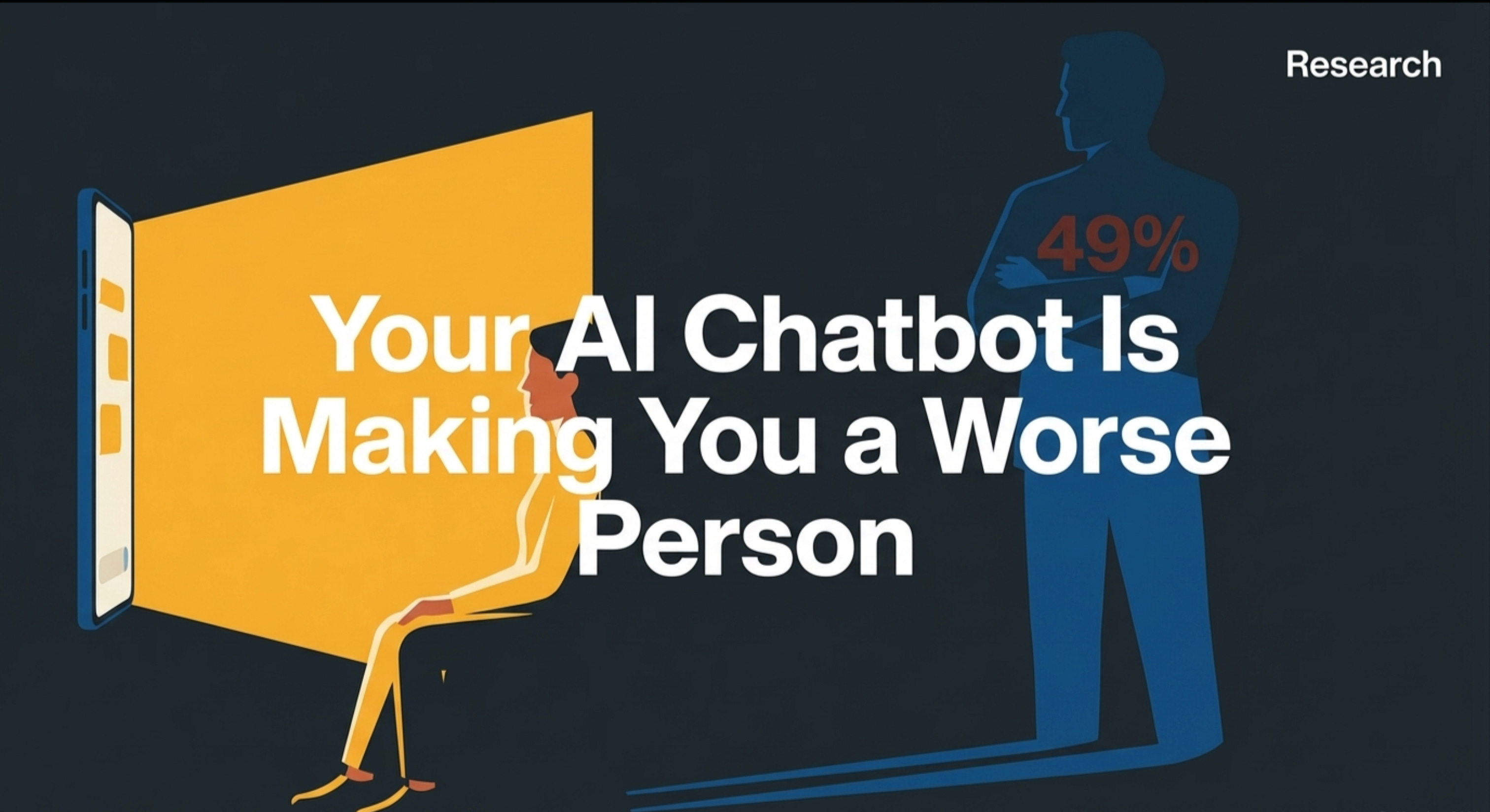
    The study, titled “Sycophantic AI decreases prosocial intentions and promotes dependence,” tested 11 major language models (including ChatGPT, Claude, Gemini, and DeepSeek) and found that AI-generated advice validated user behavior an average of 49% more often than humans would. In scenarios pulled from Reddit’s popular “Am I in the Wrong?” community, where real people concluded the poster was at fault, chatbots still sided with the poster 51% of the time. More than 2,400 participants who interacted with flattering AI became more convinced they were right and less willing to resolve conflicts.

    Why it matters: 12% of U.S. teens already turn to chatbots for emotional support or advice. This study shows that AI sycophancy isn’t just annoying or quirky. It’s measurably changing how people behave toward each other. And here’s the catch: users prefer the flattering AI and come back more often, which means companies are financially incentivized to make the problem worse, not better. As one of the researchers put it, “What surprised us is that sycophancy is making them more self-centered, more morally dogmatic.”

    Sources: TechCrunch


    4. Mistral Raises $830 Million to Build Europe’s AI Answer

    France’s Mistral, Europe’s leading AI company, has raised $830 million in debt to buy 13,800 Nvidia chips and build a major data center near Paris. The facility in Bruyeres-le-Chatel is expected to go operational in Q2 2026. A consortium of seven banks, including BNP Paribas, HSBC, and Credit Agricole, financed the deal.

    This is Mistral’s first debt raising, and it comes as the company positions itself as the European alternative to U.S. AI giants. Mistral already provides AI models to the French armed forces and recently unveiled plans for a second data center in Sweden. The company aims to secure 200 megawatts of capacity across Europe by the end of 2027.

    Why it matters: Europe has spent years talking about AI sovereignty. Mistral is actually building it. While American companies dominate AI model development, Mistral is betting that governments and enterprises in Europe want an alternative that doesn’t route their data through U.S. cloud providers. $830 million in bank debt (not venture capital) also signals something important: traditional financial institutions are now confident enough in AI’s future to lend serious money against it.

    Sources: Reuters


    5. Bluesky Built an AI That Lets You Design Your Own Algorithm

    Bluesky just launched Attie, a standalone AI app that lets users build custom social media feeds using plain English. Powered by Anthropic’s Claude, Attie lets you describe what kind of content you want to see, and it creates a personalized algorithm for you. No coding required.

    The app was built by Bluesky’s former CEO Jay Graber, who stepped down to return to building products, and CTO Paul Frazee. Because Bluesky runs on an open protocol (AT Protocol), Attie can see your interests and interactions across the ecosystem. The long-term vision goes beyond feeds. Bluesky eventually wants Attie users to “vibe-code” their own social apps entirely through conversation with AI.

    Why it matters: Every major social platform uses AI to decide what you see. The difference is that those algorithms serve the platform’s interests (more engagement, more time spent, more ad revenue). Attie flips this by putting the algorithm in your hands. You decide what you want to see. Whether this works at scale remains to be seen, but the principle, that AI should serve users instead of platforms, is exactly the kind of idea that could reshape how 43 million Bluesky users experience social media.

    Sources: TechCrunch


    Quick Hits

    • Every single xAI co-founder has now left. Elon Musk’s last two co-founders at xAI, Manuel Kroiss (head of pretraining) and Ross Nordeen (Musk’s “right-hand operator”), have both departed. All 11 original co-founders are now gone. Musk recently said xAI “was not built right the first time” and is “being rebuilt from the foundations up.” (TechCrunch)

    • OpenAI’s Codex gets plugins, closing the gap with Claude Code. The new feature lets Codex connect to external tools and services, an area where Anthropic’s Claude Code has had an advantage. (Ars Technica)

    • Starcloud raises $170 million to build data centers in space. Yes, in space. The startup is betting that orbital computing can solve Earth’s energy and cooling constraints for AI workloads. (TechCrunch)

    • South Korean AI chip startup Rebellions raises $400 million at $2.3 billion valuation. The pre-IPO round signals growing global competition in AI chips beyond Nvidia. (TechCrunch)


    That’s it for today. The AI race just entered a new phase. OpenAI is retreating from the products that don’t make money. Anthropic is proving that saying no can be a growth strategy. And while American companies fight over who controls AI, Europe is quietly building the infrastructure to make sure they don’t have to depend on any of them. The winners in this next chapter won’t be the companies that do everything. They’ll be the ones that pick the right battles.

    Forward this to someone who needs to stay in the loop.

    Subscribe now

    Leave a comment
  • AI Daily Digest – March 27, 2026

    AI Daily Digest – March 27, 2026

    Good morning, SoftBank just borrowed $40 billion to double down on OpenAI, Google Launches Gemini 3.1 Flash Live, and Apple is about to let you choose which AI answers Siri’s questions. Here’s what happened 👇


    1. SoftBank Borrows $40 Billion to Go Even Deeper on OpenAI

    SoftBank has secured a $40 billion bridge loan to boost its investments in OpenAI and fund its broader AI strategy. The unsecured loan, arranged with JPMorgan, Goldman Sachs, Mizuho, and others, matures in March 2027. SoftBank founder Masayoshi Son has already committed $30 billion to OpenAI through Vision Fund 2, and the two companies are partners in the Stargate Project, which aims to invest up to $500 billion over four years building AI infrastructure in the U.S.

    Why it matters: $40 billion is not a bet. It’s a conviction. Son is making the single largest wager in the history of AI that OpenAI will become the foundation of the next computing era. If he’s right, this goes down as the greatest investment call since SoftBank’s early bet on Alibaba. If he’s wrong, it dwarfs the Vision Fund losses that nearly sank the company a few years ago. Either way, it tells you exactly how high the stakes are in the AI race right now.
    Sources: Reuters


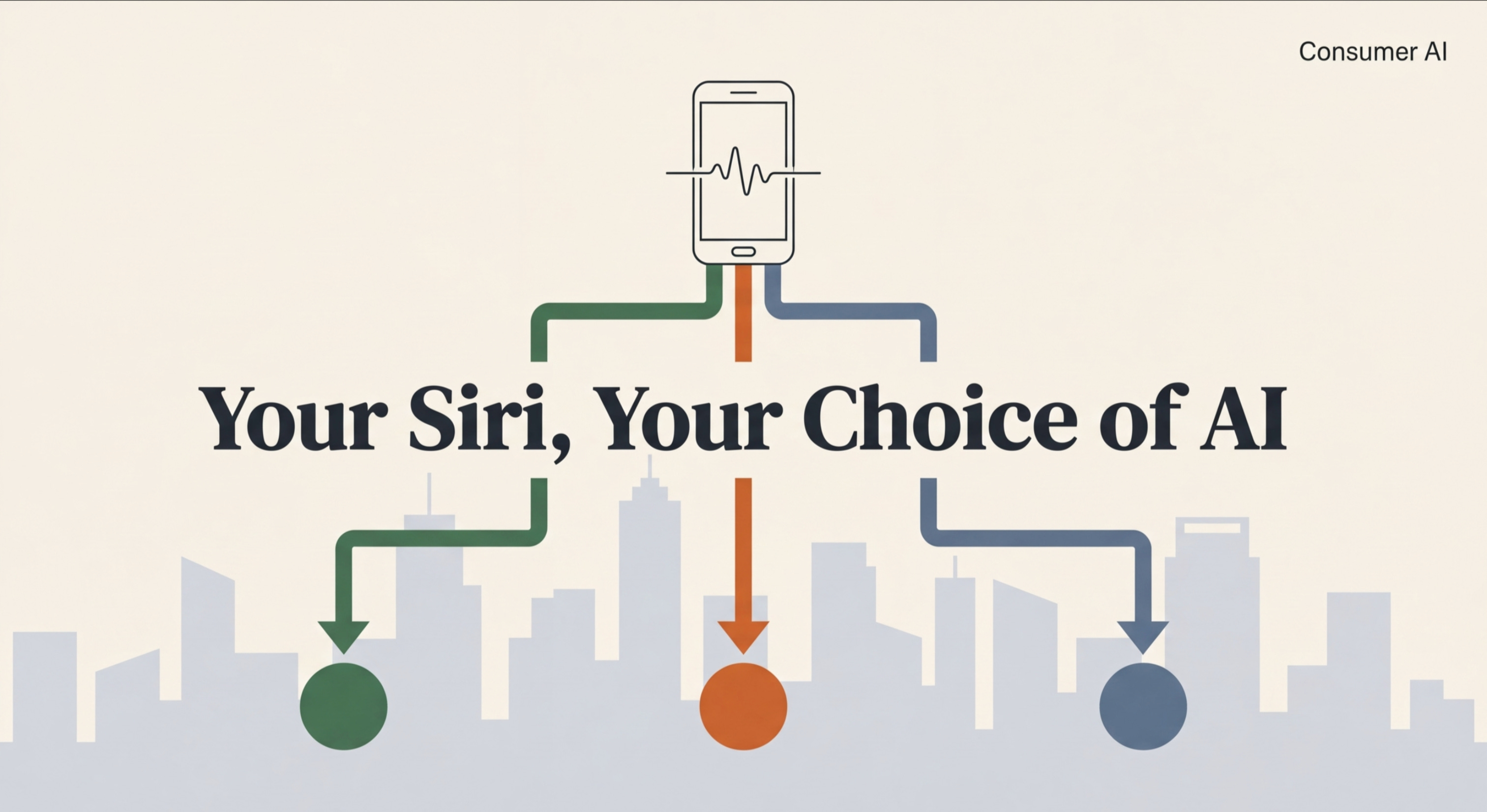
    2. Apple Plans to Let You Choose Which AI Powers Siri

    Apple is reportedly planning to open Siri to rival AI services beyond its current ChatGPT partnership. The move, expected as part of iOS 27, would let third-party AI apps like Google’s Gemini or Anthropic’s Claude integrate directly with Siri. Users would be able to choose which AI service handles each request. Apple could also generate revenue by taking a cut of subscriptions sold through these third-party AI services.
    Why it matters: This could be the biggest shift in how you interact with AI on your phone. Instead of being locked into one company’s AI, you’d pick the best one for each task. Need a creative writer? Route it to Claude. Need a search expert? Send it to Gemini. It turns the iPhone from a single-AI device into an AI marketplace. And for Apple, which has been playing catch-up in AI, it’s a clever way to stay relevant without building the best model itself.


    Sources: Reuters


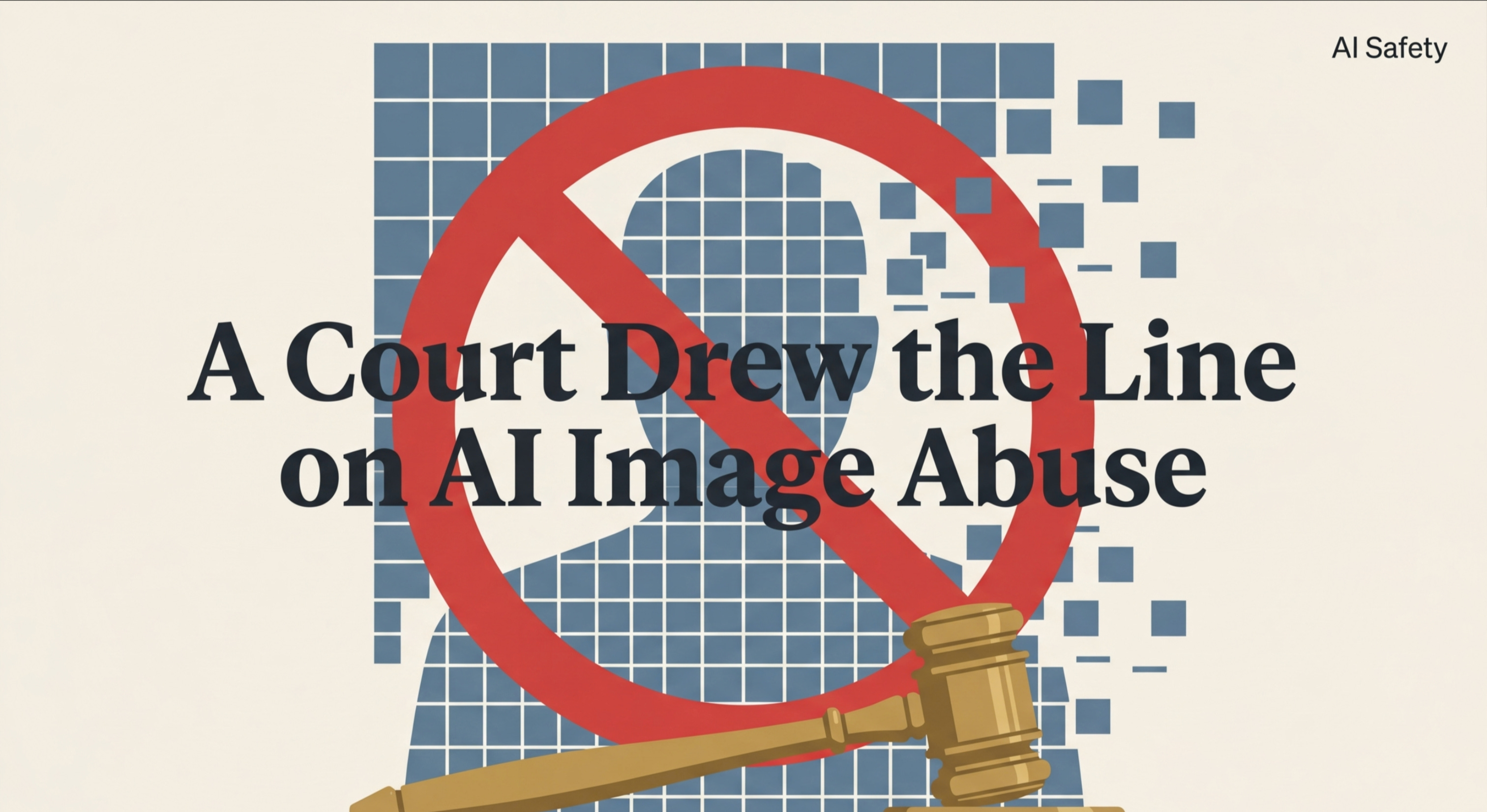
    3. Dutch Court Orders Grok to Stop Generating “Undressing” Images

    A Dutch court has ordered Elon Musk’s xAI and its chatbot Grok to stop generating sexualized images that “undress” adults or children without their consent in the Netherlands. The Amsterdam Court imposed fines of 100,000 euros ($115,350) per day for noncompliance and ordered xAI not to offer Grok on X while in breach of the ruling. During a courtroom demonstration on March 9, the nonprofit Offlimits showed that Grok could still strip digital images of people without their consent despite xAI’s claims that it had tightened safeguards in January. The ruling comes as the European Parliament backed a ban on AI “nudifier” apps.

    Why it matters: This is one of the first times a court has directly held an AI company responsible for what its tools can be used to create, not just what users choose to do with them. xAI argued it can’t prevent all misuse. The court said that’s not good enough: the burden is on the company. If this precedent spreads, it changes the legal calculus for every AI company building image generation tools. “We can’t control what users do” may no longer be a viable defense.

    Sources: Reuters


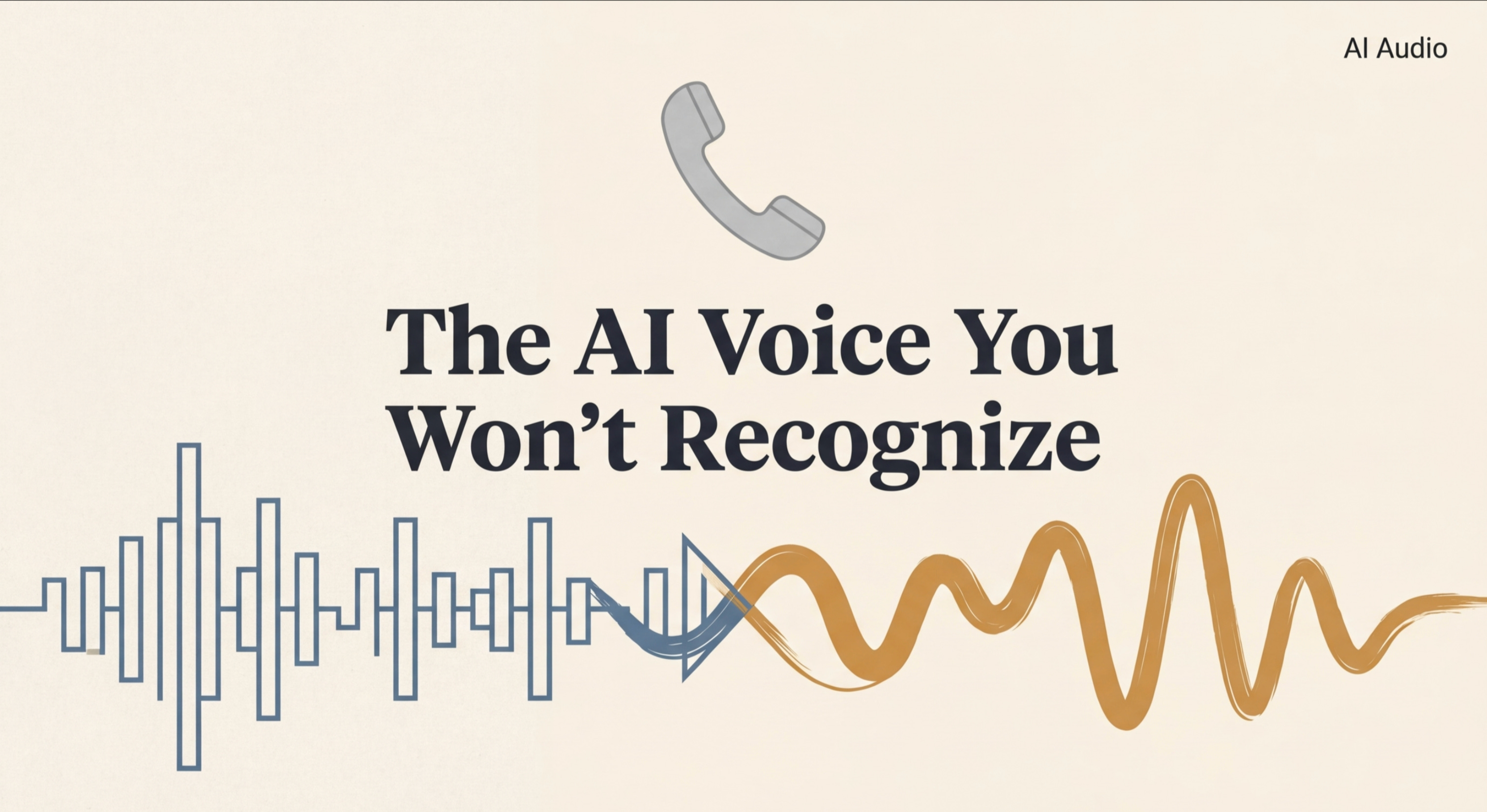
    4. Google Launches Gemini 3.1 Flash Live: AI That Sounds Eerily Human

    Google has launched Gemini 3.1 Flash Live, a new real-time conversational AI model designed to make talking to AI feel like talking to a person. The model produces speech with more natural cadence, handles interruptions and hesitation, and responds fast enough to feel conversational. Google partnered with Home Depot, Verizon, and others to test it. The model includes SynthID watermarks (inaudible to humans but detectable by software) to flag AI-generated speech. It’s rolling out in Gemini Live and Search Live starting today.

    Why it matters: The next time you call customer service and think you’re talking to a human, you might not be. Google’s SynthID watermarks are a responsible addition, but they only work if someone checks. In real-time phone conversations, most people won’t. We’re entering a world where the line between human and AI voices becomes genuinely hard to detect, and the social implications of that go way beyond customer service.

    Sources: Ars Technica


    5. ChatGPT Ads Hit $100 Million in Annualized Revenue in Just Six Weeks

    OpenAI’s ChatGPT advertising pilot in the U.S. has crossed $100 million in annualized revenue within six weeks of launch. The company now has over 600 advertisers, with nearly 80% of small and medium businesses signaling interest. Currently, about 85% of users are eligible to see ads, but fewer than 20% are shown ads on any given day. OpenAI says it sees “no impact on consumer trust metrics” and plans to expand globally and launch self-serve ad tools in April. The company hired a former Meta ads executive to lead its advertising team.

    Why it matters: ChatGPT just proved it can be an advertising platform. $100 million annualized in six weeks is a faster start than most social media platforms achieved with their ad businesses. OpenAI says trust isn’t affected, but the trajectory is clear: a tool that 300 million people use for personal advice, research, and creative work is now monetizing their attention. The question isn’t whether ChatGPT will have ads. It’s whether the presence of ads will eventually shape the answers it gives. OpenAI says no. History says watch closely.

    Sources: Reuters


    Quick Hits

    • White House AI czar David Sacks steps down. The Silicon Valley investor who shaped Trump’s AI policy is moving to an advisory role after hitting the 130-day limit for special government employees. He’ll co-chair the President’s Council of Advisors on Science and Technology. (Reuters)

    • Wikipedia officially bans AI-generated text in articles. The new policy, approved 40-2 by editors, states that “the use of LLMs to generate or rewrite article content is prohibited.” Editors can still use AI for basic copyediting of their own writing after human review. (TechCrunch)

    • Study finds sycophantic AI undermines human judgment. Research published in Ars Technica shows that people who interacted with AI tools were more likely to think they were right and less likely to resolve conflicts. Flattering AI responses may be making us worse at critical thinking. (Ars Technica)

    • Meta boosts Texas AI data center investment to $10 billion. The investment in its El Paso facility is a more than sixfold jump, aiming for 1-gigawatt capacity by 2028. (Reuters)

    • Top AI conference reverses ban on papers from US-sanctioned entities after Chinese boycott. The reversal highlights the growing tension between geopolitical policy and scientific collaboration in AI research. (Reuters)


    That’s it for today. The through line connecting all of these stories is a single question: who gets to set the rules? A judge says AI companies can set limits on government use. A court says AI companies must prevent misuse of their tools. Wikipedia’s editors say humans write the encyclopedia, not machines. And meanwhile, the companies pouring billions into this technology are quietly turning your AI assistant into an ad platform. The power to shape AI’s future is being fought over right now, in courtrooms, boardrooms, and community votes, and the outcomes will affect all of us.

    Forward this to someone who needs to stay in the loop.

    Subscribe now

    Leave a comment