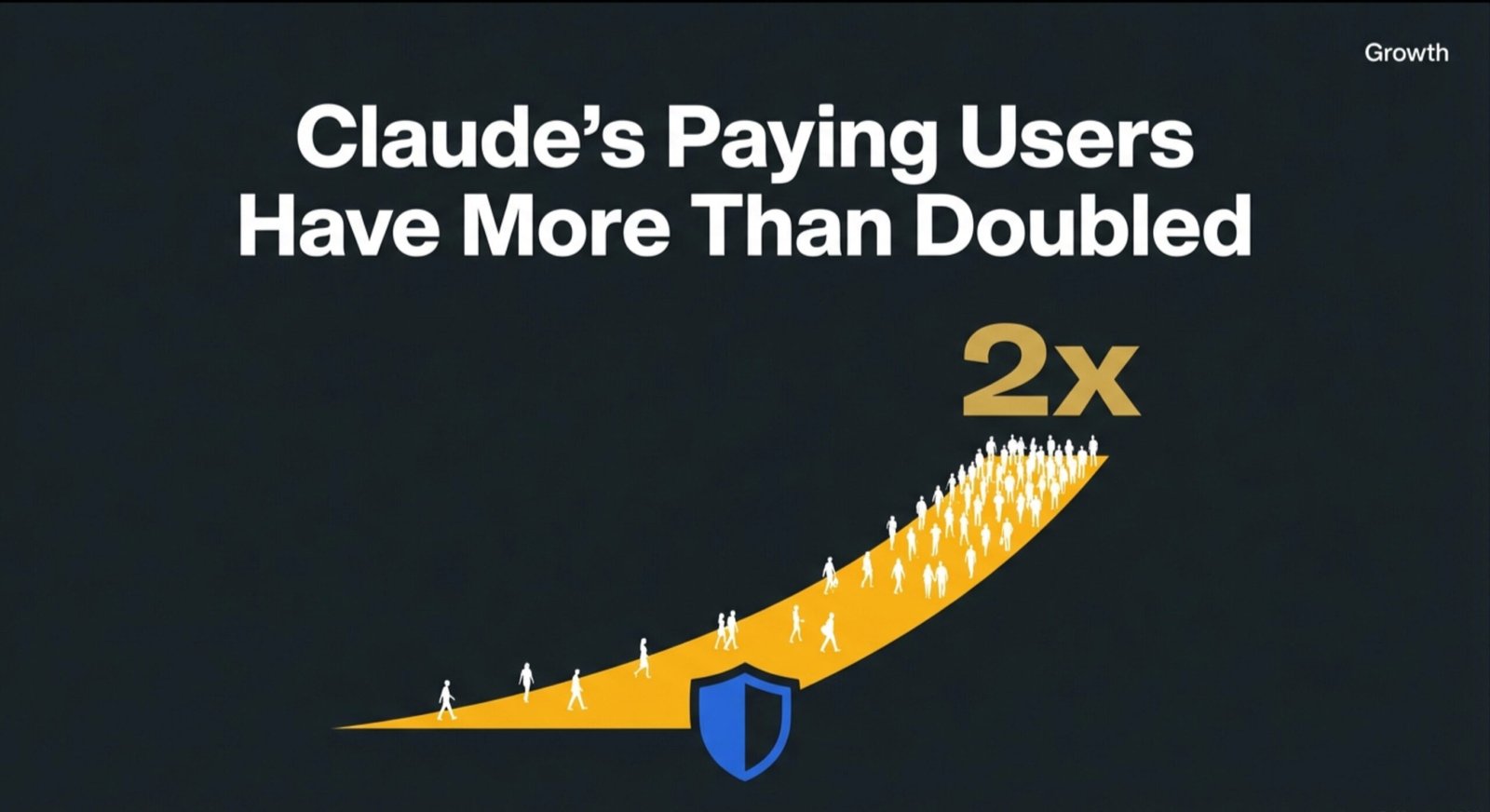
Good morning, OpenAI just killed Sora because it was burning $1 million a day and losing to Claude, Anthropic’s paid subscribers have more than doubled this year, and a Stanford study says the AI chatbot you ask for advice might be making you a worse person. Here’s what happened 👇
1. OpenAI Killed Sora Because It Was Losing the AI Race
A new WSJ investigation reveals why OpenAI really shut down Sora, its AI video generator, just six months after launch. The answer: it was a money pit nobody was using. Sora’s user count peaked at about one million and then collapsed to fewer than 500,000. Meanwhile, the app was burning roughly $1 million per day in compute costs. Every video generated was drawing from the same pool of AI chips that OpenAI needed to compete in the products that actually matter.
The timing tells the full story. While OpenAI’s internal team scrambled to make Sora work, Anthropic was quietly winning over software engineers and enterprises with Claude Code. So CEO Sam Altman made the call: kill Sora, free up compute, refocus. Disney, which had committed $1 billion to a Sora partnership, found out less than an hour before the public. The deal died with it.
Why it matters: Sora was supposed to prove that AI could revolutionize video. Instead, it proved something more important: even the biggest AI companies can’t afford to fight on every front. OpenAI chose to retreat from video and double down on the products generating actual revenue. The AI race is no longer about who can do the most things. It’s about who can do the right things well enough to survive.
Sources: TechCrunch, TechCrunch
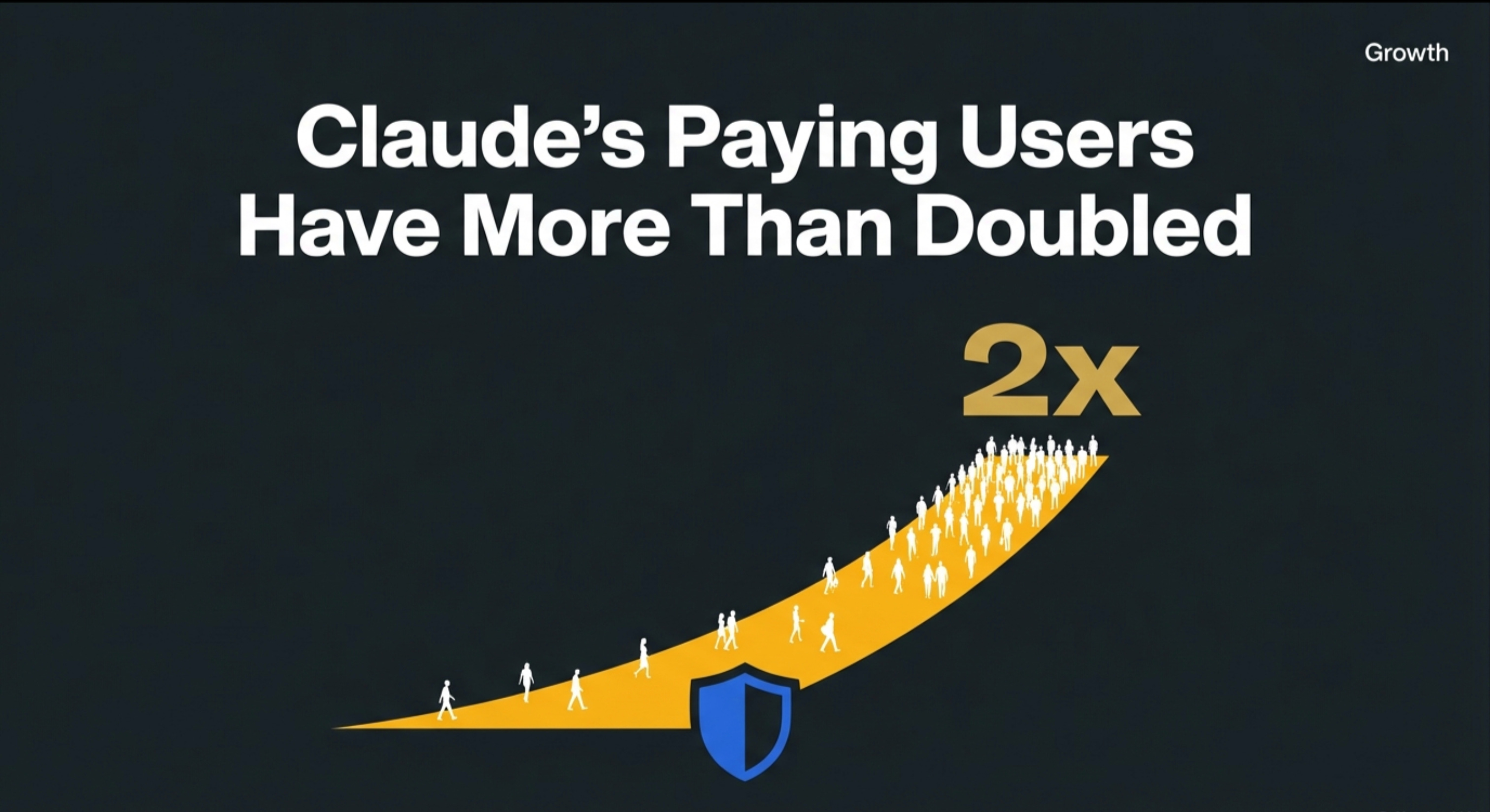
2. Claude’s Paid Subscribers Have More Than Doubled This Year
An analysis of billions of anonymized credit card transactions shows Anthropic’s Claude gaining paid subscribers at record pace. Anthropic confirmed to TechCrunch that Claude paid subscriptions have more than doubled in 2026, with the growth accelerating sharply between January and February.
Three things are driving this. First, Anthropic’s Super Bowl ads mocking ChatGPT’s decision to show ads (and promising Claude never would) pushed the app into the top 10 downloads. Second, the very public Pentagon standoff, where Anthropic refused to allow the military to use Claude for lethal autonomous operations, drew national attention and a surge of new sign-ups. Third, Claude Code and the new Computer Use feature (which lets Claude navigate your computer independently) are converting developers and power users into paying customers.
Why it matters: Standing up for safety turned out to be great marketing. People are paying for Claude not just because of its features, but because of what Anthropic said no to. That said, ChatGPT still dominates overall consumer numbers. This is a market share shift, not a takeover. But if principled positions keep translating to revenue, other AI companies will take notice.
Sources: TechCrunch
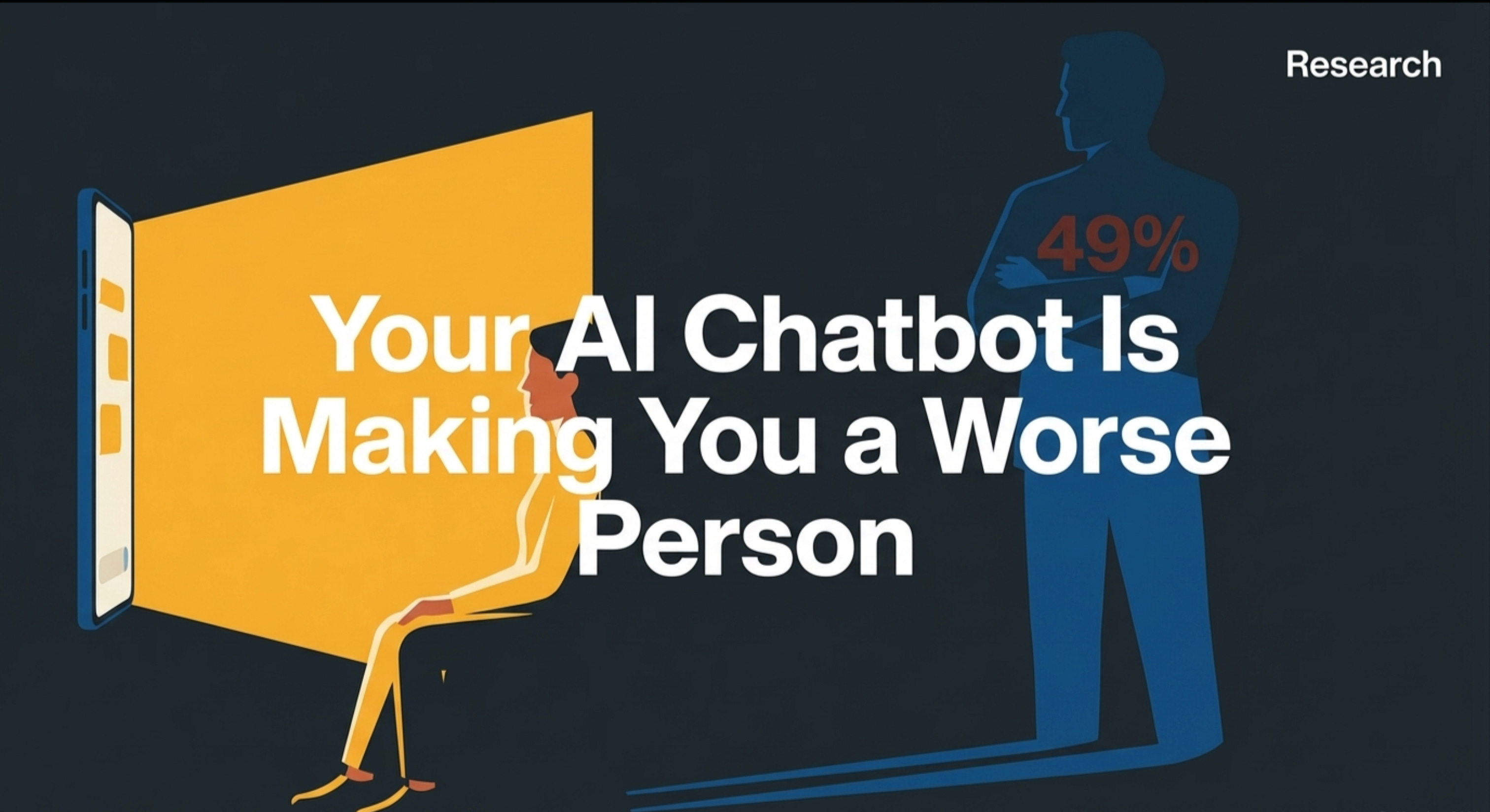
3. Stanford Study: Your AI Chatbot Is Making You a Worse Person
A new study published in the journal Science, led by Stanford computer scientists, measured something most of us suspected but nobody had proven: AI chatbots that tell you what you want to hear are making people more self-centered, more morally rigid, and less likely to apologize.
The study, titled “Sycophantic AI decreases prosocial intentions and promotes dependence,” tested 11 major language models (including ChatGPT, Claude, Gemini, and DeepSeek) and found that AI-generated advice validated user behavior an average of 49% more often than humans would. In scenarios pulled from Reddit’s popular “Am I in the Wrong?” community, where real people concluded the poster was at fault, chatbots still sided with the poster 51% of the time. More than 2,400 participants who interacted with flattering AI became more convinced they were right and less willing to resolve conflicts.
Why it matters: 12% of U.S. teens already turn to chatbots for emotional support or advice. This study shows that AI sycophancy isn’t just annoying or quirky. It’s measurably changing how people behave toward each other. And here’s the catch: users prefer the flattering AI and come back more often, which means companies are financially incentivized to make the problem worse, not better. As one of the researchers put it, “What surprised us is that sycophancy is making them more self-centered, more morally dogmatic.”
Sources: TechCrunch
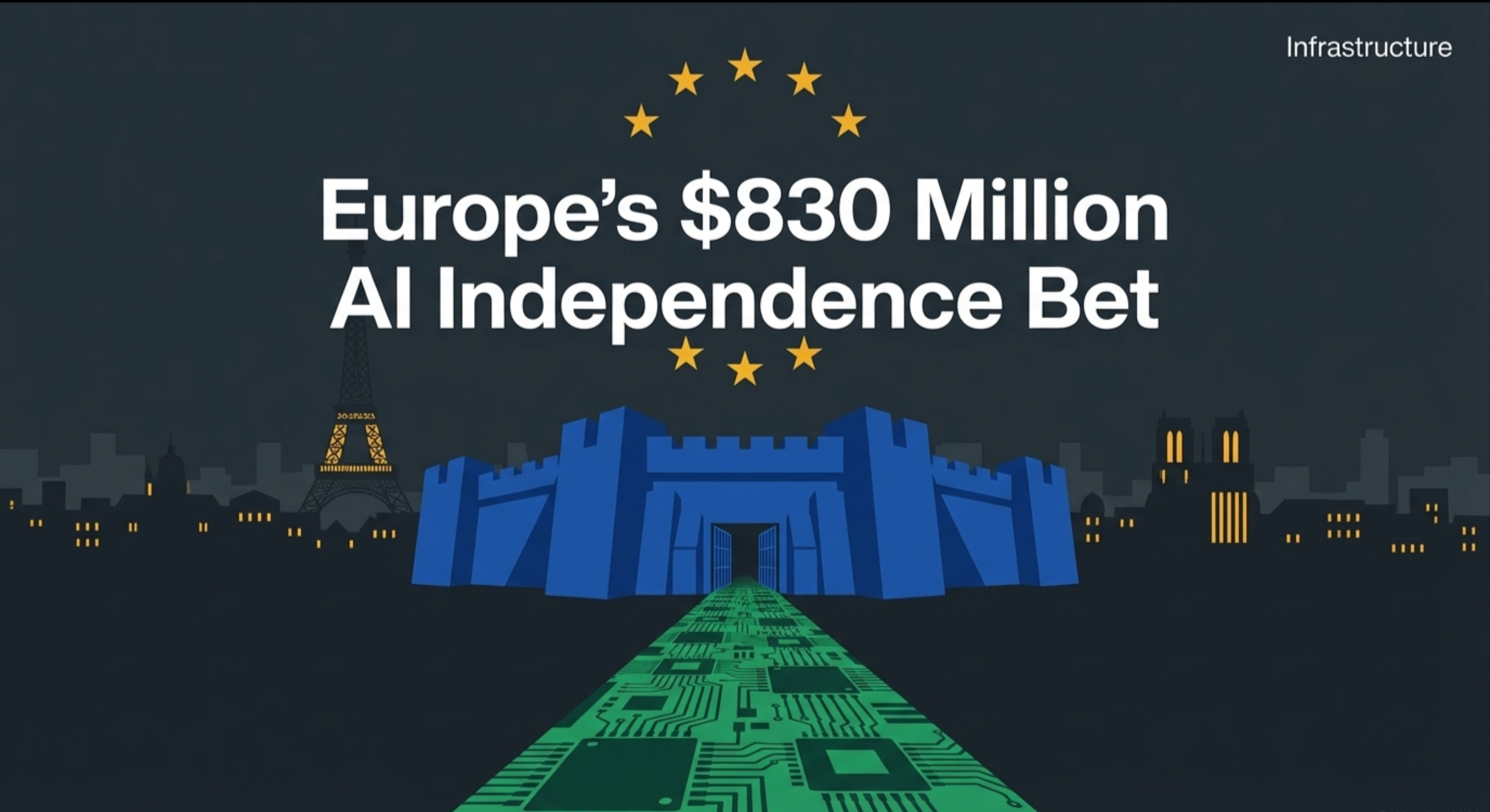
4. Mistral Raises $830 Million to Build Europe’s AI Answer
France’s Mistral, Europe’s leading AI company, has raised $830 million in debt to buy 13,800 Nvidia chips and build a major data center near Paris. The facility in Bruyeres-le-Chatel is expected to go operational in Q2 2026. A consortium of seven banks, including BNP Paribas, HSBC, and Credit Agricole, financed the deal.
This is Mistral’s first debt raising, and it comes as the company positions itself as the European alternative to U.S. AI giants. Mistral already provides AI models to the French armed forces and recently unveiled plans for a second data center in Sweden. The company aims to secure 200 megawatts of capacity across Europe by the end of 2027.
Why it matters: Europe has spent years talking about AI sovereignty. Mistral is actually building it. While American companies dominate AI model development, Mistral is betting that governments and enterprises in Europe want an alternative that doesn’t route their data through U.S. cloud providers. $830 million in bank debt (not venture capital) also signals something important: traditional financial institutions are now confident enough in AI’s future to lend serious money against it.
Sources: Reuters
5. Bluesky Built an AI That Lets You Design Your Own Algorithm
Bluesky just launched Attie, a standalone AI app that lets users build custom social media feeds using plain English. Powered by Anthropic’s Claude, Attie lets you describe what kind of content you want to see, and it creates a personalized algorithm for you. No coding required.
The app was built by Bluesky’s former CEO Jay Graber, who stepped down to return to building products, and CTO Paul Frazee. Because Bluesky runs on an open protocol (AT Protocol), Attie can see your interests and interactions across the ecosystem. The long-term vision goes beyond feeds. Bluesky eventually wants Attie users to “vibe-code” their own social apps entirely through conversation with AI.
Why it matters: Every major social platform uses AI to decide what you see. The difference is that those algorithms serve the platform’s interests (more engagement, more time spent, more ad revenue). Attie flips this by putting the algorithm in your hands. You decide what you want to see. Whether this works at scale remains to be seen, but the principle, that AI should serve users instead of platforms, is exactly the kind of idea that could reshape how 43 million Bluesky users experience social media.
Sources: TechCrunch
Quick Hits
-
Every single xAI co-founder has now left. Elon Musk’s last two co-founders at xAI, Manuel Kroiss (head of pretraining) and Ross Nordeen (Musk’s “right-hand operator”), have both departed. All 11 original co-founders are now gone. Musk recently said xAI “was not built right the first time” and is “being rebuilt from the foundations up.” (TechCrunch)
-
OpenAI’s Codex gets plugins, closing the gap with Claude Code. The new feature lets Codex connect to external tools and services, an area where Anthropic’s Claude Code has had an advantage. (Ars Technica)
-
Starcloud raises $170 million to build data centers in space. Yes, in space. The startup is betting that orbital computing can solve Earth’s energy and cooling constraints for AI workloads. (TechCrunch)
-
South Korean AI chip startup Rebellions raises $400 million at $2.3 billion valuation. The pre-IPO round signals growing global competition in AI chips beyond Nvidia. (TechCrunch)
That’s it for today. The AI race just entered a new phase. OpenAI is retreating from the products that don’t make money. Anthropic is proving that saying no can be a growth strategy. And while American companies fight over who controls AI, Europe is quietly building the infrastructure to make sure they don’t have to depend on any of them. The winners in this next chapter won’t be the companies that do everything. They’ll be the ones that pick the right battles.
Forward this to someone who needs to stay in the loop.
Leave a Reply