Good morning, OpenAI just became the most valuable private company in history, Anthropic gave the whole internet a free look at how Claude Code works, and your office Slackbot learned 30 new tricks. Here’s what happened 👇
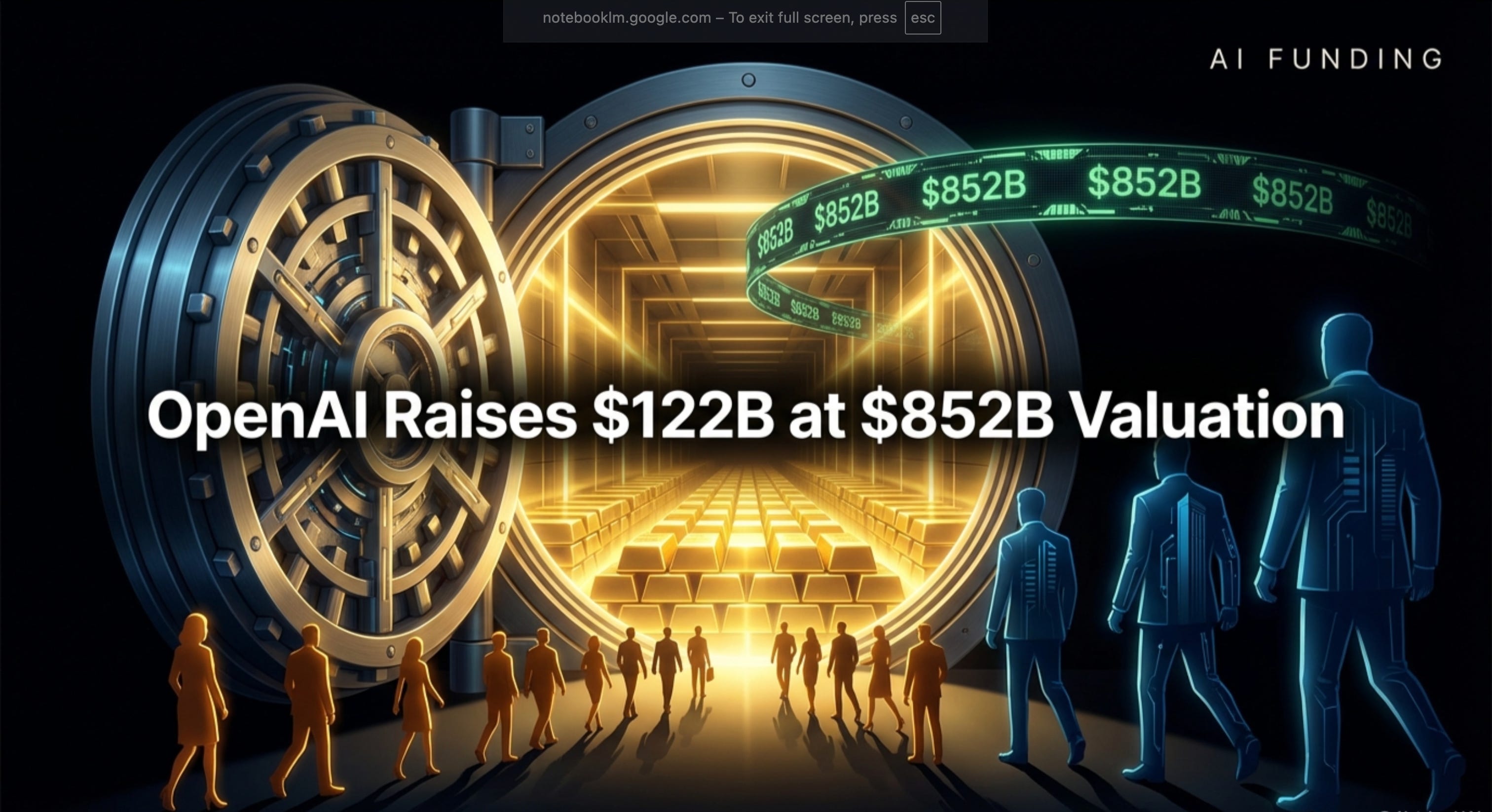
1. OpenAI Raises $122 Billion at an $852 Billion Valuation
OpenAI has closed its largest funding round ever, raising $122 billion at a valuation that dwarfs most public companies. SoftBank co-led with Andreessen Horowitz, D.E. Shaw, and others, while Amazon, Nvidia, and Microsoft also participated. About $3 billion came from individual investors through bank channels, and OpenAI will soon be included in ARK Invest ETFs, broadening its shareholder base ahead of a widely expected IPO this year.
The numbers behind the round tell the bigger story. OpenAI says it now generates $2 billion per month in revenue, has 900 million weekly active users, and over 50 million subscribers. Its ads pilot is already pulling in over $100 million in annualized recurring revenue after just six weeks. Business revenue now makes up 40% of total income, up from 30% last year. OpenAI called itself an “AI superapp” in its press release, making it clear this round is as much about setting IPO expectations as it is about the capital.
Why it matters: This isn’t just a funding round. It’s a dress rehearsal for the biggest tech IPO in years. When a private company starts publishing user metrics and flywheel narratives, it’s talking to Wall Street, not just investors.
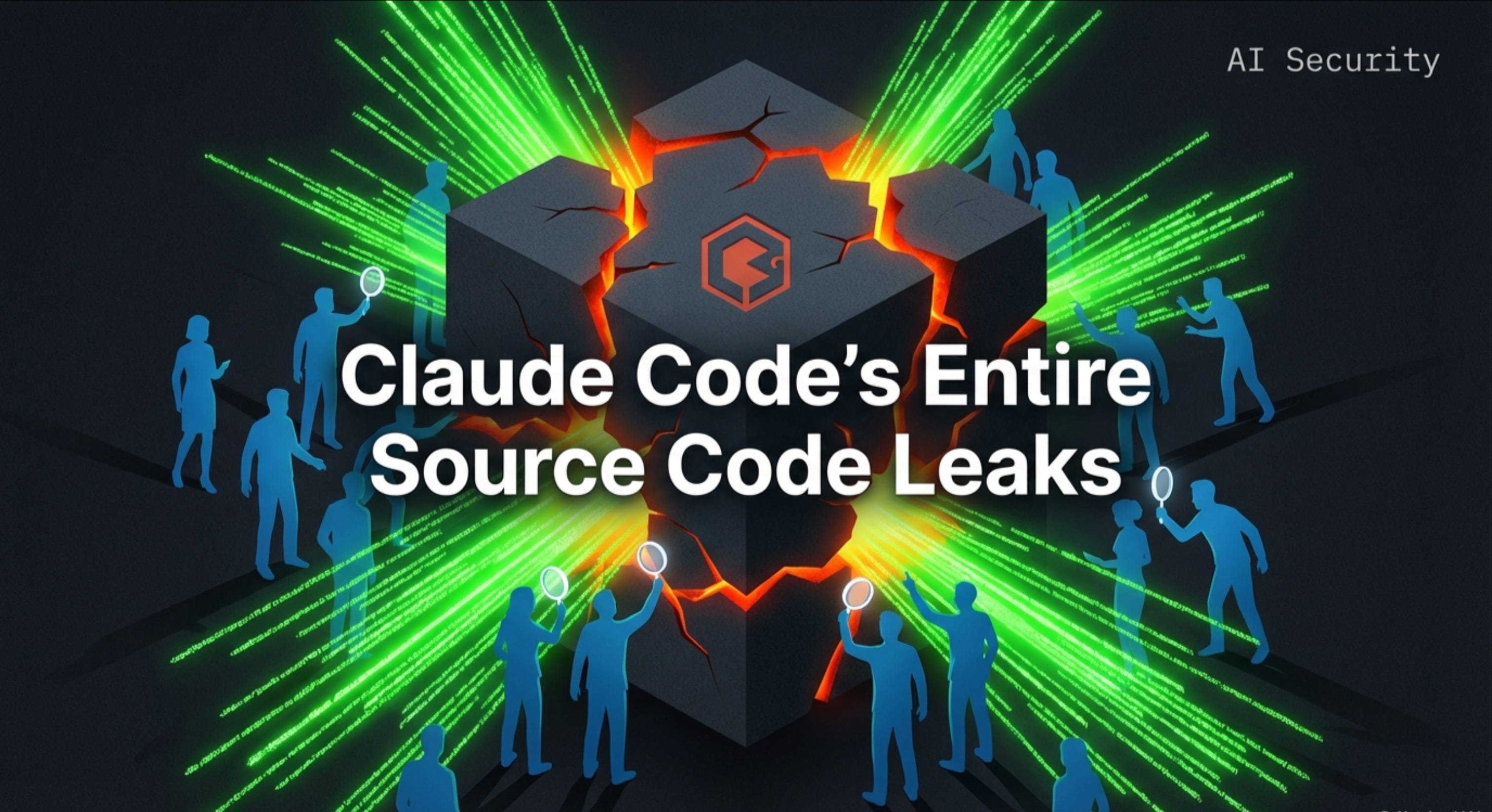
2. Anthropic Accidentally Leaks Claude Code’s Entire Source Code
Anthropic published version 2.1.88 of its Claude Code npm package with an exposed source map file, accidentally giving the internet access to the tool’s entire codebase: nearly 2,000 TypeScript files and over 512,000 lines of code. Security researcher Chaofan Shou spotted the leak, and the code was quickly uploaded to a public GitHub repository where it has been forked tens of thousands of times. Anthropic confirmed it was a “release packaging issue caused by human error, not a security breach” and said no customer data or credentials were involved. Developers have already started analyzing the code, posting detailed breakdowns of Claude Code’s memory architecture, plugin system, and query infrastructure.
Why it matters: Claude Code is the most popular AI coding tool on the market right now. Competitors now have a blueprint to study, security researchers have a map to probe, and Anthropic has lost a significant piece of its competitive advantage overnight because of a packaging mistake.
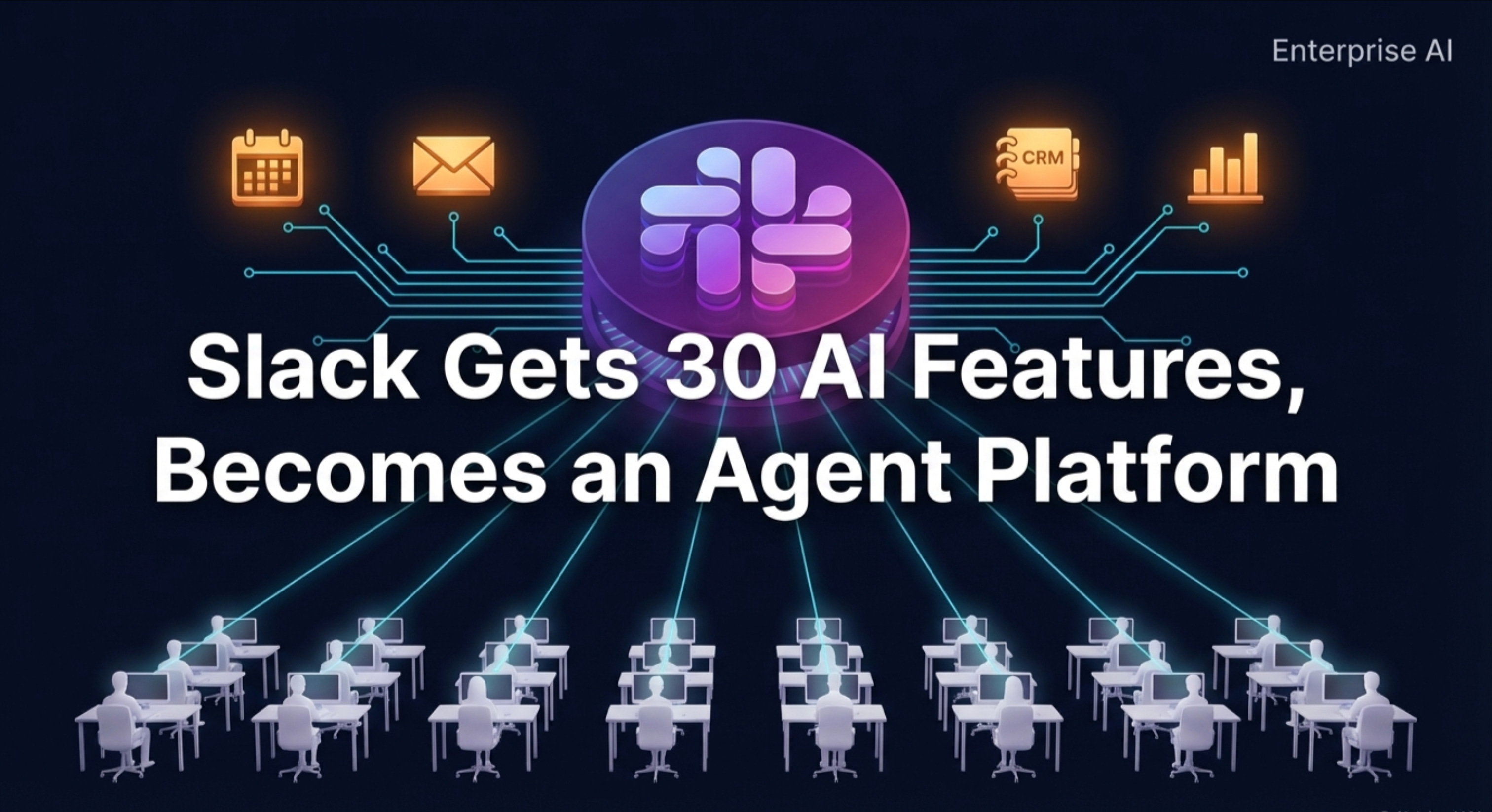
3. Salesforce Gives Slack 30 New AI Features, Turns Slackbot Into an Agent
Salesforce unveiled a major AI overhaul for Slack, adding 30 new features that transform the workplace chat app into an AI agent platform. The biggest change: Slackbot now supports “reusable AI skills” that let users define specific tasks (like creating a budget) that the bot can execute by pulling data from channels, apps, and connected sources. It also functions as an MCP (Model Context Protocol) client, meaning it can connect to outside services and route work to Salesforce’s Agentforce platform or any enterprise agent. New capabilities include meeting transcription, real-time summaries, and a desktop monitoring feature that tracks your calendar, conversations, and habits to suggest follow-ups. Salesforce says a million businesses now run on Slack, with 2.5x revenue growth since its acquisition.
Why it matters: The race to embed AI agents into work tools just got real. If Slackbot can schedule your meetings, draft your emails, and pull data from your CRM without you leaving the chat window, the line between “messaging app” and “work operating system” disappears.
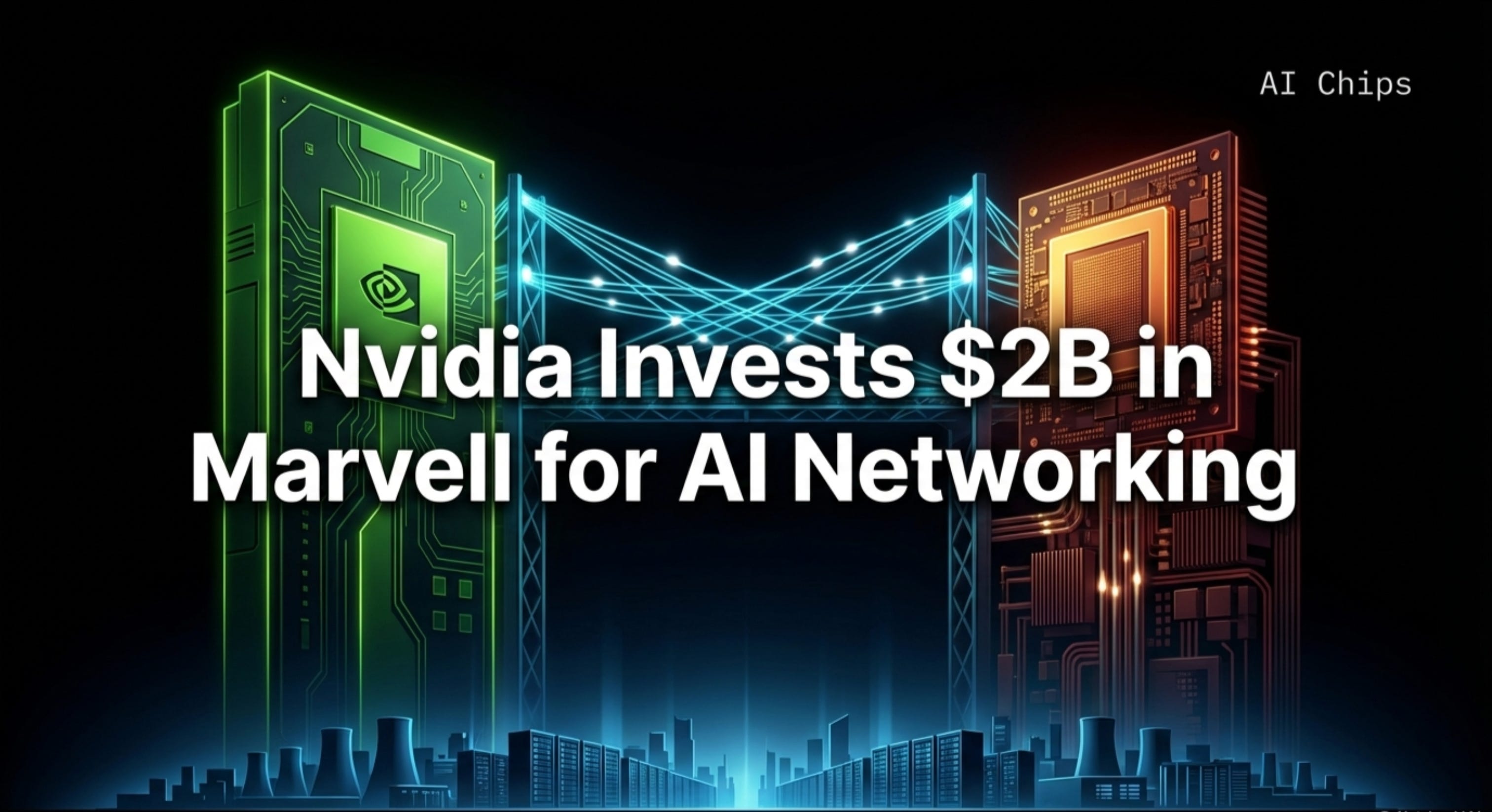
4. Nvidia Invests $2 Billion in Marvell to Lock Down AI Infrastructure
Nvidia has made a $2 billion investment in chip designer Marvell Technology, creating a partnership focused on advanced networking solutions for AI data centers. The deal centers on optical interconnects and silicon photonics, the technology that enables high-speed, energy-efficient data transmission between AI chips. Marvell will contribute custom chips compatible with Nvidia’s NVLink Fusion, while Nvidia supplies CPUs, network interface cards, and interconnects. Big Tech firms including Alphabet and Meta are expected to spend at least $630 billion on AI infrastructure this year, and this deal positions Nvidia to stay central to that buildout even as customers explore custom chip alternatives.
Why it matters: Nvidia isn’t just selling GPUs anymore. By investing in the networking layer that connects all the chips in a data center, it’s making sure even companies that use competitors’ processors still need Nvidia’s ecosystem to make everything talk to each other.
Quick Hits
-
Chinese chipmakers now claim nearly half of their domestic market as Nvidia’s share shrinks under ongoing U.S. export restrictions, according to IDC data. Source: Reuters
-
Meta launches two $499 Ray-Ban prescription smart glasses, expanding its AI-powered wearables line into the prescription market for the first time. Source: Reuters
-
Anthropic signs an AI safety and economic data tracking deal with Australia, its latest move to expand internationally while navigating its ongoing conflict with the U.S. Defense Department. Source: Reuters
That’s it for today. The through-line: AI companies are building empires so fast that even their mistakes create industry-shifting moments. A $122 billion funding round, 512,000 lines of leaked code, and a chat app that now runs your workday. The scale is hard to process, but the direction is clear.
Forward this to someone who needs to stay in the loop.
Leave a Reply