The best thing that can happen to your idea is someone telling you why it won’t work. The worst thing is months of silence.
The Reality
Max Brodeur-Urbas got deported from the United States and banned for five years. He wasn’t doing anything illegal. He’d quit his job at Microsoft, moved back to Vancouver, and drove down to visit old roommates in Seattle for a weekend. Border agents turned him around on suspicion he planned to stay longer. That came with a five-year ban.
“That was kind of the moment where I realized I had to build a company because I had no fallback plan.”
So he went back to his apartment and started building. A video game moderation tool. Trust and safety software. Bot detection. An anti-scam platform. A new idea nearly every week for months.
Almost all of them failed.
But the failure wasn’t the interesting part. The interesting part was how he learned to fail.
The Shift
In the beginning, Max spent months building each idea before showing it to anyone. He’d invest weeks into a product, polish it, and then hope someone would validate it.
That’s the wrong order.
“In the beginning, I was building ideas for months and then hoping someone would prove me right. But that’s the opposite of what you should be doing.”
The breakthrough came when he flipped the process: instead of building first and validating later, he started hunting for reasons his ideas wouldn’t work.
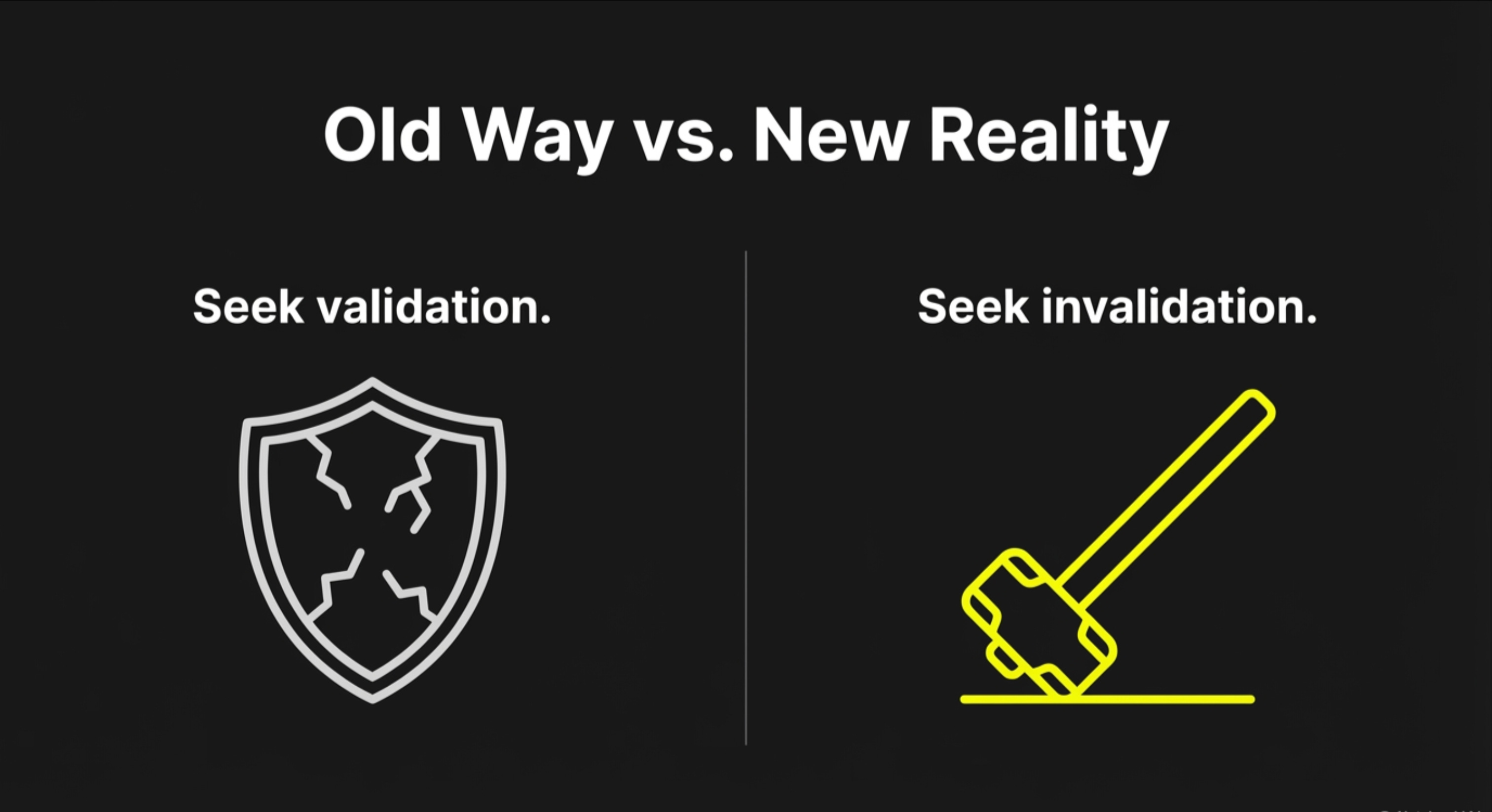
The Old Way: Build for months. Hope someone says yes. Feel devastated when they say no.
The New Reality: Hunt for the “no” as fast as possible. If you can’t find a strong reason something won’t work, then you might actually have something worth building.
“You should actually be hunting for someone to tell you why this won’t work. If you can’t find a reason it won’t work, then you actually have some sort of tangible idea you should pursue.”
This is what eventually led to Gumloop. Max noticed people in the AutoGPT Discord asking basic questions: “What is GitHub? How do I install something locally?” He built a simple UI to solve that problem. It wasn’t glamorous. It wasn’t his grand vision. But people actually wanted it.
Then came the real insight: the AI agents people were so excited about were unreliable. His users were frustrated. So he gave them what they were secretly asking for: not smarter agents, but predictable, reliable automation. The non-technical users, the business admins, the ops people, went wild for it.
“I kind of gave them what they were secretly asking for, which is just reliability, predictability.”
The company that now processes 4 million workflows a day for Instacart, Shopify, and DoorDash was born from listening to frustration, not from a brilliant idea.
What To Do Next
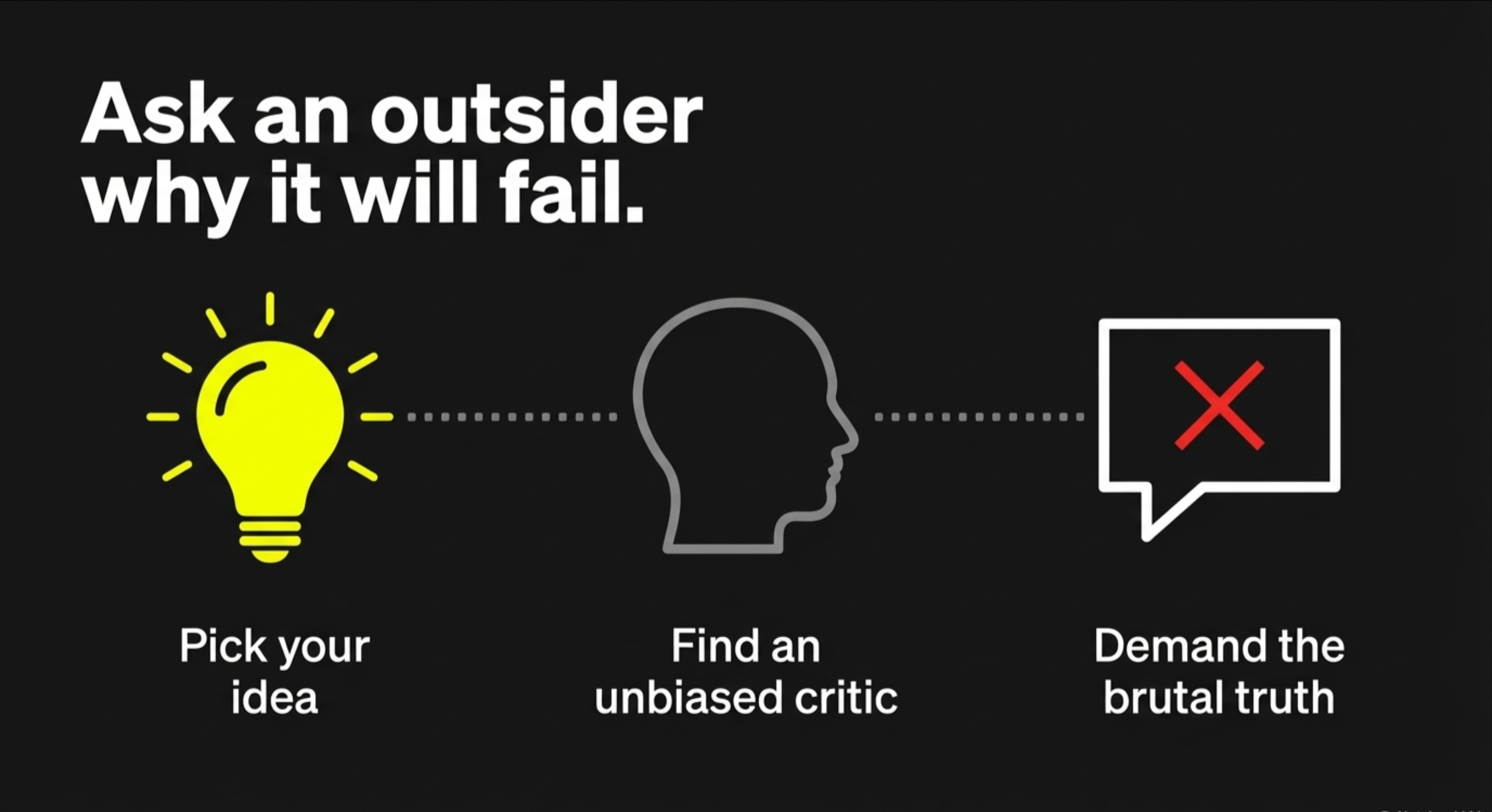
Whatever you’re working on right now, whether it’s a side project, a business idea, or a new initiative at work, find one person who will tell you why it won’t work.
Not a friend who will be nice. Not a colleague who owes you a favor. Someone with no incentive to protect your feelings.
Their objection is worth more than your confidence. If they can’t break your idea, keep going. If they can, you just saved yourself months.
And if you’re building with AI: talk to users before you build features. The most successful AI products aren’t the smartest ones. They’re the ones that solved the problem people actually had, not the one the founder imagined.
The One Thing to Remember
The fastest way to build something great is to get really good at proving yourself wrong. Every idea that fails fast is a week saved. Every “no” you hear early is a month you didn’t waste.
This insight comes from “50 AI Agents Running My Company Is a Lie” featuring Max Brodeur-Urbas, founder of Gumloop. The AI Shift curates wisdom from AI leaders for busy professionals navigating the AI era. What idea have you been holding onto that needs to be tested?
Leave a Reply