Good morning, Google just made its best open AI models actually open, Microsoft is quietly building a path away from OpenAI, and a lawsuit claims Perplexity’s Incognito Mode doesn’t protect anything. Here’s what happened 👇
1. Google Launches Gemma 4, Drops Restrictive License for Apache 2.0
Google released Gemma 4, its most capable family of open AI models, in four sizes: 2B and 4B for mobile devices, 26B Mixture of Experts, and 31B Dense for local hardware. The models are based on the same technology as Google’s Gemini 3 and support agentic workflows, function calling, structured JSON output, code generation, and vision tasks. The 26B MoE model activates only 3.8 billion of its 26 billion parameters during inference, delivering much higher speed than similarly sized models. Context windows reach 256k tokens for the larger variants. But the biggest news may be the licensing: Google ditched its restrictive custom Gemma license, which let Google change terms unilaterally, for Apache 2.0. Developers now have full freedom to build commercially without Google’s oversight.
Why it matters: Licensing was the main reason many developers avoided Google’s open models. Apache 2.0 removes that barrier entirely. With Gemma 4 ranking #3 on the open model leaderboard at a fraction of the size of competing models, Google just made the strongest case yet that you don’t need a cloud subscription to run capable AI.
2. Microsoft Launches Three Foundational AI Models to Reduce OpenAI Dependence
Microsoft AI, led by Mustafa Suleyman, released three new foundational models: MAI-Transcribe-1 (speech-to-text across 25 languages, 2.5x faster than Azure Fast), MAI-Voice-1 (generates 60 seconds of audio in one second with custom voice creation), and MAI-Image-2 (image generation). The models are available through Microsoft Foundry and priced to undercut Google and OpenAI. Suleyman called it “Humanist AI,” focused on how people actually communicate. While Microsoft reaffirmed its OpenAI partnership, a recent renegotiation of that deal is what allowed Microsoft to pursue its own superintelligence research. This is the first major output from the MAI Superintelligence team formed in November 2025.
Why it matters: Microsoft invested $13 billion in OpenAI. Now it’s building competing models. The message is clear: Microsoft wants to be an AI platform, not just an OpenAI reseller. If these models are genuinely cheaper and good enough, enterprise customers get a reason to stay in the Microsoft ecosystem without paying OpenAI prices.
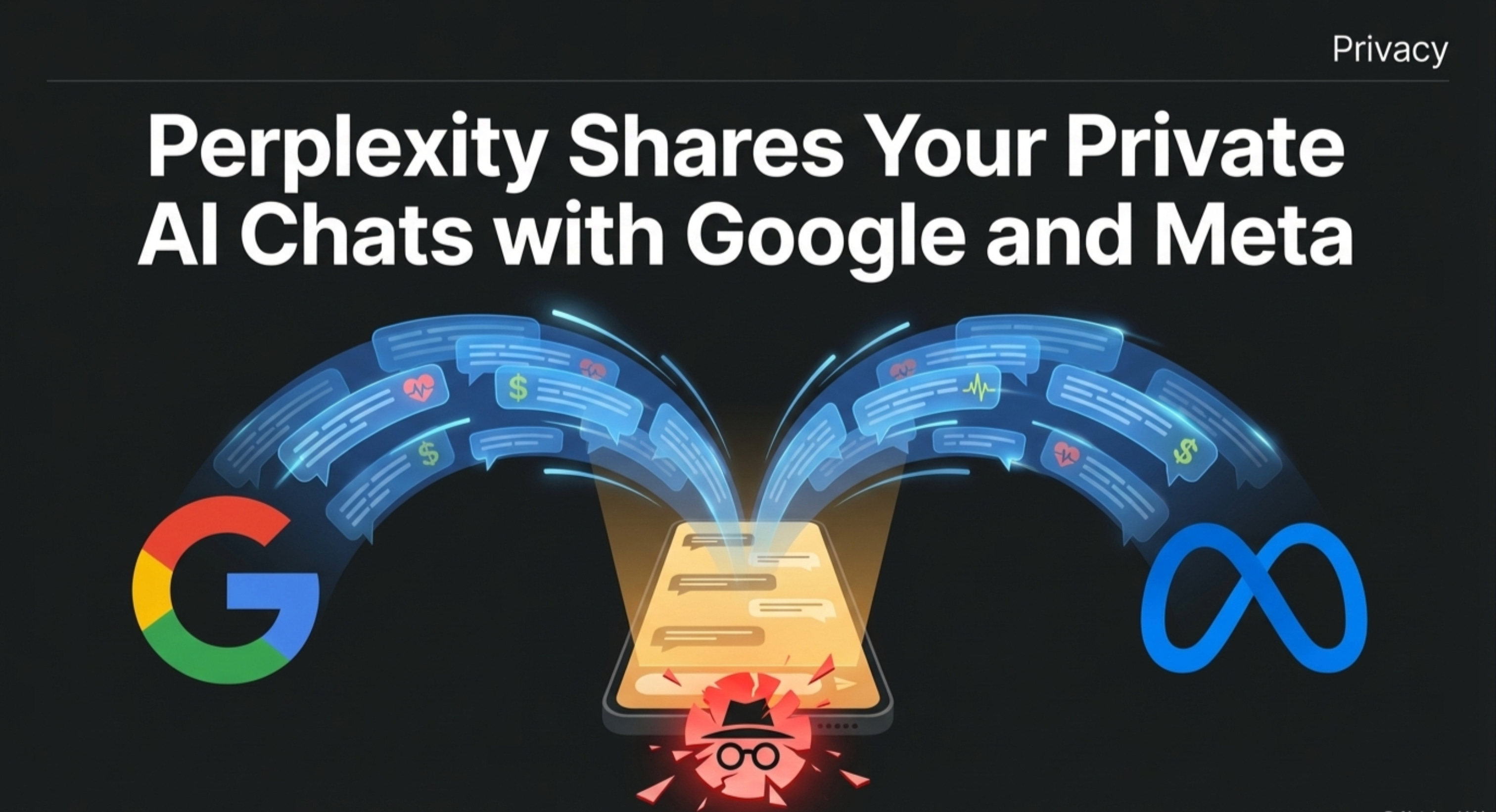
3. Lawsuit: Perplexity Shares Your “Private” AI Chats with Google and Meta
A class action lawsuit alleges that Perplexity’s AI search engine secretly shares complete chat transcripts with Google and Meta through embedded ad trackers, including the Facebook Meta Pixel, Google Ads, and Google DoubleClick. The lawsuit claims this happens to every user, whether they have an account or not. Worse, even paid users who enabled “Incognito Mode” had their conversations shared along with their email addresses and other personal identifiers. The complaint describes the Incognito feature as a “sham.” Users’ financial data, health questions, and legal queries were allegedly shared without consent. Perplexity’s privacy policy doesn’t mention specific trackers and isn’t even linked on its homepage. The proposed class covers chats from December 2022 through February 2026.
Why it matters: People use AI search engines to ask things they wouldn’t ask another person, from health scares to financial problems to legal questions. If this lawsuit’s claims hold up, millions of people’s most private queries were being fed to advertising companies the entire time. “Incognito Mode” meaning nothing is the kind of betrayal that erodes trust in the entire AI industry.
Quick Hits
-
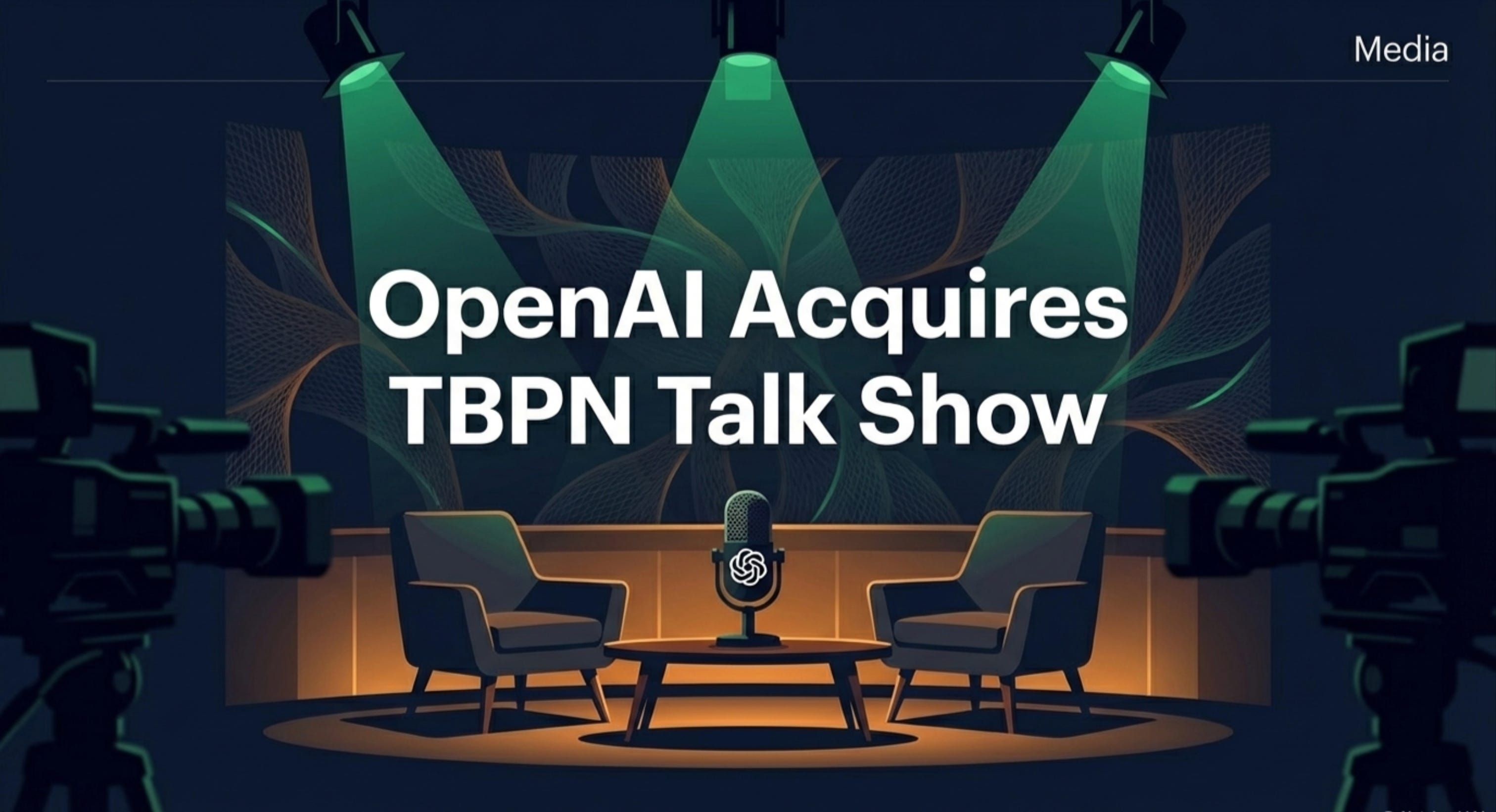
OpenAI acquires TBPN, a popular founder-led business talk show, saying the deal will help “create a space for a real, constructive conversation about the changes AI creates.” OpenAI is now in the media business. Source: Reuters
-
China drafts regulations for “digital humans,” requiring clear labeling and banning AI services designed to be addictive for children. Source: Reuters
-
Samsung is expected to report a record quarterly profit as AI chip demand drives a surge in memory sales. Source: Reuters
That’s it for today. The AI industry is fracturing in interesting ways. Google is making open models truly open. Microsoft is building its own stack while still paying OpenAI billions. And the companies that promised privacy are allegedly doing the opposite. The question isn’t who has the best model anymore. It’s who you can actually trust.
Forward this to someone who needs to stay in the loop.
Leave a Reply