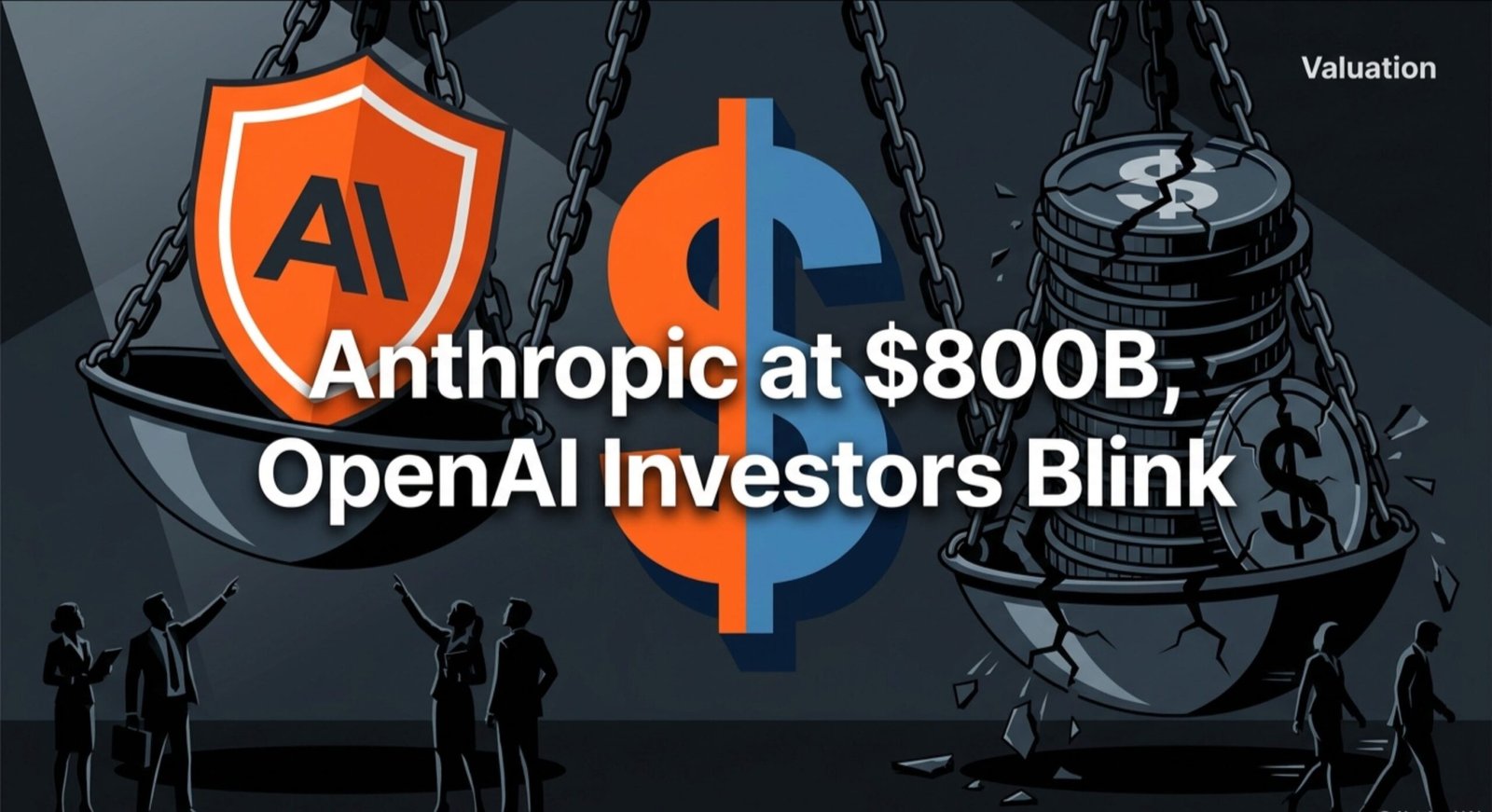
Good morning, investors are lining up to value Anthropic at $800 billion while OpenAI’s own backers question its $852 billion price tag, OpenAI just launched a cybersecurity-focused model to answer Anthropic’s Mythos, and Uber committed $10 billion to robotaxis in its biggest strategic pivot ever. Here’s what happened 👇
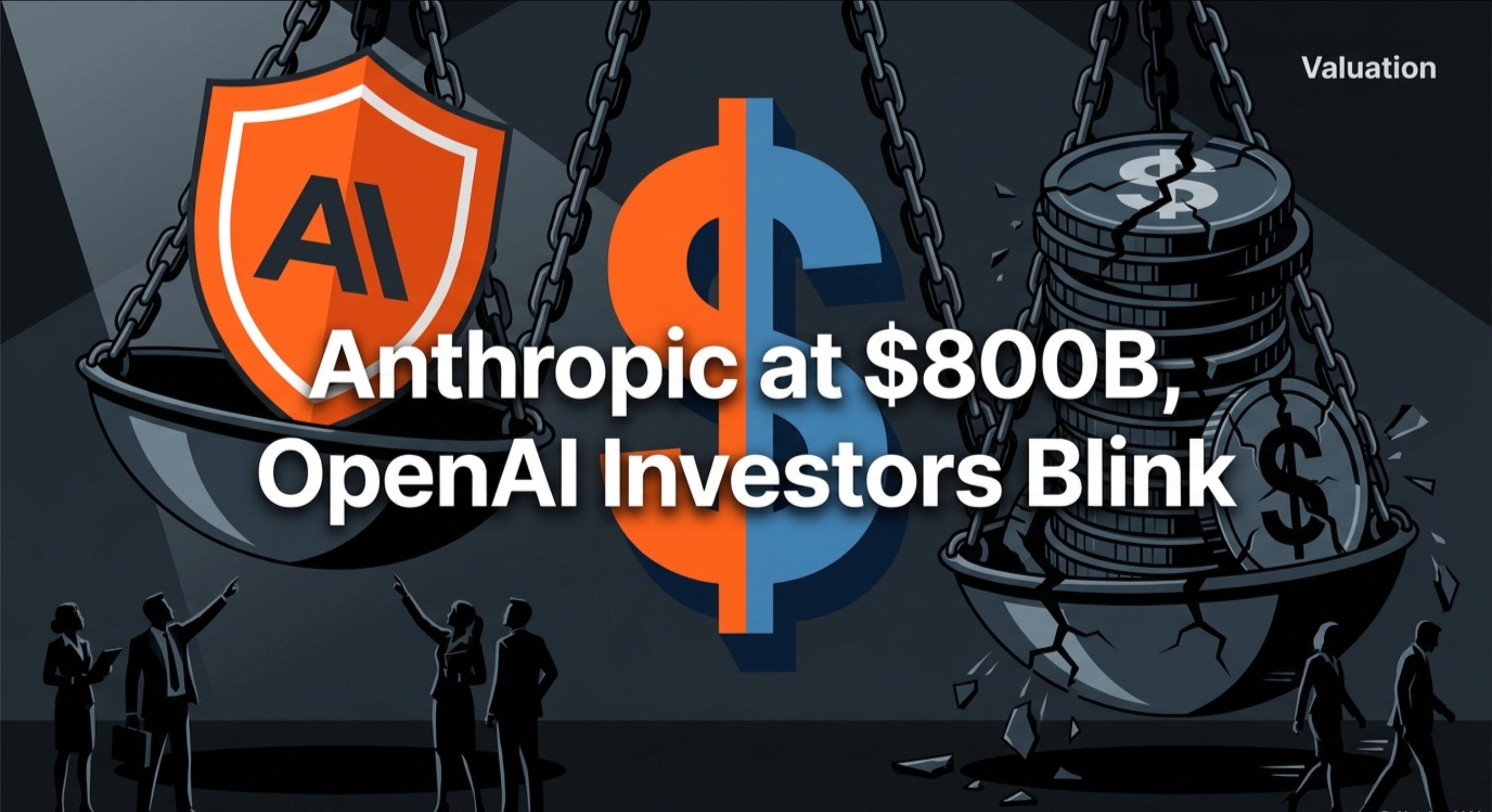
1. Anthropic’s Valuation Could Double to $800 Billion as OpenAI Faces Investor Doubt
Venture capital firms have approached Anthropic with offers to invest at valuations as high as $800 billion, more than double the $380 billion it raised at in February. Anthropic has so far resisted these overtures, according to Bloomberg. The company’s run-rate revenue now surpasses $30 billion, up from roughly $9 billion at the end of 2025, driven by surging demand for Claude and the buzz around its frontier Mythos model.
Meanwhile, the Financial Times reported that some of OpenAI’s own backers are questioning its $852 billion valuation as the company shifts its strategy toward the enterprise market to compete with Anthropic. The contrast is striking: one company’s investors are racing to get in. The other company’s investors are asking if they overpaid.
Why it matters: Six months ago, OpenAI was the undisputed leader in AI. Now Anthropic is growing revenue at a pace that could close the gap faster than anyone expected. If you use ChatGPT or Claude at work, you are watching a competitive shift that will directly affect the tools, pricing, and features available to you.
Source: Reuters | Source: Reuters

2. OpenAI Launches GPT-5.4-Cyber to Counter Anthropic’s Mythos
OpenAI unveiled GPT-5.4-Cyber, a variant of its latest flagship model fine-tuned specifically for defensive cybersecurity work. The release comes exactly one week after Anthropic announced Mythos, which has already found “thousands” of major vulnerabilities in operating systems, browsers, and other software. GPT-5.4-Cyber will initially be available only to vetted security vendors, organizations, and researchers through OpenAI’s expanded Trusted Access for Cyber (TAC) program.
The highest-tier TAC users will get access to the model with fewer restrictions on sensitive cybersecurity tasks like vulnerability research and analysis. OpenAI is also opening the program to thousands of individual defenders and hundreds of security teams.
Why it matters: The cybersecurity AI race is now a two-horse competition. Both OpenAI and Anthropic are building models specifically designed to find software vulnerabilities before attackers do. For companies, this means AI-powered security tools are about to get significantly more capable. For everyone else, it means the software you use every day is about to get tested by AI systems that can find flaws humans have missed for years.
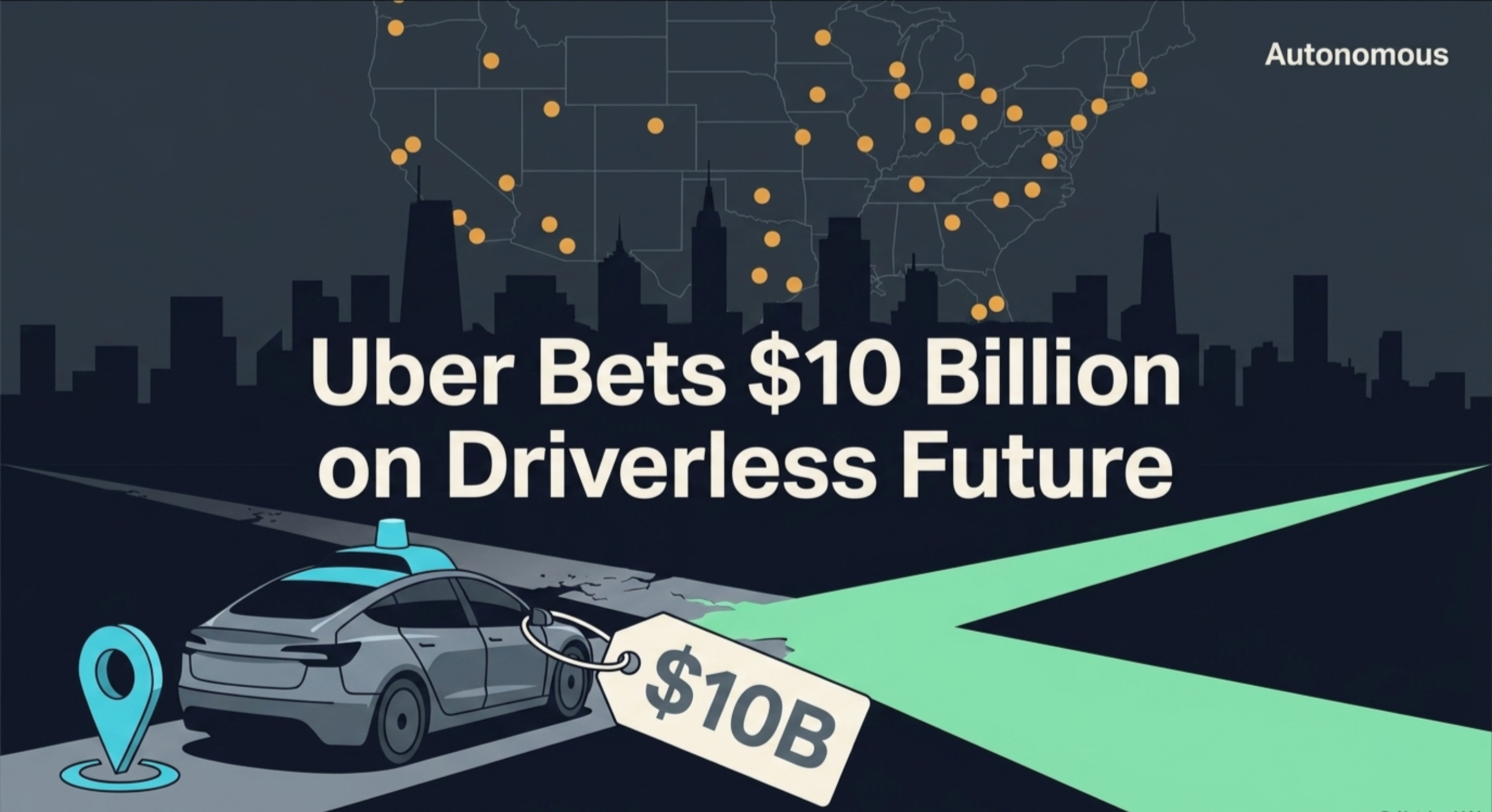
3. Uber Commits $10 Billion to Robotaxis, Breaks Its Own Business Model
Uber has committed more than $10 billion to buying thousands of autonomous vehicles and taking equity stakes in their developers, according to the Financial Times. This is a fundamental break from the “gig economy” model that built the company. Uber is positioning itself as a marketplace for multiple robotaxi operators, partnering with Baidu, Rivian, and Lucid, and plans to launch robotaxi services in at least 28 cities by 2028.
The deals include roughly $2.5 billion in equity stakes and over $7.5 billion in fleet purchases over the next few years, contingent on partners hitting deployment milestones.
Why it matters: The company that defined ride-sharing is betting its future on removing drivers entirely. If you use Uber, you could be hailing a driverless car within two years depending on your city. This is also a signal that the robotaxi market has crossed from “maybe someday” to “we need to own this now” for the biggest players in transportation.
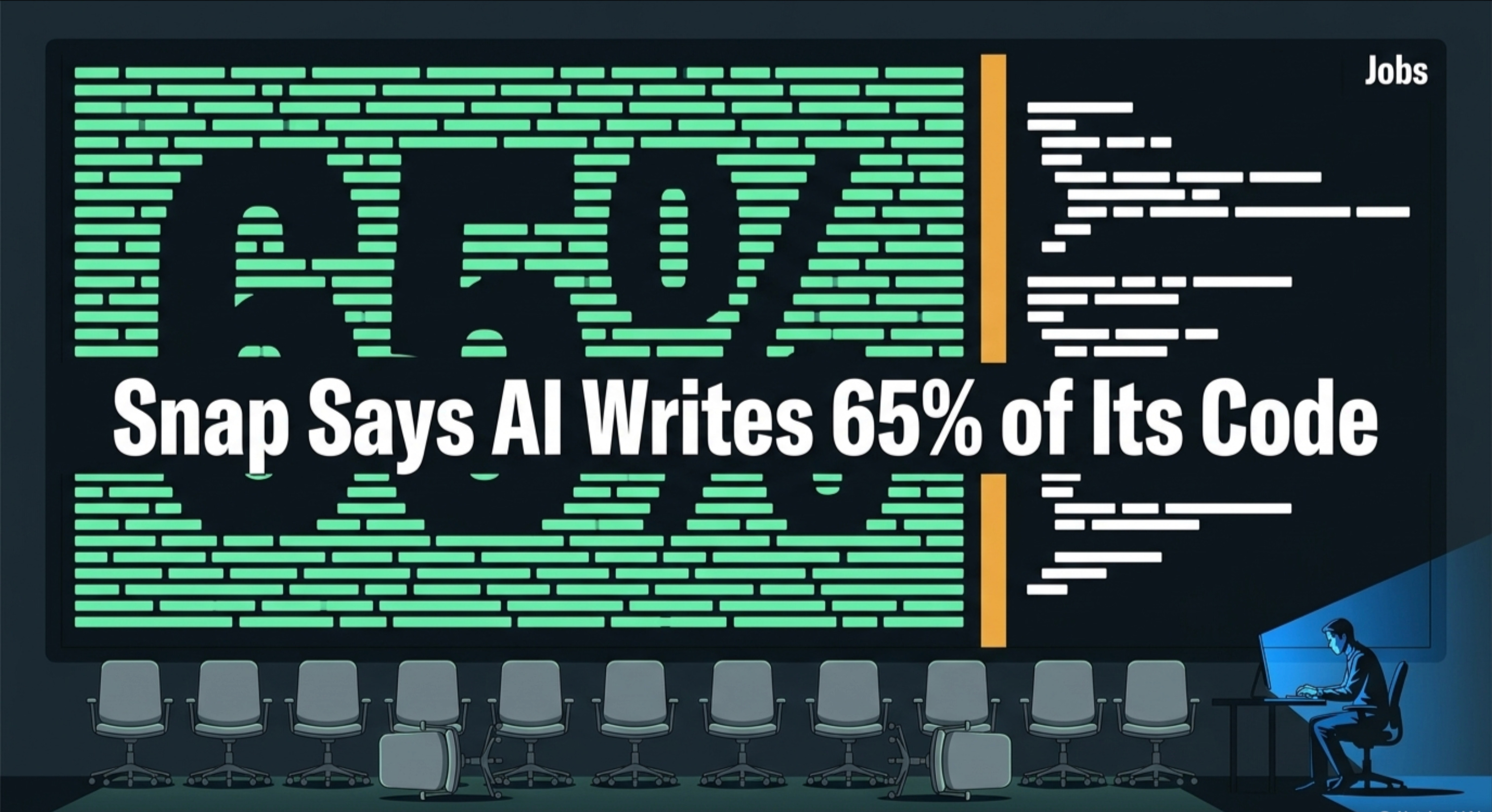
4. Snap Cuts 1,000 Jobs, Says AI Now Writes 65% of Its Code
Snapchat’s parent company is laying off about 1,000 employees, 16% of its full-time staff, and closing over 300 open positions. The company said AI is now generating more than 65% of new code at Snap, enabling it to operate with smaller teams. CEO Evan Spiegel expects the cuts to save more than $500 million in annualized expenses by the second half of 2026.
Snap is not alone. More than 80 tech companies have cut roughly 71,440 jobs so far this year, according to Layoffs.fyi, as AI adoption accelerates across the industry.
Why it matters: The stat to pay attention to is not the layoff count. It is the 65% number. When a major tech company publicly says AI is writing two-thirds of its new code, that is a signal about where software development is heading across every industry. The question is no longer whether AI will change the job market. It is how fast.
Quick Hits
-
Maine became the first US state to pass a moratorium on large data centers, freezing approvals for facilities requiring more than 20 megawatts of power until October 2027. Eleven other states are weighing similar legislation. Source: Reuters
-
Federal agencies are quietly sidestepping Trump’s ban on Anthropic to test its Mythos model. The Commerce Department’s Center for AI Standards is actively testing Mythos’ capabilities, and staff on at least three congressional committees have held or requested briefings. Source: Reuters
-
Jane Street signed a $6 billion AI cloud computing deal with CoreWeave and boosted its equity stake in the company, one of the largest single cloud contracts announced this year. Source: Reuters
That’s it for today. The AI industry is splitting into two clear lanes: one where the biggest companies race to build the most powerful models, and another where everyone else figures out what those models mean for their workers, their cities, and their energy bills.
Forward this to someone who needs to stay in the loop.
Leave a Reply