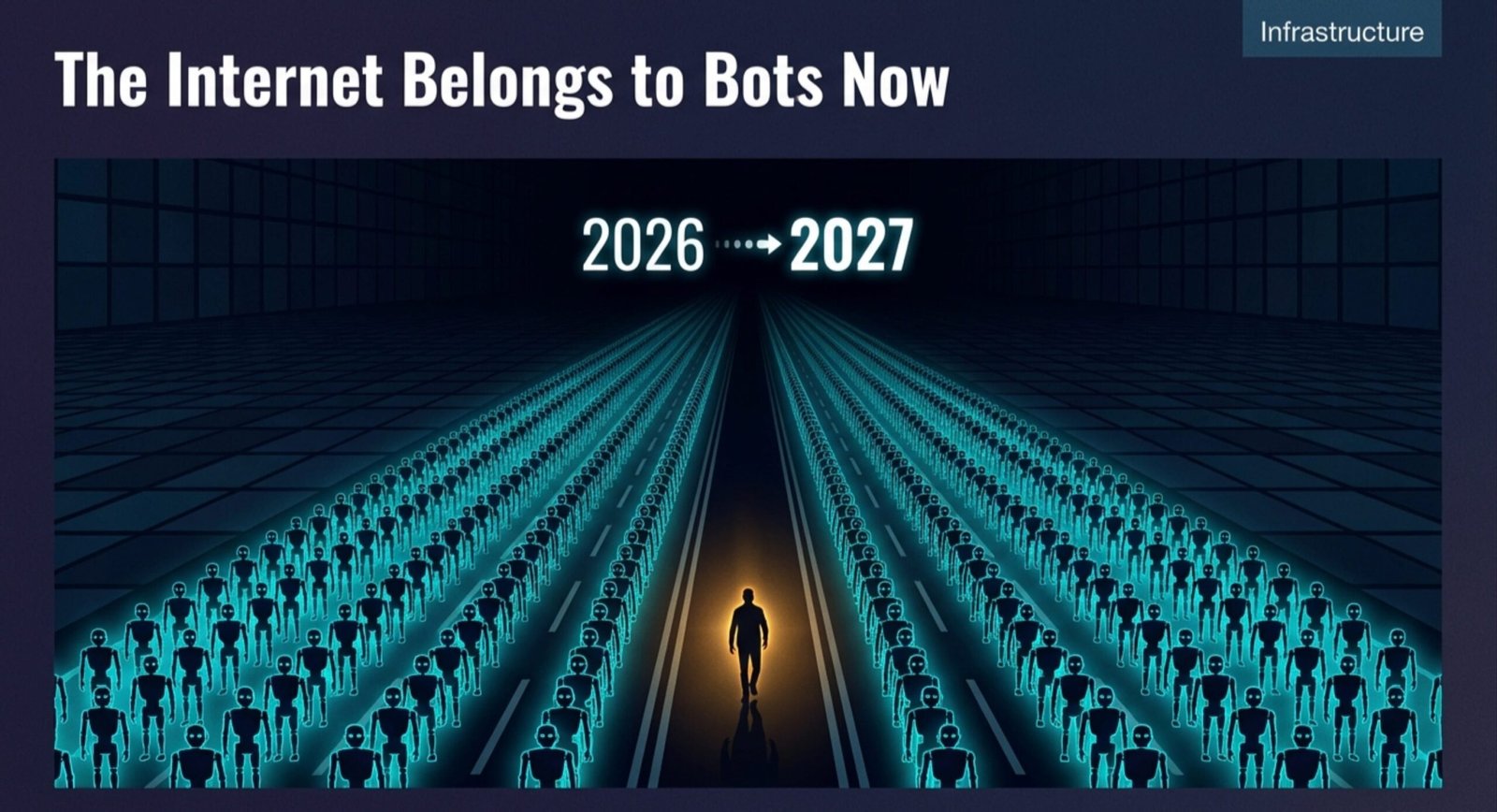
Good morning, bots are about to outnumber humans on the internet, OpenAI just bought one of Python’s most popular tool companies, and HSBC is planning to cut 20,000 jobs because of AI. Here’s what happened 👇
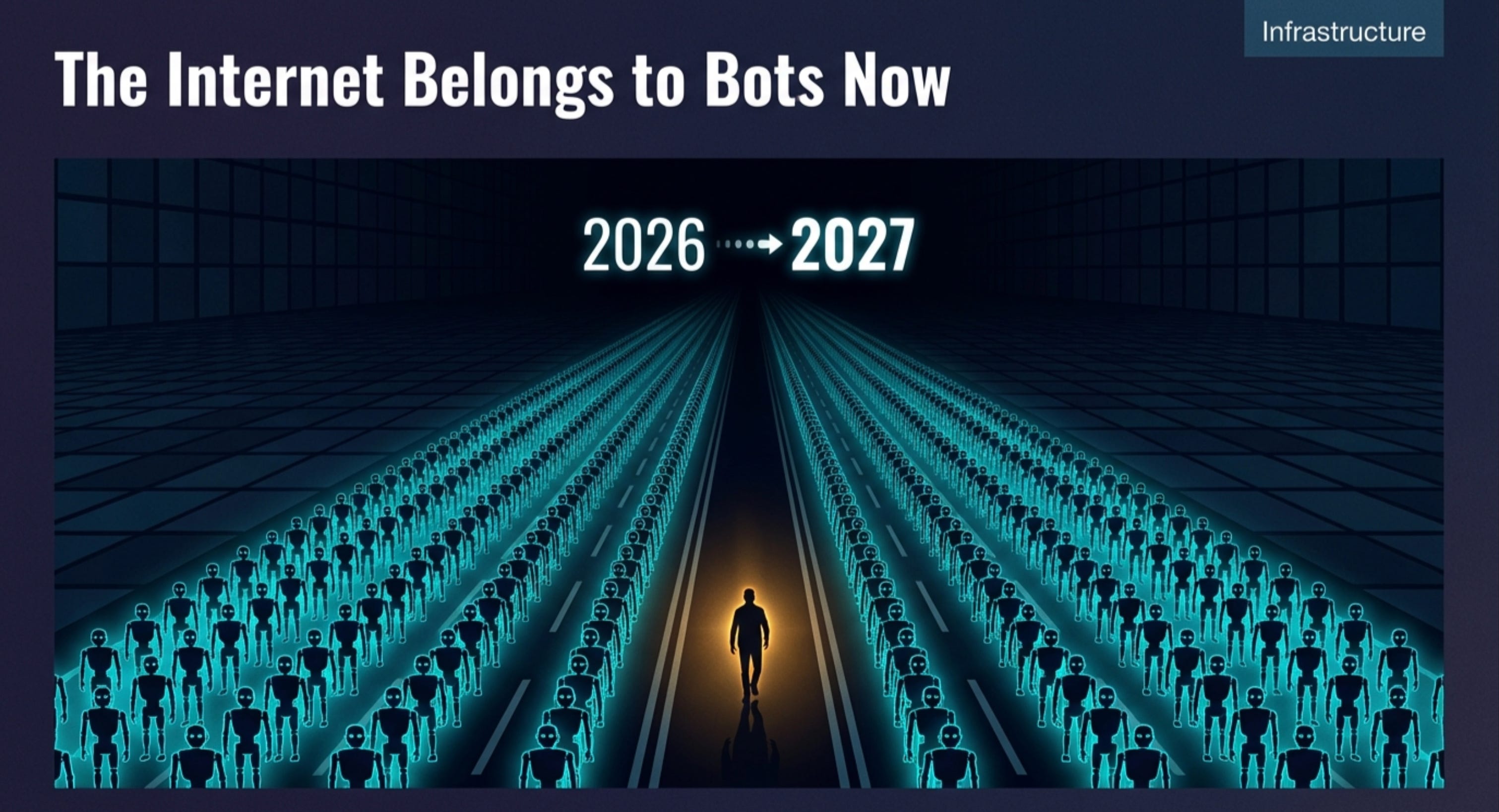
1. By 2027, There Will Be More Bots Than Humans on the Internet
Cloudflare CEO Matthew Prince dropped a startling prediction at SXSW this week: AI bot traffic will exceed human traffic on the internet by 2027. Before the generative AI era, bots made up roughly 20% of web traffic, mostly search engine crawlers and the occasional scammer. Now, AI agents are visiting websites at a staggering scale. Prince explained that if a human shopping for a camera visits five websites, an AI agent doing the same task might visit 5,000. Cloudflare, which handles traffic for one-fifth of all websites, is watching this shift happen in real time.
Prince compared the strain to what happened during COVID, when video streaming nearly buckled parts of the internet. But unlike COVID’s two-week spike that leveled off, this growth just keeps climbing with no signs of slowing down. He says the industry will need entirely new infrastructure, including disposable “sandboxes” for AI agents that spin up by the millions every second.
Why it matters: This isn’t a distant hypothetical. Within 18 months, the majority of “visitors” to websites could be AI agents, not people. That changes everything: how websites are built, how businesses charge for access, and how the internet’s physical infrastructure scales. If you run a website, sell online, or just use the internet (so, everyone), this shift will affect you.
Sources: TechCrunch
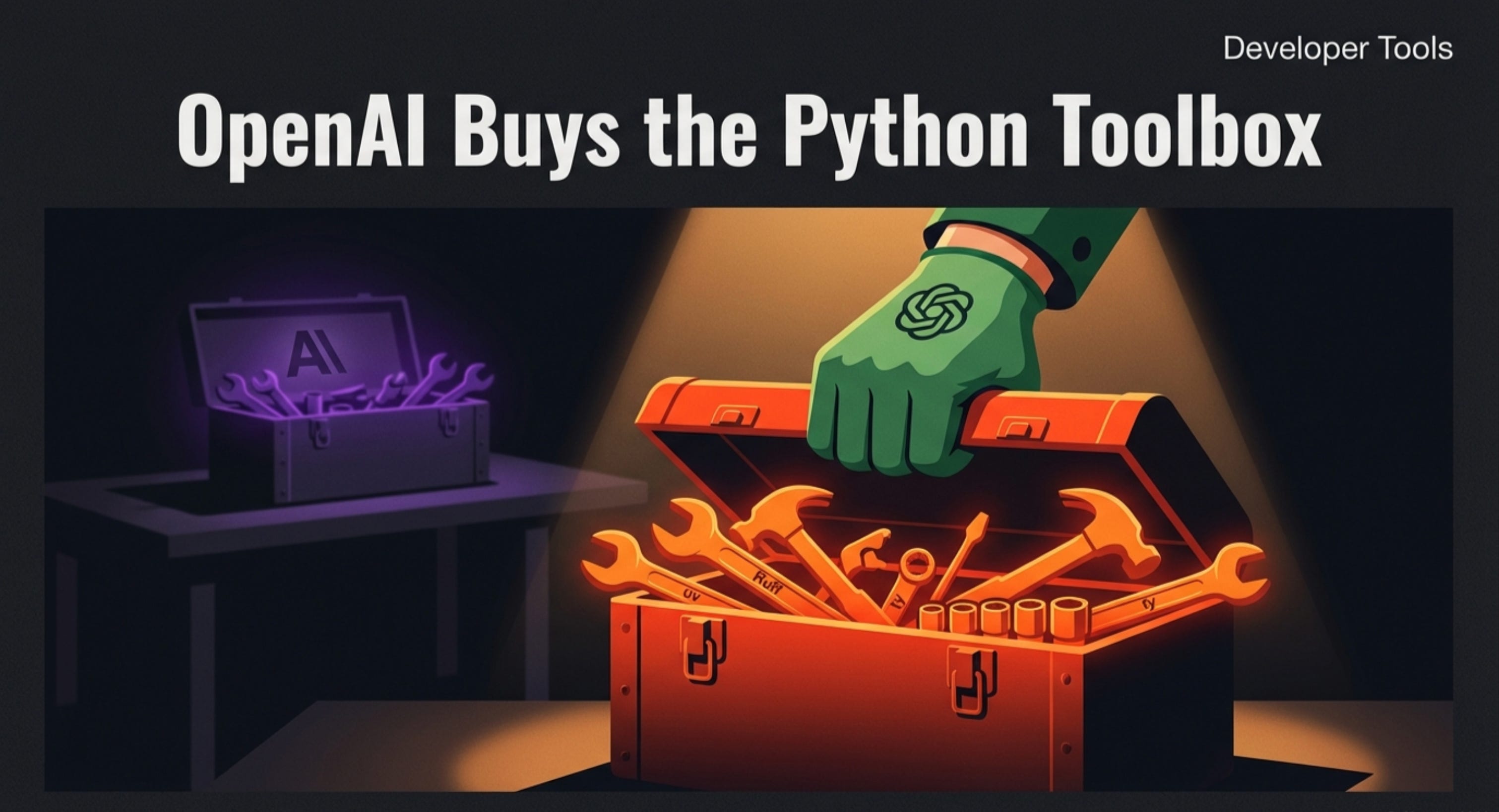
2. OpenAI Buys Astral, the Company Behind Python’s Most Popular Developer Tools
OpenAI announced it is acquiring Astral, the company that built some of the most widely used Python development tools in the world: uv (a package manager with 126 million monthly downloads), Ruff (a code formatter with 179 million monthly downloads), and ty (a type-checker with 19 million monthly downloads). The tools will be integrated into OpenAI’s Codex coding platform. Astral founder Charlie Marsh promised the tools will remain open source after the deal closes.
This is part of an escalating arms race in AI-powered coding. Anthropic acquired Bun, a JavaScript runtime with 7 million monthly downloads, back in November after Claude Code hit $1 billion in revenue. OpenAI also picked up Promptfoo, an open source LLM security tool, earlier this month. Both companies are racing to become the default AI coding assistant, and owning the tools developers already depend on is a powerful strategy.
Why it matters: If you write Python code, you probably already use Ruff or uv. Now those tools will be shaped by OpenAI’s priorities. The open source promise sounds reassuring, but history shows that acquisitions change projects over time. More broadly, the Codex vs. Claude Code competition is pushing both companies to move fast, which means better AI coding tools for everyone, at least in the short term.
Sources: Ars Technica, Reuters
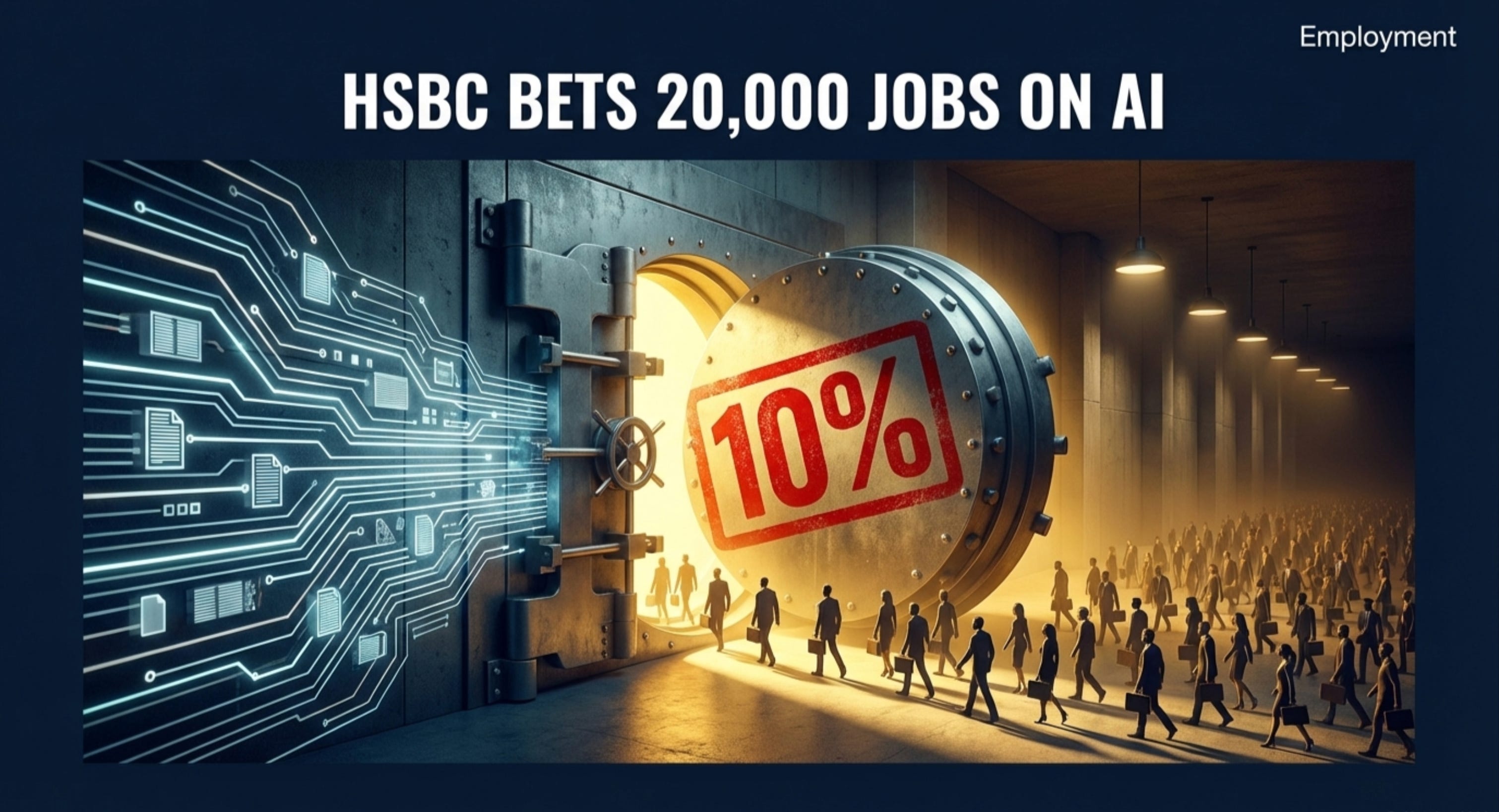
3. HSBC Is Planning to Cut 20,000 Jobs as It Bets on AI
HSBC, one of the world’s largest banks, is weighing job cuts that could eliminate roughly 20,000 roles, about 10% of its total workforce. The cuts are part of a medium-term plan spanning three to five years, and non-client-facing roles in global service centers are expected to be hit hardest as the bank bets on AI to handle work that humans currently do. The review is at an early stage, and the reductions could include not replacing departing staff as well as cuts tied to business exits.
This comes as HSBC’s CEO Georges Elhedery continues a major overhaul of the bank, reorganizing along East-West lines, exiting sub-scale investment banking, and cutting senior management. HSBC had 208,720 full-time employees at the end of 2025. Hong Kong-listed shares dropped 2.2% on the news.
Why it matters: HSBC isn’t some scrappy startup experimenting with AI. This is a 160-year-old bank with over 200,000 employees saying it expects AI to replace a significant portion of its workforce. The roles most at risk are the ones most exposed to automation: back-office processing, data entry, support functions. If you work in a large organization doing non-client-facing work, this is the clearest signal yet that the timeline for AI-driven job displacement is measured in years, not decades.
Sources: Reuters
Quick Hits
-
OpenAI is building a desktop “superapp” that merges ChatGPT, Codex, and its Atlas browser into one app. The move follows an internal push to stop being “distracted by side quests,” according to CEO of Applications Fidji Simo. (The Verge)
-
Jeff Bezos is reportedly seeking $100 billion for a fund to buy up companies in aerospace, chipmaking, and defense, then transform them with AI through his startup Project Prometheus. (TechCrunch)
-
DoorDash launched a “Tasks” app that pays delivery couriers to submit videos that will be used to train AI systems. Gig workers are now also data workers. (TechCrunch)
-
Trump released a national AI policy framework designed to pre-empt state-level AI regulations and consolidate rules at the federal level. (Reuters)
That’s it for today. The through-line is clear: AI isn’t just changing how we work, it’s changing who works, what the internet looks like, and which companies control the tools that build the future. The scale of these moves, from 20,000 jobs to $100 billion funds to bots outnumbering humans, tells you we’re past the experimentation phase.
Forward this to someone who needs to stay in the loop.
Leave a Reply