Good morning,
the entire stock market is holding its breath for Nvidia’s earnings tonight, Meta just wrote a $60 billion check to AMD, IBM released a report showing AI is now the hackers’ best friend, and Samsung is unveiling its AI-first Galaxy S26 phones literally today. Here’s what happened 👇
1. All Eyes on Nvidia Tonight — $230 Billion Swings on One Report
The world’s most valuable company reports earnings after the bell today, and Wall Street is visibly nervous. Analysts expect Nvidia to post $66.1 billion in revenue for the November–January quarter — a 68% jump from last year — and project first-quarter guidance around $72 billion. That would extend Nvidia’s streak of beating analyst estimates for the 14th quarter in a row.
But here’s the twist: beating the numbers isn’t enough anymore. After Nvidia’s last quarterly report blew past estimates and CEO Jensen Huang celebrated “off the charts” demand, the stock still fell 3% the next day. Options markets are pricing in a post-earnings swing of plus or minus 5% — which, given Nvidia’s $4.7 trillion market cap, translates to roughly a $230 billion move in either direction. That’s larger than most S&P 500 companies’ entire value. Key storylines to watch: the ramp of its new Blackwell chips, growing competition from AMD, and how much Chinese demand has been crimped by export restrictions.
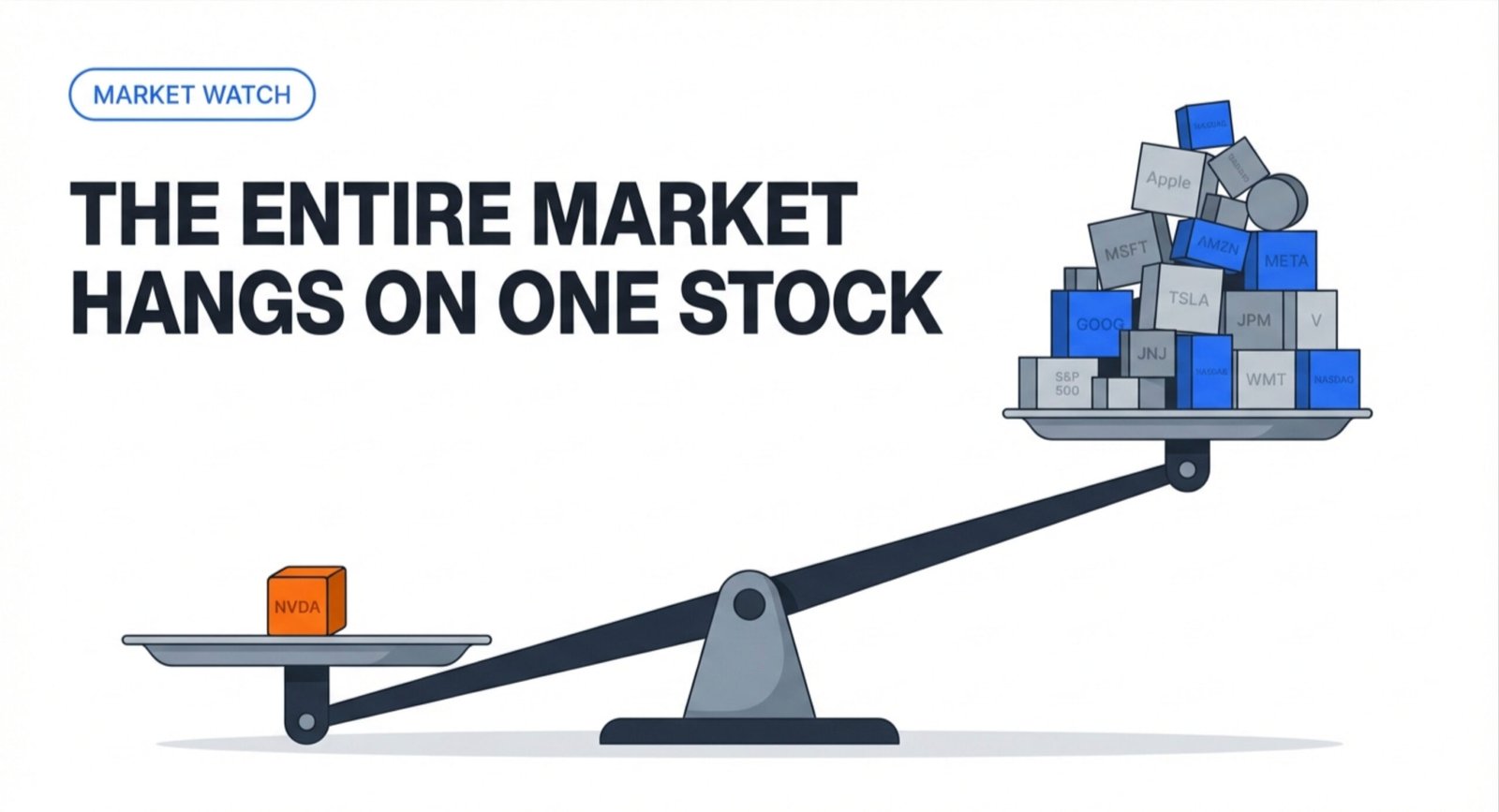
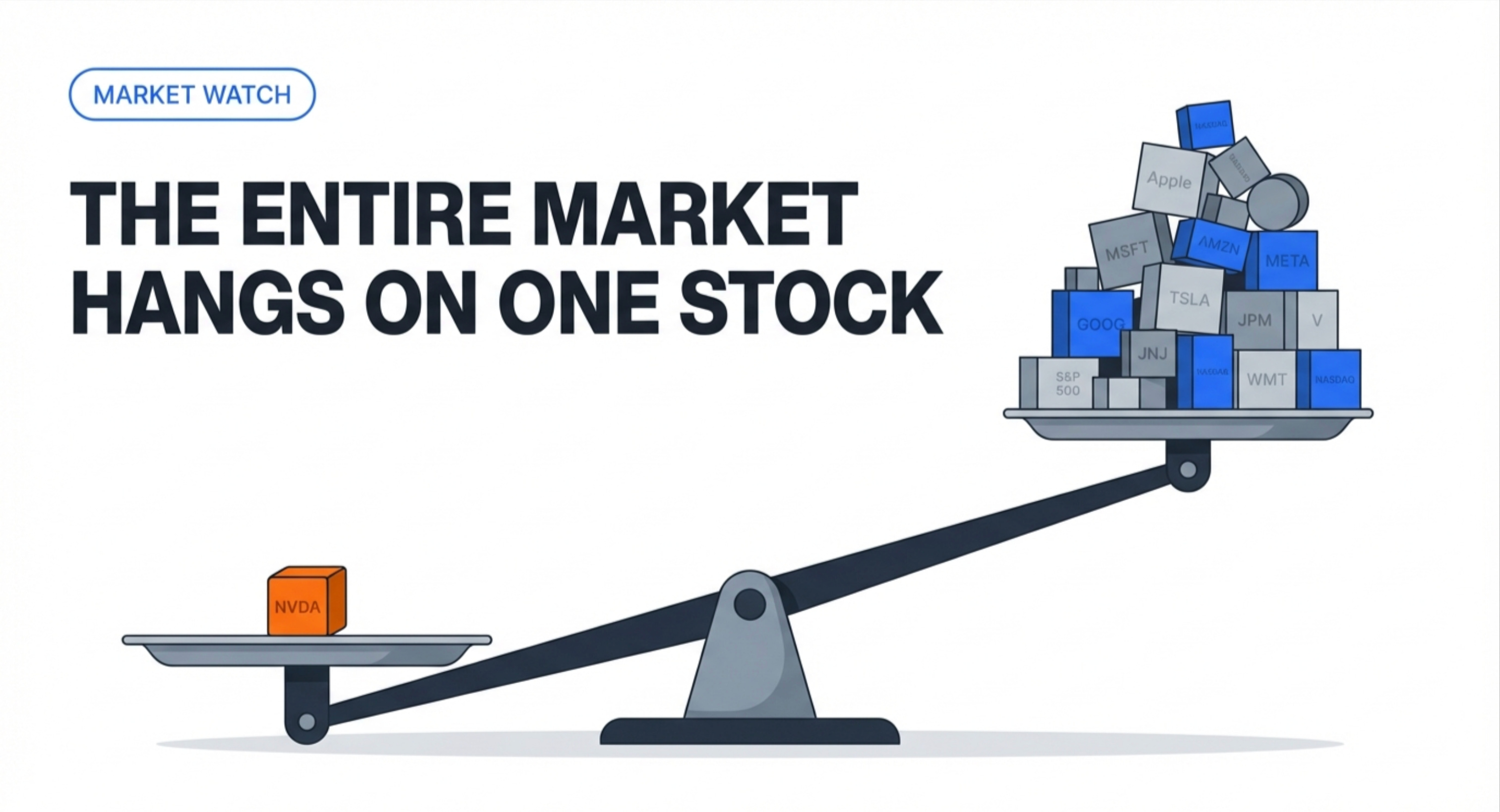
Why it matters: Nvidia isn’t just a chipmaker — its stock accounts for ~7% of the S&P 500. Whatever happens after tonight’s call will likely move your retirement account, your portfolio, and the entire AI sector’s near-term mood.
2. Meta Just Signed a $60 Billion Deal With AMD — Not Nvidia
In one of the biggest AI infrastructure deals ever disclosed, Meta has committed to a five-year, roughly $60 billion agreement with AMD for custom MI450 AI accelerators and Helios AI servers. AMD’s stock jumped 8.77% on the news. The deal reportedly includes an option allowing Meta to acquire up to 10% of AMD if certain milestones are hit — essentially making Meta both AMD’s biggest customer and a potential major shareholder.
This is significant for a few reasons. First, it signals that the AI infrastructure buildout is alive and well — even amid all the recent fear and volatility. Second, it shows hyperscalers are actively diversifying away from Nvidia to get more supply flexibility and pricing leverage. And third, it gives AMD durable, multi-year revenue visibility that Wall Street has been demanding. AMD shares, which had fallen from $267 to the $190s over recent months, surged back toward $214 on the news.
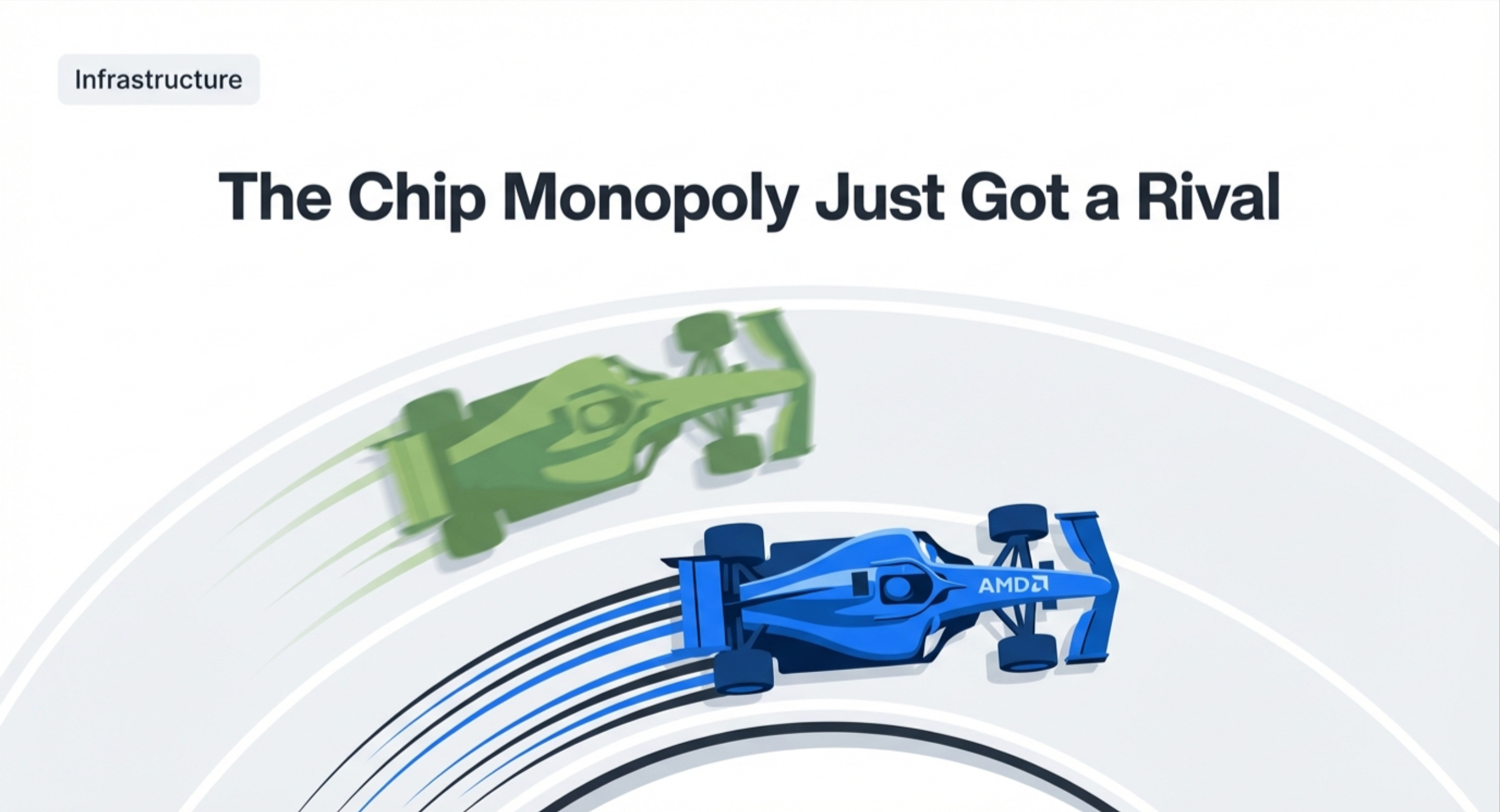
Why it matters: When the world’s most-used social platform commits $60 billion to AI chips from a Nvidia competitor, the message is clear: the AI hardware race is a two-horse race now, and the spending is nowhere near slowing down.
Source: Meyka/Handelsblatt | MediaPost

3. IBM Report: Hackers Are Using AI to Break In Faster Than Ever
IBM’s 2026 X-Force Threat Intelligence Index dropped today with a stark finding: AI has handed attackers a speed advantage that defenders are struggling to match. Attacks that began by exploiting public-facing applications jumped 44% in 2025, largely because AI tools now help criminals identify vulnerabilities faster than human security teams can patch them. Ransomware groups surged 49% year-over-year as smaller operators flood the market, using leaked tooling and AI to automate what used to require skilled hackers.
The numbers on AI’s specific role are alarming: over 300,000 ChatGPT credentials were stolen by infostealer malware in 2025, creating new attack surfaces as enterprises adopt AI tools. Supply chain attacks nearly quadrupled since 2020. Manufacturing was the most-attacked industry for the fifth straight year. And North America became the most-attacked region globally for the first time in six years, jumping from 24% to 29% of all incidents.
Why it matters: AI is making it cheaper and faster to launch cyberattacks, and most companies are still operating on the assumption that basic perimeter defenses are enough. If your company has adopted AI tools without updating security policies, your new risk isn’t just a leaked prompt — it’s a stolen credential used to walk straight through the front door.
Source: IBM Newsroom

4. Samsung Launches Galaxy S26 Today — With Perplexity Built In
Samsung’s Galaxy Unpacked event is happening right now in San Francisco. The company is unveiling the Galaxy S26, S26+, S26 Ultra, and Galaxy Buds 4. The biggest AI story in the lineup: Samsung is integrating Perplexity’s AI search engine directly into Galaxy AI, letting users say “Hey Plex” to activate it as an alternative to Google. An updated Bixby assistant that is more conversational is also being shown off, and third-party AI agents will be accessible natively on the phone.
On the hardware side, all S26 models run Qualcomm’s Snapdragon 8 Elite Gen 5 chip, optimized for on-device AI processing. New AI photography features let users turn a daytime photo into night, restore missing parts of images, and merge multiple shots — without needing to export to a third-party app. The Galaxy S26 Ultra is expected to drop the S Pen digitizer layer to enable full Qi2 wireless charging compatibility, a notable tradeoff for power users. Samsung called this event the beginning of “a new phase in the era of AI as intelligence becomes truly personal and adaptive.”
Why it matters: Your next phone will have multiple AI assistants built in, competing for your attention — Google Gemini, Samsung Bixby, and now Perplexity. The AI assistant wars are moving from your laptop to your pocket, and the company that wins the default slot on your homescreen wins your daily habits.
Source: Engadget | Samsung Newsroom
5. Workday Fell 10% Because Anthropic Said AI Can Do HR
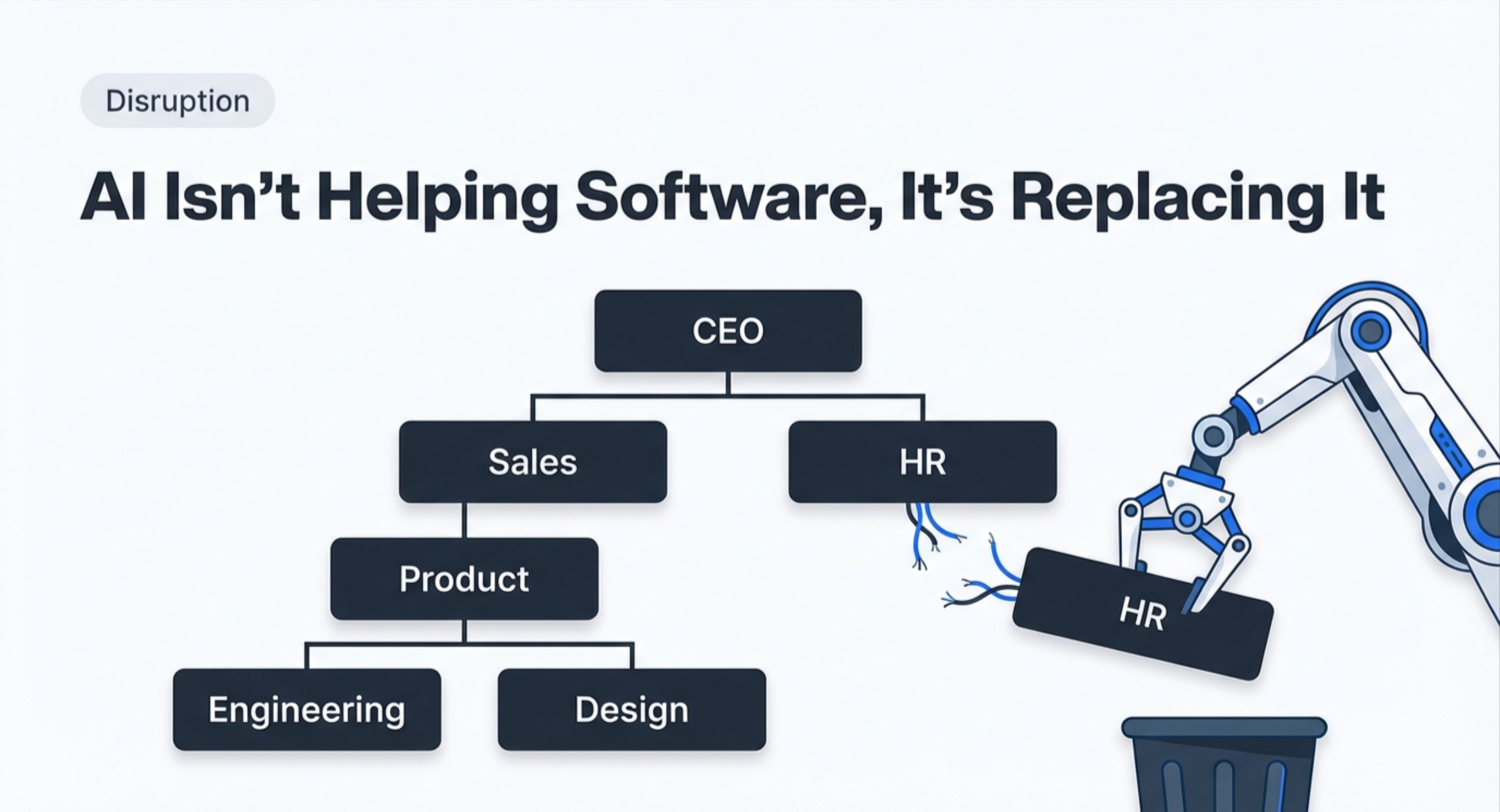
The AI disruption mood swings continued Tuesday when HR software firm Workday tumbled 10% after Anthropic’s new Claude tools explicitly listed HR tasks among their targets. Workday already gave investors a downbeat revenue forecast — but the AI threat angle made it land much harder. The irony: this is the same week that broader software stocks staged a modest relief rally, with markets focusing on partnership opportunities between AI labs and existing software companies rather than pure existential threat.
The split story captures exactly where markets are right now: some software companies are being re-rated upward as “AI partners,” while others — those whose core business is automating tasks AI can now do for a fraction of the cost — are being punished. Workday, which makes billions helping HR teams manage workflows that Claude now claims it can handle, landed in the second category.
Why it matters: Not all software companies will survive the AI wave in their current form. The ones building with AI are getting rewarded. The ones that haven’t made the pivot yet are watching their valuations get cut — sometimes on a single Anthropic blog post.
Source: Reuters
Quick Hits
-
Trump told Big Tech to build their own power plants: During his State of the Union speech last night, Trump said AI data centers must generate their own electricity to avoid straining the national grid — a sign of growing political pressure around AI energy consumption. (Reuters)
-
AWS launched AI that auto-reformats live sports for TikTok and Reels: Amazon Web Services unveiled “Elemental Inference” — a service that watches a live broadcast and automatically crops it into vertical video for social platforms within 6–10 seconds, no editor required. Fox Sports and NBCUniversal are already using it. (MediaPost)
-
SK Hynix investing $15 billion in new chip facilities in South Korea: The memory chip giant — a key supplier of HBM chips for Nvidia — announced a massive domestic expansion as AI demand for high-bandwidth memory keeps accelerating. (Reuters)
-
The $500B Stargate project was mostly vaporware: A new report by The Information found that OpenAI’s splashy Stargate venture — announced at the White House with Trump in January 2025 — never actually got built. OpenAI, Oracle, and SoftBank deadlocked over leadership and structure within weeks of the announcement, construction paused, and OpenAI lost its general contractor. OpenAI has since quietly pivoted, signing separate deals with Oracle ($30B/year) and CoreWeave ($22B) to get the compute it needs — and cut its 2030 infrastructure ambition from $1.4 trillion down to $600 billion. Elon Musk’s response: “Hardware is hard.” (Perplexity Discover)
That’s it for today. The AI story in 2026 has two speeds: the companies writing the checks are doing it faster than ever ($60 billion here, $15 billion there, build your own power plants), and the markets reacting to all of it are doing so in wild daily swings that can erase or create billions before lunch. We’re in the infrastructure-building phase of an arms race — the winners haven’t been declared, but the spending certainly has.
Forward this to someone who needs to stay in the loop.
Leave a Reply