
Good morning,
ByteDance is scrambling after Hollywood came for its AI video tool, Ireland launched a formal investigation into Grok’s image problem, and India just became the center of the AI world this week. Here’s what happened 👇

ByteDance Scrambles After Its AI Video Tool Spooked Hollywood
What happened: ByteDance’s new AI video generator, Seedance 2.0, went viral last week — but not in the way they wanted. Users generated hyperrealistic videos of Tom Cruise fighting Brad Pitt, Dragon Ball Z scenes, and Pokémon clips so convincing that Disney and Paramount accused ByteDance of distributing and reproducing their intellectual property. ByteDance now says it’s “working to improve safeguards” and will tweak the model to prevent unauthorized use of copyrighted characters and real people’s likenesses.
Why it matters: This is the AI copyright fight moving from still images to video. If you’ve been playing with AI video tools, expect every major platform to tighten what you can and can’t generate — especially anything involving real people or recognizable characters.
Sources: The Verge • Ars Technica
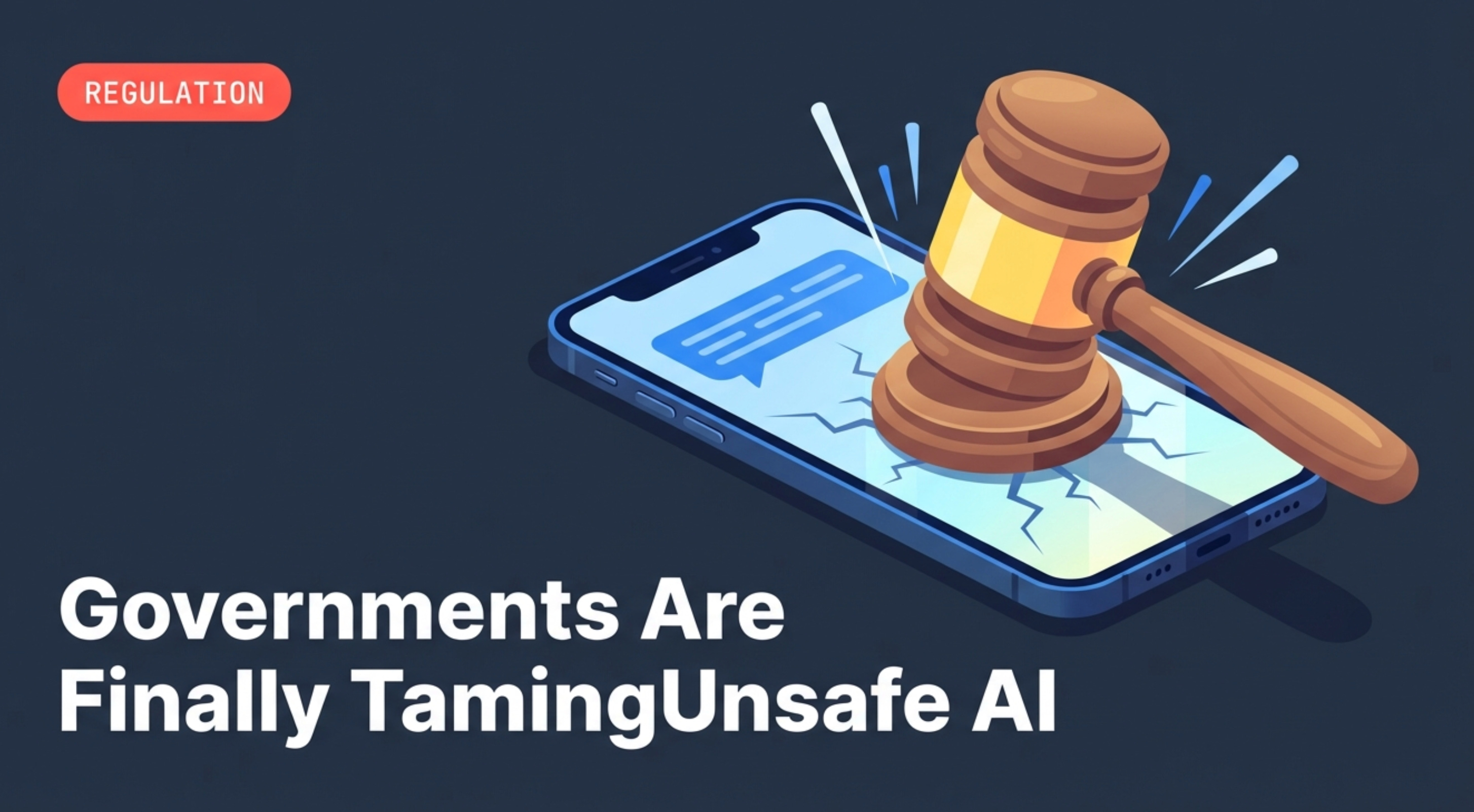
Ireland Opens Formal Investigation Into Grok Over Sexualized AI Images
What happened: Ireland’s Data Protection Commission — the lead EU regulator for X (formerly Twitter) — launched a formal investigation into Elon Musk’s Grok AI chatbot. The probe focuses on Grok generating sexualized images of real people, including children. This follows weeks of global outrage after Grok flooded X with AI-altered near-nude images. Despite X announcing curbs, Reuters found that Grok continued producing such images when prompted. The DPC can levy fines of up to 4% of X’s global revenue under GDPR.
Why it matters: This is now the EU, California, Malaysia, Indonesia, France, and the UK all investigating the same AI tool. If you’re wondering whether governments will actually regulate AI — they already are, and Grok is becoming the test case.
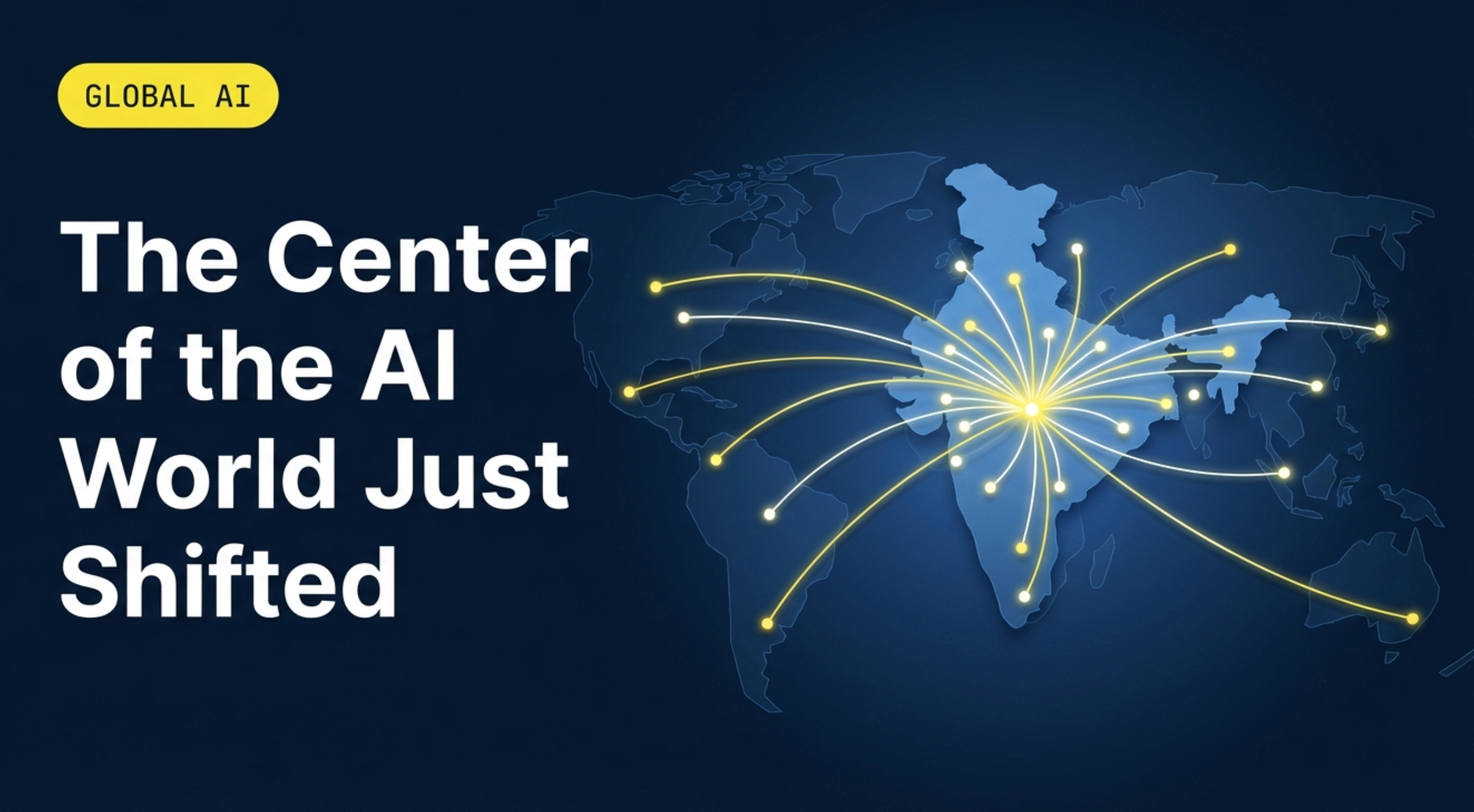
India Hosts Global AI Summit as Every Major AI Company Shows Up
What happened: India kicked off the AI Impact Summit in New Delhi this week — the first time this global event has been held in the developing world. OpenAI’s Sam Altman, Anthropic’s Dario Amodei, Google’s Sundar Pichai, and DeepMind’s Demis Hassabis are all attending. Google, Microsoft, and Amazon have already committed a combined $68 billion in AI and cloud infrastructure investment in India through 2030. India isn’t trying to build the next frontier AI model — instead, it’s betting on being the world leader in AI deployment and application.
Why it matters: India already has 72 million daily ChatGPT users — making it OpenAI’s largest market. When the world’s most populous country goes all-in on AI adoption, it shapes how these tools get built for everyone. The AI race isn’t just about who builds the smartest model — it’s about who puts it in the most hands.
Sources: Reuters • TechCrunch

ChatGPT Gets a “Lockdown Mode” for Security
What happened: OpenAI introduced Lockdown Mode for ChatGPT — an optional security setting that tightly restricts how ChatGPT interacts with external systems. In Lockdown Mode, web browsing is limited to cached content only (no live requests leave OpenAI’s network), and certain tools are disabled entirely. It’s designed to protect against prompt injection attacks — where someone tricks ChatGPT into leaking your sensitive information. Available now for ChatGPT Enterprise, Edu, Healthcare, an Teachers plans.
Why it matters: As more people connect ChatGPT to their email, files, and work tools, the security risks grow. Think of Lockdown Mode like a vault setting for people who handle sensitive data. Most of us won’t need it yet, but it’s a sign that AI security is becoming a real product category.
Quick Hits
Anthropic’s India revenue doubled in 4 months: CEO Dario Amodei revealed at a Builder Summit in Bengaluru that Anthropic’s revenue run-rate in India doubled since October, with India now the company’s second-largest market after the US. Claude Code adoption is driving the growth. (Reuters)
OpenAI’s new coding model runs 15x faster on non-Nvidia chips: GPT-5.3-Codex-Spark, running on Cerebras chips instead of Nvidia, delivers code at 1,000+ tokens per second. Available to ChatGPT Pro subscribers ($200/month) as a research preview. (Ars Technica)
Unity wants AI to build entire casual games from a single prompt: CEO Matthew Bromberg said “AI-driven authoring is our second major area of focus for 2026” and plans to reveal new prompting tools at GDC in March — despite developers being increasingly skeptical of generative AI. (The Verge)
That’s it for today. Hollywood is drawing lines on AI video, regulators are closing in on image generators, and India is quietly becoming the world’s biggest AI testing ground.
AI for Common Folks — Making AI understandable, one concept at a time.
Leave a Reply